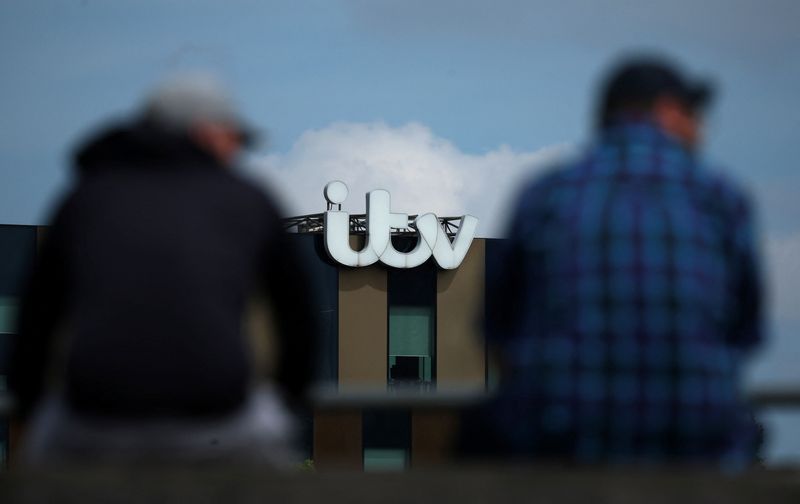
Comcast-owned Sky has announced plans to purchase the broadcast channels and streaming operations of ITV, Britain's most prominent commercial free-to-air broadcaster, in a transaction valued at £1.6 billion (USD $2.13 billion). The merger, confirmed on Monday and representing one of the most significant consolidations in British television history, aims to create a domestic powerhouse capable of rivalling international streaming platforms including Netflix, Amazon and Disney in an increasingly competitive media landscape.
Sky Chief Executive Dana Strong characterised the transaction as a defining watershed moment for the broadcasting sector. The deal now enters a regulatory review process that will determine whether such a combination—which would have faced formidable obstacles just years earlier—can win approval in the current political and regulatory environment. The British government has signalled a shift in priorities, instructing regulators to prioritise conditions supporting growth and investment, a stance that may favour consolidation plays like this one.
The financial architecture of the transaction reveals the mechanics of how Sky values ITV's assets. ITV shareholders will receive £1.2 billion in upfront cash compensation alongside a performance-based earn-out provision worth up to £200 million contingent on the company's advertising revenue performance during the 2027 financial year. The agreement also includes Love Productions, the production company behind the popular television format The Great British Bake Off, which will be integrated into the remaining ITV Studios production business.
Analysts have flagged a crucial regulatory hurdle: the combined entity would control more than 70 percent of the United Kingdom television advertising market. This substantial market share concentration may force Sky to divest third-party advertising sales contracts it currently manages for other broadcasters, such as the Paramount-owned Channel 5, to address potential monopoly concerns. The British culture and media regulator will likely scrutinise whether this concentration level permits effective competition and serves viewers' interests.
Culture Minister Lisa Nandy has signalled that the government is willing to engage constructively with major media consolidations but also prepared to intervene where necessary. Her recent comment about potentially blocking a separate Paramount-Warner transaction suggests policymakers will examine each deal on its merits rather than applying blanket resistance to sector consolidation. This pragmatic stance reflects recognition that traditional broadcasters face genuine competitive pressures from streaming platforms commanding enormous resources and global reach.
The traditional television industry's struggles provide important context for understanding this merger's rationale. Over the past five years, ITV's share price has declined 36 percent, reflecting persistent difficulties in the advertising market and audience migration away from conventional broadcast television toward digital platforms and YouTube. This erosion particularly affects younger demographics, with 16-to-24-year-olds increasingly consuming content through on-demand and social media channels rather than scheduled broadcasting. The combined Sky-ITV entity will reach over 20 million households across Britain, giving it scale to invest in competitive original programming while managing declining linear television revenues.
Under the transaction terms, ITV will transition from being a vertically integrated broadcaster into a specialised standalone production company. This structure allows ITV Studios to continue creating popular television series for the merged Sky-ITV platform, including formats like Love Island and the long-running soap Coronation Street, while simultaneously developing programming for external clients. Recent ITV Studios successes like Rivals for Disney and The Reluctant Traveller for Apple TV demonstrate the strength of its production capabilities and the viability of this standalone model.
The merged company has committed to substantial investment in content production, pledging a minimum expenditure of £2.1 billion across the 2028-2032 period. This spending commitment demonstrates Sky's determination to compete directly with streaming services in original content quality and volume. For Malaysian audiences and regional viewers, this investment signals that British programming—historically a significant cultural export—will likely remain competitive globally, with implications for international streaming services and regional broadcasters sourcing international content.
Sky itself has undergone significant ownership transitions that illuminate the broader consolidation narrative. Founded by media entrepreneur Rupert Murdoch in 1989, Sky remained associated with the Murdoch family for decades, with James Murdoch holding senior leadership positions. However, Comcast acquired Sky in 2018, bringing the British broadcaster under American corporate ownership. Comcast's recent announcement that it intends to separate its media assets, including Sky and NBCUniversal, from its cable operations reflects the profound strategic pressures created by streaming competition, with traditional cable and broadcast businesses now viewed as distinct entities requiring separate capital structures and operational strategies.
The transaction carries broader implications for Southeast Asia and Malaysia specifically. As global media companies consolidate to achieve scale and efficiency, regional broadcasters and streaming platforms must consider their competitive positioning. The deal demonstrates how traditional television operators worldwide are responding to streaming disruption through consolidation, a pattern relevant to regional players assessing their own strategic options. For Malaysian viewers and content producers, this reshaping of British television may affect content sourcing, programming format availability, and the broader competitive dynamics of regional media markets where British content remains valuable.
Regulatoryapproval represents the critical next step, with detailed scrutiny of the advertising market concentration likely. The current political environment appears more receptive to consolidation than historical precedent would suggest, but substantial conditions may attach to any approval. The outcome will signal to other media sectors and international companies whether British regulatory authorities are genuinely pivoting toward growth-prioritising frameworks or maintaining more traditional competition safeguards. The transaction will also demonstrate whether Culture Minister Lisa Nandy's signals about selective intervention represent genuine flexibility or political positioning.

