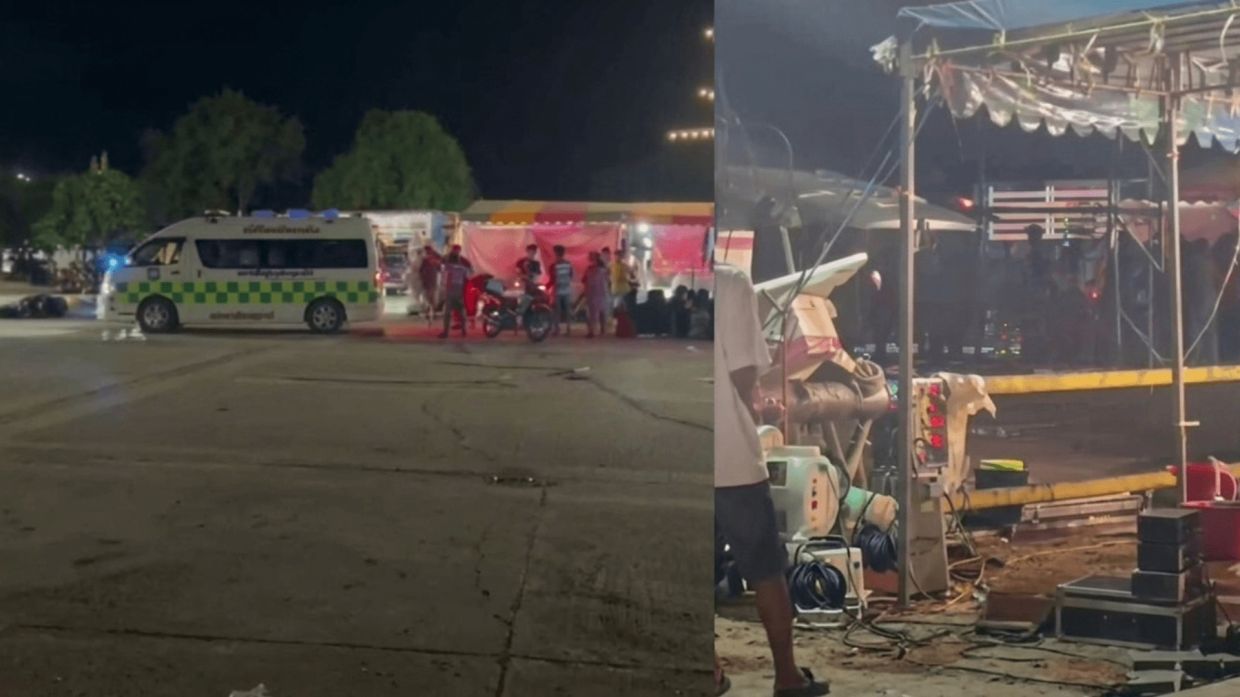
A late-night shooting at a popular shopping fair in Dan Khun Thot district, Nakhon Ratchasima province, has left six people injured, marking another violent incident in Thailand's troubling surge of gun violence. The attack unfolded around 10.30pm on Wednesday at the "Chim Shop Chai" fair as the event was drawing to a close and vendors began clearing their stalls. According to Prakob Patin, the fair's organiser, assailants wielded both bladed weapons and an improvised firearm during the assault on the gathered crowd of shoppers and merchants.
All six victims were initially transported to Luang Pho Koon Parisuttho Dan Khun Thot Hospital, though two sustained injuries severe enough to warrant transfer to the larger Maharat Nakhon Ratchasima Hospital. The situation remains grave for at least one patient, who continues to lie in a coma at the referral facility. Prakob detailed the chaotic final moments of the event, explaining how the violence erupted just as the fair was winding down, turning what should have been a routine evening into a harrowing scene.
Investigators moved swiftly to apprehend a 32-year-old male suspect, with Dan Khun Thot Police Station Deputy Investigation Inspector Pol Lt Col Akom Chutkhunthot leading the operation. Officers recovered a homemade firearm at the scene, which authorities have taken into custody as evidence. The arrested individual faces serious charges, though police investigations suggest this may not have been a random act of violence but rather a confrontation that spiralled dangerously out of control.
According to police findings, the suspect initially attempted to steal a motorcycle parked at the fair grounds. When the vehicle's owner confronted him about the theft attempt, tensions escalated. Rather than submitting to the owner's resistance, the suspect reportedly fled the scene only to return with armed accomplices, suggesting a degree of premeditation or at least a determination to pursue the confrontation regardless of consequences. The sudden reappearance with reinforcements armed with knives and firearms transformed what began as a petty property crime into a mass shooting incident.
The escalation pattern observed here reflects a concerning trend in Thailand's recent security challenges. Police have indicated that the primary suspect will face charges related to jointly attempting to commit murder using firearms, a serious felony that could carry substantial prison time if he is convicted. However, authorities acknowledge that the investigation remains incomplete, with efforts continuing to identify and locate the remaining accomplices who participated in the attack. This incomplete picture suggests the full extent of the plot may yet emerge as police piece together witness statements and forensic evidence.
What makes this incident particularly alarming for regional observers is its timing within a broader wave of shootings across Thailand. This attack represents the third significant shooting incident within just seven days, indicating a dangerous deterioration in public safety. The previous incidents include the August 7 mass shooting at Debsirin Nonthaburi School that claimed nine lives, and an alleged shooting targeting the Nonthaburi Provincial Administrative Organisation president by a former Thai legislator just days earlier. Such clustering of violent incidents typically triggers national concern about underlying causes, whether related to access to weapons, gang activity, or broader social tensions.
The use of homemade firearms in this and potentially other recent shootings raises questions about weapon availability and regulation enforcement in Thailand. Improvised firearms, often manufactured locally and difficult to trace, have become increasingly prevalent in violent crimes throughout Southeast Asia. The relative ease with which such weapons can be constructed suggests that conventional approaches to gun control may prove insufficient without addressing the supply chains and manufacturing networks that sustain the illegal arms trade. Malaysian security analysts have expressed concern about similar trends affecting the region's broader security landscape.
For Thai authorities, the immediate priority centres on apprehending the remaining suspects and understanding the full scope of the conspiracy. Investigators will likely focus on whether the accomplices were known associates of the primary suspect or whether they were recruited specifically for this retaliatory action. The circumstances suggest either an organised group willing to respond violently to perceived slights or a close-knit social network with established patterns of collective violence. Either scenario would warrant deeper examination of the social and environmental factors that encouraged such extreme responses.
The incident also reflects the vulnerability of public gathering spaces in Thailand and throughout Southeast Asia. Shopping fairs and night markets are vital community spaces and economic hubs, particularly in provincial areas where such events provide important entertainment and business opportunities. When violence erupts at these venues, the psychological impact extends far beyond the immediate victims, affecting public confidence in visiting such spaces and potentially damaging local economies that depend on foot traffic and consumer spending.
Thailand's government faces mounting pressure to address the apparent escalation in shooting incidents. Public security is a fundamental government responsibility, and three major shootings within a week inevitably provokes questions about whether adequate preventive measures exist or whether warning signs were missed. The incidents may also reflect deeper societal issues requiring longer-term solutions, from conflict resolution mechanisms to mental health services and economic opportunities that reduce desperation-driven crime.
For Malaysia and other Southeast Asian nations monitoring the situation, Thailand's current security challenges serve as a cautionary reminder of how quickly public safety can deteriorate when multiple risk factors converge. The region's interconnected borders, shared criminal networks, and similar socioeconomic pressures mean that what unfolds in one country often contains lessons and warnings for neighbours. Thai authorities' response to this clustering of incidents will likely influence how other regional governments prioritise their own security planning and resource allocation.

