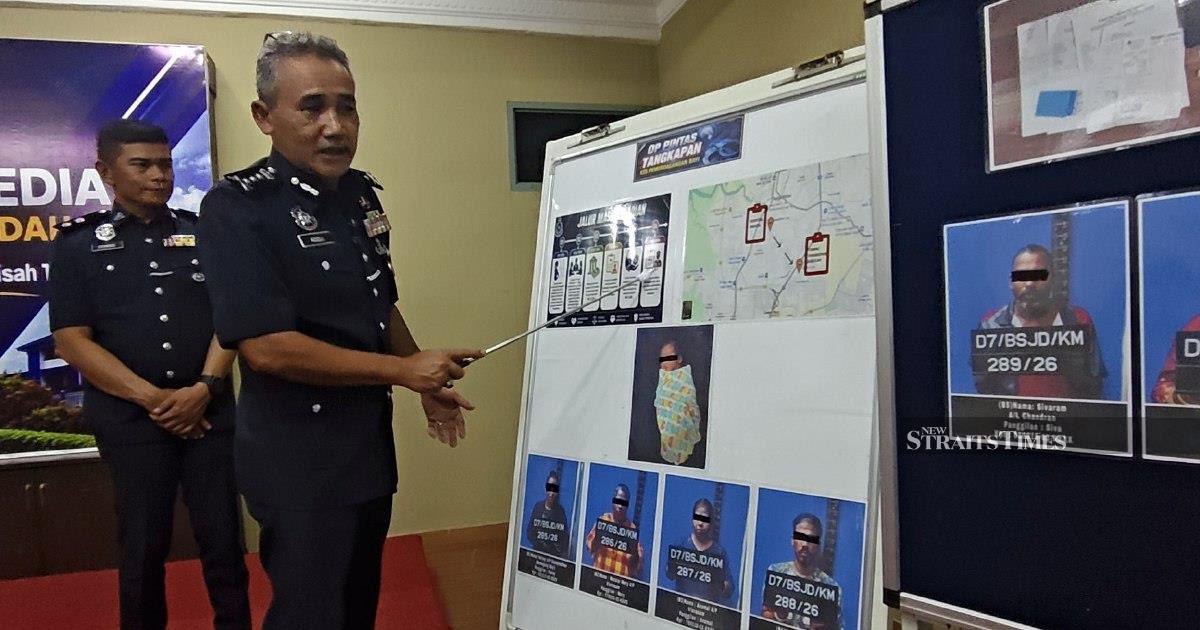
The Royal Malaysia Police have apprehended six individuals in Kuala Muda, Kedah, as part of an ongoing investigation into what officers suspect is an organised baby trafficking operation. The arrests mark a significant development in law enforcement efforts to combat human trafficking networks that exploit vulnerable populations, including newborns and their mothers, within the state.
Among those taken into custody is a mother who had given birth merely five days before her detention, highlighting the deeply disturbing circumstances surrounding the suspected operation. The involvement of a postpartum woman in the case raises troubling questions about the coercive mechanisms that may have been employed against vulnerable individuals in the immediate aftermath of childbirth, a period when women face heightened physical and psychological vulnerability.
The Kuala Muda district, situated in the northern state of Kedah, has become the focal point of this investigation into what authorities believe is a coordinated network engaged in illicit baby trafficking activities. The operation represents a grave breach of human rights and demonstrates the sophisticated means by which criminal syndicates exploit the desperation of impoverished families and the emotional vulnerabilities surrounding parenthood and infant care.
Baby trafficking represents one of the most insidious forms of human trafficking, involving the illegal movement, sale, or exploitation of infants typically from impoverished communities to wealthy families seeking to circumvent formal adoption channels. Such networks often prey upon economically disadvantaged mothers through false promises of financial support, medical care, or improved living conditions for their children, only to redirect infants toward illegal adoptions, commercial exploitation, or trafficking for undetermined purposes.
The timing of the mother's arrest—occurring so shortly after childbirth—suggests law enforcement may have intervened during the active phase of the suspected trafficking arrangement. This proximity to birth indicates that police intelligence and informants may have successfully provided advance warning of the arrangement, allowing officers to intercept the network before transactions could be completed or infants transferred to other locations.
Malaysia has long faced challenges in combating human trafficking despite being a signatory to international conventions on the matter. The country remains designated as a Tier 2 jurisdiction in global human trafficking indices, indicating that while efforts are being made to address the problem, the scale of trafficking remains significant. Organised networks engaged in baby trafficking represent a particularly difficult enforcement challenge, as such operations often involve multiple actors across different regions and countries, utilising sophisticated methods to conceal transactions and obscure the origins and destinations of trafficked infants.
The investigation into the Kuala Muda network underscores the vulnerability of women in economically precarious circumstances who may be targeted by traffickers during periods of physical and emotional vulnerability. New mothers facing financial hardship, limited access to healthcare, or uncertain family support systems become prime targets for recruitment into trafficking schemes. Traffickers exploit maternal instincts and financial desperation by presenting scenarios where surrendering an infant allegedly results in better care and opportunities for the child, when in reality the infant is being exploited for profit.
The detection and dismantling of such operations depend heavily upon cooperation between multiple law enforcement agencies, intelligence networks, and international partners. The involvement of six individuals suggests a structured operation with differentiated roles, possibly including recruiters targeting vulnerable mothers, intermediaries facilitating transactions, and facilitators arranging placement or transport of infants. Understanding the precise roles and connections among the arrested individuals will be crucial for prosecutors building cases and for preventing similar operations from reconstituting elsewhere in the region.
For Malaysian policymakers and law enforcement agencies, the Kuala Muda case illustrates persistent vulnerabilities within systems designed to protect infants and mothers. Strengthening community awareness about trafficking tactics, improving economic support for disadvantaged pregnant women and new mothers, and enhancing coordination between healthcare facilities and law enforcement could significantly impede traffickers' ability to operate with impunity. Additionally, prosecuting those engaged in baby trafficking requires meeting stringent evidentiary standards while navigating complex legal jurisdictions involving multiple locations and potentially cross-border elements.
The case also highlights broader Southeast Asian dimensions of baby trafficking, as networks often utilise porous regional borders and varying enforcement capacities to move infants across jurisdictions. Collaboration between Malaysian authorities and counterparts in neighbouring countries such as Thailand and Indonesia becomes increasingly important as organised syndicates capitalise on regulatory inconsistencies and communication gaps between nations. Regional intelligence sharing and harmonised legal frameworks for prosecuting trafficking offences remain underdeveloped despite the clear cross-border nature of such networks.
For families affected by infertility or those seeking parenthood through non-traditional means, legitimate adoption channels regulated by the government and international organisations provide legal protections for both parents and children. The criminal consequences of engaging with unregulated baby trafficking networks include lengthy imprisonment and significant financial penalties, in addition to the moral dimensions of supporting exploitation of infants and vulnerable mothers.

