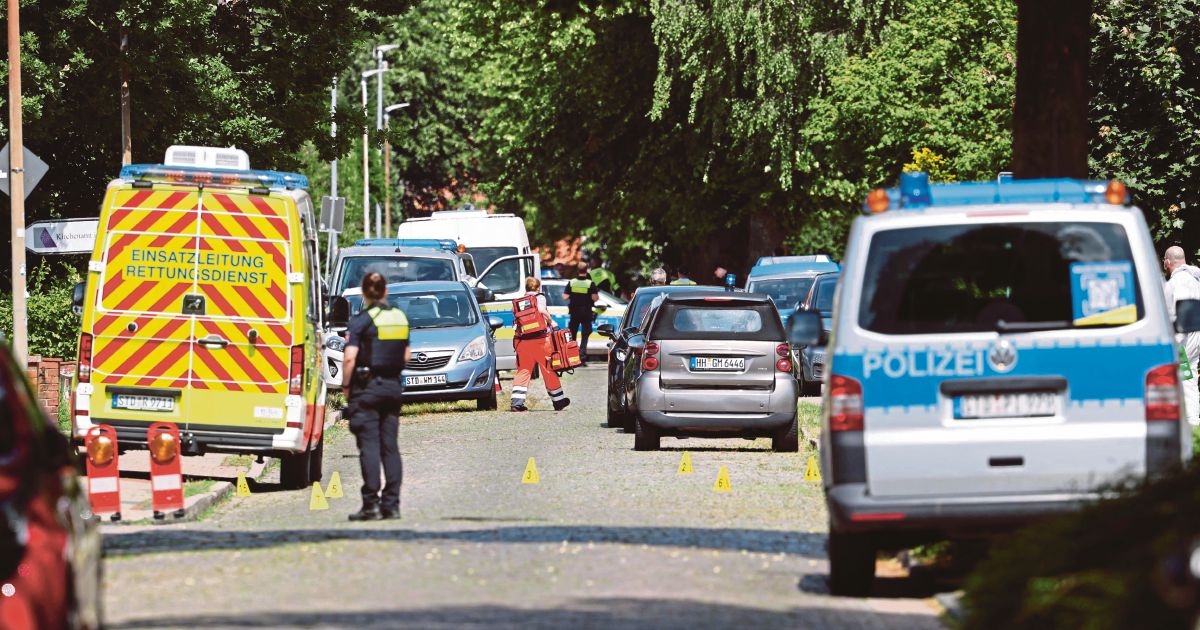
A shooting incident in Germany on Monday left six people dead at a youth welfare centre that provides support services to mothers and their children, prompting a swift police response that ended with the detention of two individuals. Authorities characterised the attack as likely rooted in domestic circumstances rather than wider criminal or ideological motives, describing it as a "family tragedy" based on preliminary findings at the scene.
The facility targeted in the incident serves a vulnerable population, offering care and assistance to mothers alongside childcare provisions. Such centres operate across Germany as part of the social welfare infrastructure designed to support families navigating personal crises or requiring short-term residential care. The nature of the facility underscores the deeply personal context authorities believe underpinned the violence, setting it apart from random or mass shooting scenarios that sometimes capture international attention.
Police moved rapidly to contain the situation and secure the premises following reports of gunfire. The swift law enforcement intervention culminated in the apprehension of a male suspect directly connected to the incident, along with a female companion whose precise relationship to events remains part of the ongoing investigation. The arrest of both individuals suggests the perpetrator did not attempt to flee the scene or evade capture, a detail that aligns with investigative conclusions pointing toward a situation rooted in specific personal grievances rather than indiscriminate violence.
Germany, despite its comparatively strict firearms regulations relative to many Western nations, has experienced periodic incidents of gun violence, though such occurrences remain statistically rare compared to countries with more permissive weapons laws. Mass shooting incidents in the country have historically prompted intense scrutiny of security protocols and mental health support systems. This incident joins a concerning pattern of violence within settings intended to provide safety and care, raising questions about security measures at facilities housing vulnerable populations including children.
The classification of the shooting as a "family tragedy" carries significant implications for how authorities will investigate and prosecute the case. Rather than pursuing terrorism-related charges or hate crime statutes, investigators are likely to focus on domestic violence dynamics, potential custody disputes, or interpersonal conflicts that escalated to lethal violence. Such characterisations shape both the legal framework applied and the broader social conversation around prevention and intervention.
For Southeast Asian observers, the incident reflects challenges familiar across developed economies: the coexistence of relatively controlled legal firearm ownership with the unpredictability of human violence, particularly within intimate or family contexts. Malaysia and other regional nations maintain stricter gun regulations, yet domestic violence remains an ongoing concern within social services and law enforcement portfolios. The incident serves as a reminder that institutional settings serving families require robust safety protocols and staff training to identify and respond to escalating tensions.
The welfare centre itself will likely face heightened security reviews in the aftermath. German authorities typically conduct comprehensive audits of facility vulnerabilities following such incidents, examining entry control, emergency response procedures, and staff capacity to recognise warning signs of potential violence. These reviews often inform broader policy adjustments across the social care sector, though balancing security measures against maintaining an open, welcoming environment for vulnerable families presents ongoing tensions in institutional design.
The presence of children at the facility during the incident introduces additional tragic dimensions. Witnesses to such violence frequently experience lasting psychological consequences, necessitating coordinated psychological support services. German authorities typically activate trauma counselling protocols for survivors and first responders, recognising that the immediate response to violence extends beyond law enforcement into mental health and victim support frameworks.
Investigators will scrutinise the relationship between the suspect, the female companion, and victims to establish motive and sequence of events. Whether the violence stemmed from a custody dispute, unresolved intimate partnership tensions, or escalated interpersonal conflict will shape both the criminal investigation and public understanding of prevention possibilities. Preliminary police assessments suggesting a domestic context suggest that investigators have identified connections between the perpetrator and at least some victims.
The incident underscores vulnerabilities within spaces designed to protect and nurture vulnerable families. Mothers seeking assistance at welfare centres often present heightened risk profiles, potentially including histories of domestic violence, substance dependency, or mental health challenges. Staff working within such environments navigate complex safeguarding responsibilities while maintaining therapeutic, non-punitive atmospheres. The tragedy raises difficult questions about whether additional security measures could enhance protection without fundamentally altering the supportive character these institutions are meant to embody.
Germany's social welfare system, regarded internationally as comprehensive and well-resourced, nonetheless faces questions about identifying and intervening in situations where individuals present escalating danger. The incident will likely prompt renewed discussions about threat assessment protocols, inter-agency information-sharing, and early intervention mechanisms designed to prevent family violence from reaching lethal conclusions. How policymakers balance privacy protections with proactive risk identification remains contentious across liberal democracies grappling with similar challenges.

