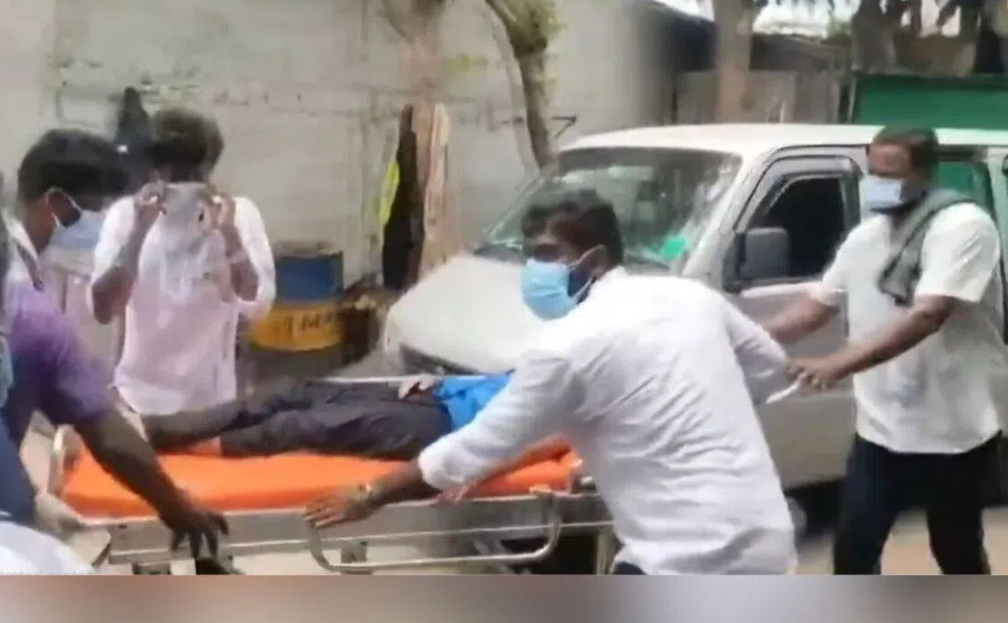
An industrial accident at a seafood processing facility near Periyapalayam village in Tamil Nadu's Thiruvallur district has claimed the lives of at least six workers following a suspected ammonia gas leak on Sunday, 21 June. The tragedy has drawn attention to workplace safety practices at food export units across India, particularly those employing migrant labour across the country's unorganised sector.
The incident unfolded when approximately 120 migrant workers, predominantly women from states including Assam, Odisha and Jharkhand, were present at the seafood export processing unit. Officials believe the ammonia release originated within the facility's refrigeration or processing equipment before dispersing rapidly throughout the complex. The scale and speed of the leak created an immediate health emergency for workers who had minimal time to evacuate safely.
Exposure to the escaped ammonia vapours triggered acute physiological reactions among those caught in the vicinity. Workers reported intense breathing difficulties accompanied by dizziness and chemical irritation affecting their respiratory and sensory systems. Medical officials documented alarming symptoms including mouth and nasal bleeding among some victims, a sign indicating the severity and concentration of gas exposure. The combination of symptoms suggested workers inhaled dangerous quantities of ammonia, a corrosive gas commonly used in industrial refrigeration systems.
The workplace descended into chaos as employees attempted to flee to safety. Some workers collapsed before reaching exits, rendered unconscious or incapacitated by the fumes. Panic spread through the facility as others rushed outward, many without clear understanding of the hazard they faced or where to seek shelter. The absence of apparent emergency drills or clear evacuation procedures became evident as the response evolved.
Emergency response teams, police personnel and local authorities mobilised quickly upon receiving distress calls. Rescue operations commenced immediately, with priority given to locating and extracting unconscious or severely affected workers. Ambulances transported the injured to neighbouring hospitals where emergency departments activated mass casualty protocols. Several victims remain in critical condition as medical staff work to address respiratory damage and other injuries sustained from chemical exposure.
Tamil Nadu Chief Minister C. Joseph Vijay has expressed serious concern regarding the incident and intervened directly in the official response. He has mandated that state authorities provide comprehensive medical support to all affected workers without delay. The chief minister's office also initiated a formal probe into the disaster by constituting a three-member inquiry committee tasked with determining the root causes of the ammonia leak.
The investigation committee faces strict timelines and broad responsibilities. Officials have been directed to conduct thorough inspections of the facility while compiling a detailed report within 24 hours of establishment. The inquiry will examine the adequacy of safety protocols currently in place at the seafood processing unit, assess the quality and frequency of maintenance procedures for refrigeration systems, and identify any regulatory oversights or procedural lapses that may have contributed to the catastrophic failure.
Police have formally registered a case related to the incident, with investigative agencies examining potential violations of industrial safety regulations and occupational health standards. The investigation will determine whether the facility complied with mandatory safety certification requirements, whether workers received proper training on hazardous chemical exposure, and whether emergency response equipment was adequately maintained and accessible. Such inspections often reveal systemic gaps in compliance common across India's food processing sector.
This tragedy underscores persistent challenges in protecting migrant workers employed in India's export-oriented food industries. Many such facilities operate in states with relatively high concentrations of migrant labour who may be unfamiliar with workplace hazards, lack formal safety training, and work without strong institutional representation. The composition of the workforce at this facility, drawn primarily from eastern Indian states, reflects a national pattern whereby processing units in southern industrial zones recruit workers from poorer regions willing to accept lower wages and minimal benefits.
The incident carries significant implications for Malaysia and Southeast Asia's own food processing industries, which employ similar migrant workforce demographics. Regional food processors handling ammonia-based refrigeration systems face comparable risks, particularly in facilities processing seafood for export markets. The Thiruvallur disaster provides a cautionary case study regarding insufficient investment in safety infrastructure, inadequate worker orientation programmes and weak regulatory oversight that can exist across the food manufacturing sector in developing economies.
Industrial chemical accidents in food processing remain a recurring concern across South and Southeast Asia, often resulting from deferred maintenance, equipment degradation and insufficient emergency preparedness. Investigations into such incidents typically reveal that cost-cutting measures prioritise production efficiency over equipment replacement and preventive maintenance. The upcoming inquiry into this Tamil Nadu facility will likely identify similar pressures and institutional failures that enabled this hazardous condition to develop undetected.
For migrant workers throughout the region, this tragedy reinforces vulnerability within supply chains that produce affordable protein for global markets. These workers, often lacking recourse to robust labour protections or immediate family advocacy networks, bear disproportionate risk from industrial hazards. Their compensation and rehabilitation following workplace disasters frequently remains inadequate, with many victims facing permanent disability without sufficient institutional support or legal remedies.
%22%2F%3E%3C%2Fpattern%3E%3C%2Fdefs%3E%3Crect%20width%3D%22100%25%22%20height%3D%22100%25%22%20fill%3D%22url(%23ph4l4d9g)%22%2F%3E%3Crect%20width%3D%22100%25%22%20height%3D%22100%25%22%20fill%3D%22url(%23ph4l4d9p)%22%2F%3E%3Ctext%20x%3D%2250%25%22%20y%3D%2250%25%22%20text-anchor%3D%22middle%22%20dominant-baseline%3D%22central%22%20fill%3D%22rgba(255%2C255%2C255%2C0.95)%22%20font-family%3D%22Georgia%2C%20'Times%20New%20Roman'%2C%20serif%22%20font-weight%3D%22700%22%20font-size%3D%22170%22%20letter-spacing%3D%22-0.02em%22%3EBREAKING%3C%2Ftext%3E%3C%2Fsvg%3E)
%22%2F%3E%3C%2Fpattern%3E%3C%2Fdefs%3E%3Crect%20width%3D%22100%25%22%20height%3D%22100%25%22%20fill%3D%22url(%23ph4jm8ag)%22%2F%3E%3Crect%20width%3D%22100%25%22%20height%3D%22100%25%22%20fill%3D%22url(%23ph4jm8ap)%22%2F%3E%3Ctext%20x%3D%2250%25%22%20y%3D%2250%25%22%20text-anchor%3D%22middle%22%20dominant-baseline%3D%22central%22%20fill%3D%22rgba(255%2C255%2C255%2C0.95)%22%20font-family%3D%22Georgia%2C%20'Times%20New%20Roman'%2C%20serif%22%20font-weight%3D%22700%22%20font-size%3D%22320%22%20letter-spacing%3D%22-0.02em%22%3ELIVE%3C%2Ftext%3E%3C%2Fsvg%3E)
%22%2F%3E%3C%2Fpattern%3E%3C%2Fdefs%3E%3Crect%20width%3D%22100%25%22%20height%3D%22100%25%22%20fill%3D%22url(%23phgiwg)%22%2F%3E%3Crect%20width%3D%22100%25%22%20height%3D%22100%25%22%20fill%3D%22url(%23phgiwp)%22%2F%3E%3Ctext%20x%3D%2250%25%22%20y%3D%2250%25%22%20text-anchor%3D%22middle%22%20dominant-baseline%3D%22central%22%20fill%3D%22rgba(255%2C255%2C255%2C0.95)%22%20font-family%3D%22Georgia%2C%20'Times%20New%20Roman'%2C%20serif%22%20font-weight%3D%22700%22%20font-size%3D%22170%22%20letter-spacing%3D%22-0.02em%22%3EMalaysia%3C%2Ftext%3E%3C%2Fsvg%3E)