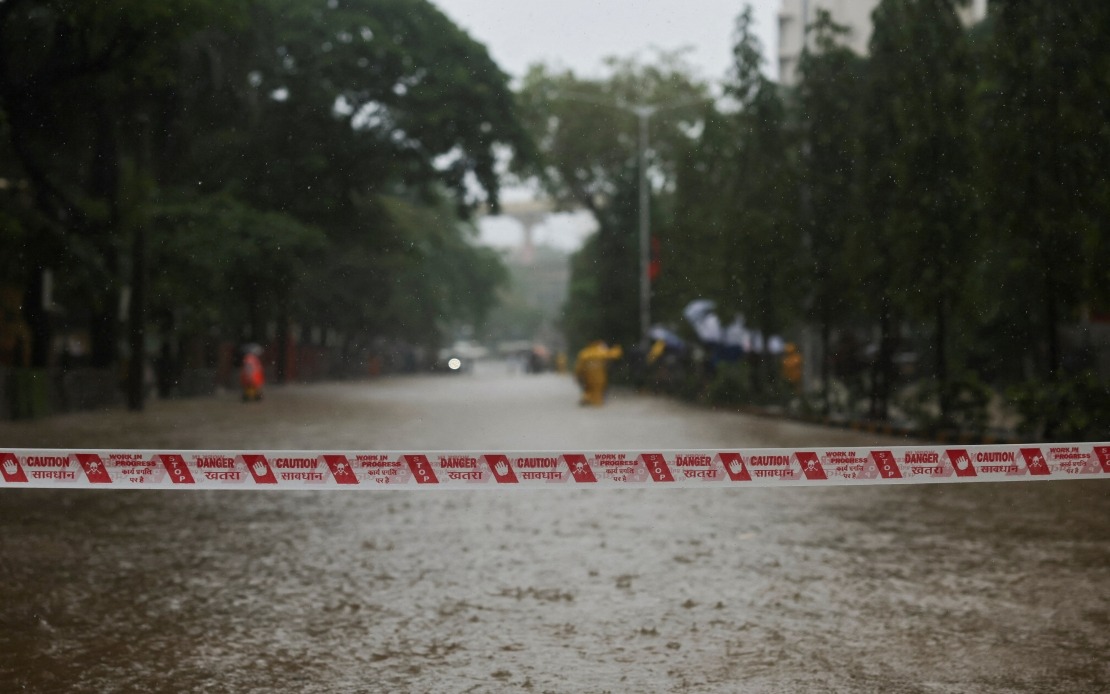
A catastrophic building collapse in Mumbai's Mankhurd area has claimed six lives and left one person injured, exposing the dangers faced by residents in India's financial capital during the annual monsoon season. The tragedy unfolded on Sunday as intense rainfall and wind gusts overwhelmed the structural integrity of the multi-storey residential structure, highlighting persistent concerns about construction quality and building safety standards in one of Asia's largest metropolitan centres.
State Minister Girish Mahajan, a senior figure within Maharashtra's BJP leadership, confirmed the fatalities to journalists and indicated that a formal investigation would examine how the building was originally constructed. His statement suggests official recognition that the collapse may not have been merely an act of nature but potentially the result of substandard construction practices or inadequate maintenance. Such inquiries are routine following structural failures, though they often reveal systemic gaps in enforcement of building codes across Indian cities where rapid urban development has sometimes outpaced rigorous safety protocols.
The collapse occurred amid widespread disruption caused by the seasonal weather system affecting western India. Mumbai's primary aviation hub, Chhatrapati Shivaji Maharaj International Airport, experienced temporary operational shutdowns as strong winds and heavy precipitation created hazardous conditions for aircraft movements. These interruptions, while brief, underscore how severe monsoon weather can paralyse critical infrastructure across the metropolitan region.
In response to the hazardous conditions, local authorities took a protective measure by declaring a holiday for all educational institutions throughout the affected areas. This decision prioritised student safety over regular academic schedules, reflecting the severity of weather conditions that made commuting and classroom attendance unduly risky. Such administrative measures are common during extreme weather events across Indian cities, though they highlight the vulnerability of urban populations during monsoon season.
The monsoon phenomenon that triggered Sunday's disaster is a defining seasonal characteristic of the Indian subcontinent. These rains typically commence in June as moisture-laden winds from the Arabian Sea strike the Western Ghats and coastal regions, advancing progressively across the country until September. The seasonal pattern is crucial for agricultural output and groundwater replenishment, yet it simultaneously poses serious risks to urban infrastructure, particularly in densely populated cities like Mumbai where ageing buildings and overcrowded settlements create hazardous conditions.
Mumbai's vulnerability to monsoon-related disasters stems from multiple intersecting factors. The city's geography places it directly in the path of the summer monsoon system, exposing it to some of India's heaviest seasonal rainfall. Simultaneously, decades of rapid urbanisation have created a patchwork of residential buildings of varying construction quality, from modern high-rises to older structures built to outdated standards. Many older buildings in congested neighbourhoods lack regular maintenance or structural reinforcement, making them susceptible to failure when subjected to heavy rainfall and wind stress.
The Mankhurd locality, where this particular collapse occurred, typifies the urban challenges facing Mumbai. As a densely populated residential area serving working-class and lower-middle-class families, the neighbourhood contains numerous older buildings constructed decades ago when building regulations were less stringent. The area has experienced similar structural failures during previous monsoon seasons, suggesting a pattern of vulnerability that warrants systematic attention from municipal authorities and building safety regulators.
For Malaysian and Southeast Asian observers, the Mumbai tragedy carries important lessons about urban development planning and infrastructure resilience. Many rapidly growing cities across the region face comparable pressures from monsoon weather systems combined with hasty construction practices. The collapse illustrates how climate-related hazards interact dangerously with poor building standards and inadequate oversight to create preventable disasters. As climate patterns intensify in the region, such incidents may become more frequent unless governments prioritise retrofitting vulnerable structures and enforcing stricter construction standards.
The incident also underscores the disparity in disaster vulnerability between wealthy and economically disadvantaged urban residents. Wealthier areas typically feature newer buildings constructed to higher specifications with proper maintenance, while lower-income neighbourhoods concentrate older, more fragile structures. This pattern means that poor and working-class residents disproportionately bear the human costs of natural disasters when combined with structural inadequacy. Equitable urban development requires that safety standards and maintenance resources be deployed based on vulnerability assessments rather than market-driven development priorities.
Municipal authorities in Mumbai and similar Indian cities will need to balance ongoing development pressures with systematic safety audits of existing structures. The forthcoming investigation into Sunday's collapse will likely identify specific construction failures, but broader systemic reform is necessary to prevent recurrence. This includes establishing mandatory structural inspections for older buildings, enforcing building codes with meaningful penalties for violations, and ensuring that vulnerable populations have access to safe housing alternatives.
The tragedy serves as a stark reminder that natural hazards like monsoon rains, while inevitable, need not prove fatal when combined with adequate building standards and enforcement mechanisms. The challenge for city administrators across South and Southeast Asia lies in implementing these protections while accommodating rapid urbanisation and economic constraints that often leave safety considerations subordinated to development goals.

