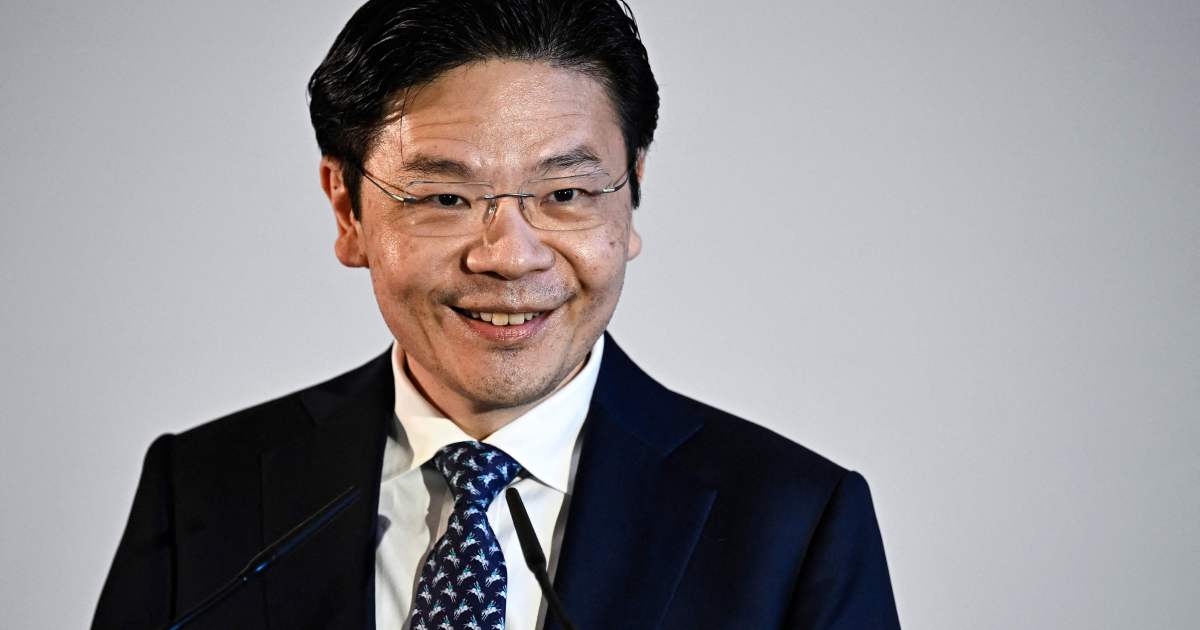
Singapore Prime Minister Lawrence Wong has unveiled a significant restructuring of his cabinet and announced new political appointments, marking a pivotal moment in the nation's ongoing leadership transition. The announcement, made on Wednesday, represents Wong's most substantial reorganisation of the executive since assuming office and reflects the government's determination to refresh its senior ranks following several high-profile resignations among established political figures.
The reshuffle comes at a critical juncture for Singapore's governance, as the country navigates evolving domestic and regional challenges while maintaining its position as one of Asia's most developed economies. Wong's decision to comprehensively reshape the cabinet signals his intention to establish a distinct leadership identity and inject new energy into policy formulation across multiple government sectors. The timing also demonstrates the administration's responsiveness to recent departures that have created vacancies within the political hierarchy.
Singapore's system of government depends heavily on the calibre and cohesion of its cabinet, which serves not only as the executive decision-making body but also as a representation of the ruling People's Action Party's bench strength to the electorate. The appointments announced on Wednesday therefore carry symbolic weight beyond their immediate administrative implications, communicating to both domestic constituencies and the international community the government's confidence in its successor generation of leaders. Wong's willingness to make bold personnel decisions early in his tenure suggests confidence in his ability to forge consensus within his administration.
The reshuffle appears designed to balance continuity with renewal, a delicate equation that Singapore's political leadership has long considered essential for stable governance. By retaining experienced hands while elevating newer voices, Wong is attempting to preserve institutional knowledge and administrative effectiveness whilst simultaneously demonstrating that advancement opportunities exist for talented officials outside the traditional power circles. This approach aligns with Singapore's broader emphasis on meritocratic governance and the systematic development of political talent.
For the region, Singapore's internal political transitions carry particular significance given the city-state's role as an economic and diplomatic anchor in Southeast Asia. Any perception of governance instability or leadership uncertainty could potentially reverberate through trade relationships and regional security arrangements. Wong's decisive action in announcing these changes comprehensively rather than through incremental adjustments therefore serves a reassurance function, signalling that Singapore's government remains firmly in control and capable of functioning effectively despite personnel changes.
The resignations that precipitated this reshuffle have dominated Singapore's political discourse in recent months, with media coverage and public commentary reflecting broader questions about the pace of generational transition within the People's Action Party. Wong's response through this cabinet overhaul demonstrates his determination to move beyond any sense of drift or uncertainty that the departures may have created. The appointments provide an opportunity for the administration to reframe the narrative around these resignations, transforming them from perceived losses into catalysts for positive organisational renewal.
Malaysian observers of Singapore's political developments will note the professionalism with which the city-state manages leadership transitions, even when prompted by unexpected resignations. The contrast with occasional leadership upheavals in neighbouring countries underscores Singapore's institutional stability and the strength of its civil service frameworks, which ensure governmental continuity regardless of ministerial changes. For Malaysia and other Southeast Asian nations, Singapore's approach offers instructive examples of how structured succession planning can mitigate disruption during periods of political change.
The new appointees will face expectations to demonstrate competence and commitment to Singapore's core policy objectives, including economic growth, infrastructure development, and regional diplomacy. Wong's selections implicitly reflect his assessment of which officials possess the capability and vision required to navigate Singapore's evolving challenges, from managing trade tensions and technological disruption to addressing healthcare costs and climate change. The cabinet therefore serves as a window into the prime minister's strategic priorities and his understanding of which portfolios warrant priority attention during his term.
Within the broader context of Asian governance, Singapore's cabinet reshuffle demonstrates the continued vitality of the meritocratic principle that has long underpinned the nation's political system. Unlike some neighbours where patronage networks and factional loyalties significantly influence appointments, Singapore's leadership selections are generally perceived as reflecting assessed capability and potential. This reputation for fairness in advancement, though occasionally tested, remains a cornerstone of the system's legitimacy and the People's Action Party's continued dominance.
The reshuffle also provides Wong with an opportunity to establish his administration's distinctive policy direction. Previous prime ministers have used early cabinet changes to signal shifts in emphasis, whether toward greater economic liberalisation, enhanced social spending, or adjusted foreign policy approaches. The portfolios assigned to new appointees and the areas where experienced figures have been retained will offer important clues about Wong's intended governing philosophy and which constituencies or policy domains he considers most crucial to his administration's success.
For international investors and corporations operating in Singapore, the cabinet reshuffle requires attention primarily insofar as it might signal changes in regulatory direction or policy priorities affecting their operations. Singapore's track record of policy continuity and administrative professionalism regardless of ministerial changes typically mitigates concerns about investment climate stability following leadership transitions. However, monitoring which officials now hold responsibility for finance, trade, and investment portfolios provides useful intelligence for long-term business planning in the city-state.

