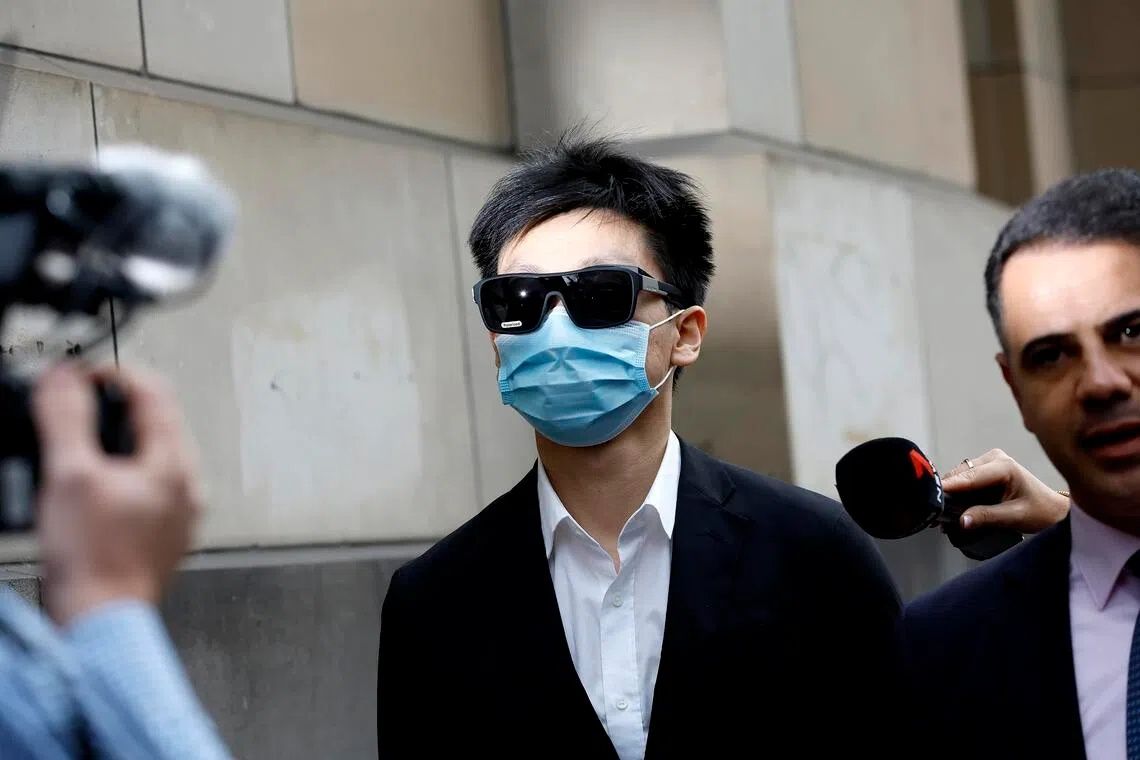
Ryan Cho, a 28-year-old trainee doctor from Singapore, entered guilty pleas on Thursday to 13 charges relating to the secret filming of hundreds of colleagues in bathrooms and shower facilities at three major Melbourne hospitals. The case, which has drawn considerable attention in Australia and overseas, reveals the extent of workplace violations within healthcare institutions and raises significant questions about security protocols in sensitive environments across the region.
Choho appeared at the Melbourne Magistrates Court to formally admit guilt to charges including stalking, installing recording devices to capture private images, and producing intimate material. His medical registration with Australian health regulators has already been suspended following the discovery of his activities. The relatively swift guilty plea suggests acknowledgment of overwhelming evidence, though it also deprives victims of the opportunity to present testimony at a full trial.
During their investigation, Victorian police conducted searches at Cho's residence and recovered an extensive collection of electronic devices, including laptops, hard drives, and mobile phones. The scale of the collection was staggering: authorities uncovered more than 10,000 video and image files documenting his offences. The victims numbered in excess of 500, meaning Cho systematically targeted colleagues across multiple years and locations without detection until his eventual arrest.
Cho worked at the Austin Hospital, Royal Melbourne Hospital, and the Peter MacCallum Cancer Centre between 2021 and 2025, having studied medicine at Monash University. His position as a trainee doctor provided him with legitimate access to these facilities and the trust of his colleagues, which he systematically abused. The timing of his arrival in Australia is significant: Cho had lived in the country since 2017 and was granted permanent residency in April 2025, just months before his arrest in July of that year. This timeline suggests his predatory behaviour may have extended throughout much of his medical training.
Magistrate Michelle Mykytowycz heard submissions from both prosecution and defence on combining the initial 910 charges into 13 consolidated counts, a legal procedure that streamlines proceedings without diminishing the severity of the conduct. During the brief hearing, lasting under 30 minutes, Cho stood before the court and entered guilty pleas to all charges. The magistrate acknowledged victims present in the courtroom and those observing via video link, recognising the profound impact of the proceedings on those affected.
Choho's arrest occurred after staff at Austin Hospital discovered a mobile phone concealed in a mesh bag within a staff toilet, actively recording. This discovery proved to be the critical breakthrough in an investigation that would eventually reveal the extent of his systematic violations. The 4,500 videos found on his devices represented only a portion of the total collection, with thousands of additional still images documenting his crimes across multiple locations and time periods.
The bail conditions imposed on Cho are stringent, reflecting both the severity of his conduct and concerns about potential re-offence. He is required to report to police three times weekly, maintain no contact with witnesses, and avoid hospitals except in genuine emergencies with prior police approval. Critically, he has been prohibited from accessing photographic or video recording devices outside his residence, effectively attempting to eliminate his capacity to continue similar behaviour. His passport has been surrendered, and a A$50,000 surety provided by his parents ensures his compliance with conditions.
Cho's father, Wilson Cho, a logistics manager based in Singapore, attended the proceedings and has stated he had no knowledge of his son's alleged activities prior to the charges. The family has committed to having one or both parents relocate to Melbourne during the legal proceedings to ensure their son's compliance with strict bail conditions. This suggests both a recognition of the gravity of the situation and an attempt at family intervention during what will undoubtedly be an extensive legal process.
Cho's barrister, Julian McMahon, previously described his client as a "complicated young professional man" exhibiting what would almost certainly be recognised as "complex psychological issues." This characterisation, while not excusing the conduct, may play a role in the pre-sentence hearing scheduled for November 23, which will span three days and include impact statements from victims. The lack of prior criminal record provides limited mitigation given the systematic and deliberate nature of these offences.
Beyond the criminal proceedings, the case has prompted broader accountability mechanisms. Approximately 100 victims, predominantly women, have lodged formal complaints with the Australian Human Rights Commission alleging sexual harassment and discrimination in the workplace at the three affected hospitals. Tony Carbone, managing partner at Carbone Lawyers, has indicated that additional hospital employees are expected to join litigation against the institutions, arguing they failed in their duty of care to protect staff from sexual harassment within their workplaces.
The implications for healthcare institutions across Australia and Southeast Asia are substantial. The case exposes vulnerabilities in workplace security and staff welfare protocols, particularly in sensitive areas such as bathrooms and change facilities. For Malaysian healthcare providers and professional bodies, the incident serves as a cautionary example of how institutional procedures may require strengthening to prevent similar violations. The breach of professional trust by a medical trainee also raises questions about vetting processes and the ongoing monitoring of medical professionals' conduct during their training period.
Singapore, as the source country for this individual, may also face scrutiny regarding its contribution to professional integrity frameworks and the adequacy of references or background checks provided when its medical graduates undertake overseas training. The case demonstrates that international medical mobility, while beneficial for professional development, requires robust oversight mechanisms to protect vulnerable populations in host institutions. The upcoming pre-sentence hearing in November will provide further detail on the motivations underlying this systematic conduct and may inform policy discussions across healthcare systems in the region.

