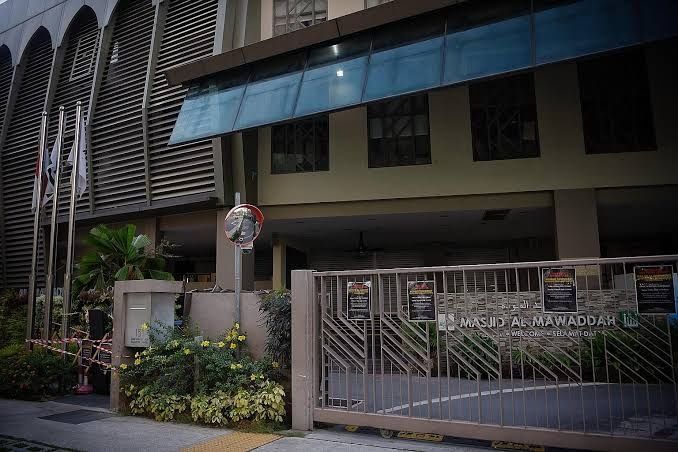
A senior finance executive working at Al-Mawaddah Mosque in the Compassvale Bow area of Sengkang, Singapore, faces serious allegations of having taken more than S$14,000 from donation boxes at the place of worship. Mohamed Muhaimin Mohamed Sulaiman, 42, was formally charged on August 12 with a single count of criminal breach of trust, marking a significant breach of the financial responsibilities entrusted to him at the mosque.
The alleged thefts did not occur in isolation but rather took place over a period of approximately three and a half months. According to the charges, Muhaimin is accused of committing the offence on at least 15 separate occasions spanning from February 6 through May 15. This pattern of repeated misappropriation suggests a systematic rather than opportunistic taking of funds, raising questions about the gaps in financial oversight and control mechanisms at the religious institution.
Police received formal notification of the matter on May 16, following which investigations commenced. The disclosure of the case through official police channels on August 11 highlights the seriousness with which Singapore's law enforcement treats financial crimes against religious institutions, particularly when public donations intended for religious and charitable purposes are involved. The timing between the initial report and formal charges suggests a thorough investigative process was undertaken to establish the facts and build the prosecution's case.
In terms of immediate legal proceedings, Muhaimin's bail has been established at S$10,000, a figure that reflects the court's assessment of flight risk and the gravity of the charges. His case is scheduled to be mentioned again in court on September 16, at which point proceedings will move forward toward either trial or potential plea arrangements. The bail amount, while substantial, represents a relatively accessible threshold that suggests the court may view the accused as having community ties and relatively lower risk of absconding.
The potential legal consequences for conviction are severe. If found guilty, Muhaimin faces imprisonment of up to 15 years and financial penalties, penalties that underscore Singapore's stringent approach toward breach of trust offences, particularly those involving religious institutions and public donations. Such sentencing ranges reflect the legal system's commitment to protecting the integrity of charitable giving and religious institutions from internal financial malfeasance.
The Al-Mawaddah Mosque, located in the residential heartland of Sengkang, serves as a community religious centre for the local Muslim population. The theft from donation boxes represents not merely a loss of money but a violation of the trust that worshippers place in their mosque's management when they contribute to charitable and religious activities. Mosques throughout Southeast Asia, including Singapore, rely heavily on voluntary donations from their congregations to fund operations, community programmes, and charitable work.
The incident also raises broader governance questions about financial controls within religious institutions. While mosques and similar organisations typically operate on principles of trust and transparency, this case underscores the importance of implementing robust accounting procedures, segregation of duties, and regular audits to prevent opportunities for misappropriation. The discovery of the alleged thefts through formal reporting mechanisms suggests that existing oversight structures may have eventually caught the irregularities, though the delay between the alleged offences and their detection raises concerns about the adequacy of real-time financial monitoring.
The Islamic Religious Council of Singapore has not yet publicly commented on the specific circumstances or on whether Muhaimin remains employed at the mosque, though The Straits Times sought clarification on this matter. The council's response and any subsequent disciplinary or administrative actions will provide insight into institutional accountability beyond the criminal justice process. In many jurisdictions, employment termination and civil remedies often proceed in parallel with criminal prosecution in white-collar crime cases involving breach of trust.
For the wider Southeast Asian region, particularly Malaysia where similar religious institutional structures operate under different regulatory frameworks, this case highlights the universal vulnerability of charities and religious organisations to internal financial crimes. While Singapore's robust legal framework and institutional oversight have enabled detection and prosecution, many neighbouring jurisdictions continue to grapple with establishing comparable levels of financial transparency and accountability within religious and charitable sectors.
The case also reflects evolving concerns about workplace integrity in positions of financial authority across the region. Senior executives in finance roles occupy gatekeeping positions that require unwavering honesty and adherence to fiduciary duties. When such individuals abuse their authority, particularly within trusted community institutions, the reputational damage extends beyond the organisation to affect public confidence in similar institutions more broadly.
As the case progresses toward trial, it will likely serve as a significant precedent and cautionary example within Singapore's religious and non-profit communities regarding the consequences of financial misconduct. The public nature of the prosecution also sends a clear message that no position of trust, regardless of the institutional context, shields individuals from accountability for financial crimes. For Malaysian readers and regional observers, the case underscores the critical importance of implementing and maintaining strong governance standards within all charitable and religious organisations.

