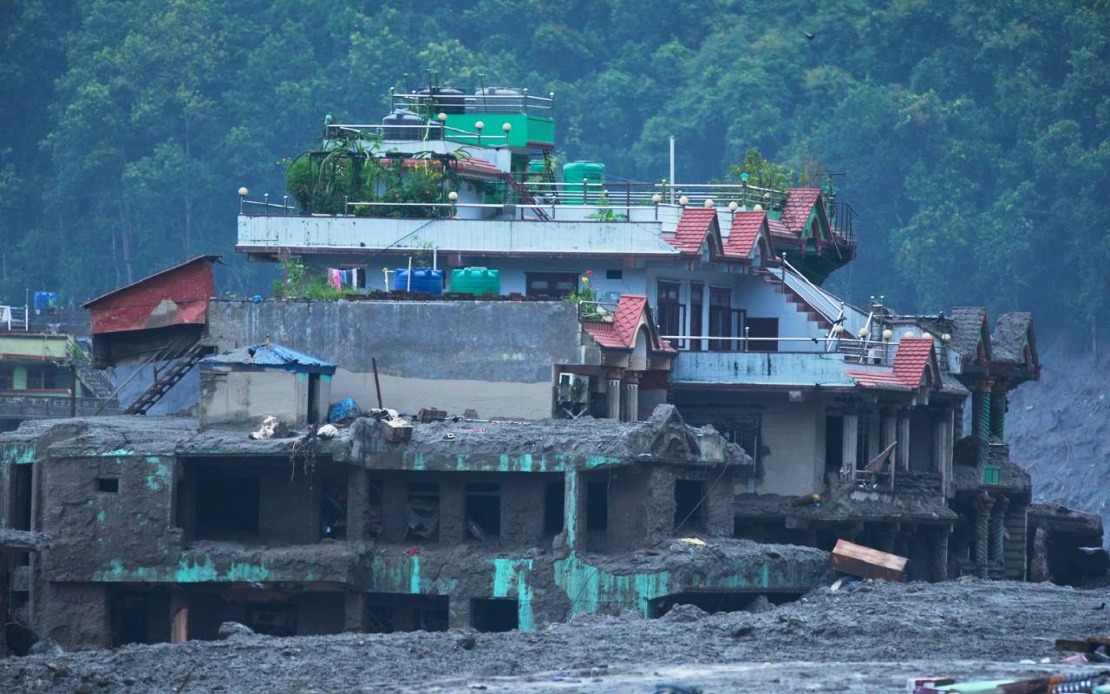
Singapore has activated its diplomatic machinery and consular services in response to a catastrophic flooding event in the Himalayan region that has trapped dozens of trekkers, including at least two nationals from the island city-state. The disaster unfolded in northern Nepal near the China border, where unseasonable weather triggered flash floods that overwhelmed a trekking group navigating some of the world's most challenging mountain terrain. The mobilisation of Singapore's Ministry of Foreign Affairs represents a broader regional response to a crisis that has exposed the vulnerabilities facing tourists and adventurers in remote mountainous zones across Asia.
Prime Minister Lawrence Wong publicly acknowledged the tragedy through a Facebook statement, signalling the gravity with which Singapore's leadership views the incident and its impact on citizens and their families. His remarks extended beyond Singapore's immediate concerns, offering sympathy to the populations of Nepal and China and recognising the extraordinary efforts being mounted by rescue teams operating in treacherous conditions. This diplomatic positioning reflects the careful balance Southeast Asian nations must maintain when responding to disasters affecting their citizens abroad, particularly in neighbouring regions where bilateral relationships carry strategic weight.
Two Singaporeans are believed to be among a multinational group of 47 hikers unaccounted for following the flash floods. The trekking party was organised by Himalayan Glacier Adventures, a company specialising in high-altitude expeditions in the Nepal-China border region. According to founder and chief executive Sagar Pandey, the missing hikers also included nationals from Australia, Nepal, the United Kingdom, the United States and Russia, underlining the international scope of the disaster and the complexity of coordinating rescue and identification efforts across multiple countries with varying administrative systems.
The Ministry of Foreign Affairs has established direct communication channels with Singaporean citizens affected by the floods and has prioritised contact with their immediate families. This consular engagement represents the standard operational response for crises overseas, yet the remote location and challenging terrain present significant obstacles to locating missing persons and providing timely assistance. The ministry's focus on next-of-kin communication acknowledges the psychological toll on families awaiting news while rescue operations proceed in difficult circumstances.
Beyond immediate crisis response, Singapore's foreign ministry has issued formal advisory guidance for all Singaporeans currently in Nepal, recommending heightened caution and close monitoring of local developments. The advisory specifically identifies flood-affected districts including Rasuwa, Nuwakot, Dhading, Gorkha and Chitwan as areas where citizens should exercise particular vigilance. This geographical specificity helps residents and visitors make informed decisions about travel and movement within the country while maintaining operational continuity for those engaged in essential activities.
The advisory further warns of cascading disruptions extending beyond the immediate flood zones themselves. Infrastructure damage affecting roads, transportation networks and communications infrastructure may persist for weeks, complicating both rescue operations and the restoration of normal services. Singaporeans are advised to verify local conditions before undertaking any journeys, a practical measure recognising that mountain regions remain unstable following major hydrological events as secondary hazards such as landslides and rockfalls persist. Low-lying areas, riverbanks and bridges remain particularly dangerous as water levels fluctuate unpredictably in the aftermath of flash flooding.
The Nepal-China border region where the disaster occurred represents one of the world's premier trekking destinations, attracting mountaineers and adventurers from wealthy developed nations seeking to test themselves against Himalayan peaks and traverse remote valleys. The accessibility of such expeditions through commercial tour operators has democratised high-altitude adventure, yet this expansion has also increased exposure to catastrophic natural hazards. Flash floods in monsoon-affected mountain regions occur with seasonal regularity, but their intensity and the difficulty of predicting precisely where they will strike remain perennial challenges for the trekking industry.
Singapore's experience managing this crisis reflects broader patterns emerging across Southeast Asia regarding how wealthy, developed nations with substantial citizen diaspora engagement respond to disasters affecting nationals abroad. The coordination with both Nepali and Chinese authorities demonstrates the multi-layered diplomatic engagement required when citizens become caught in incidents spanning international borders and involving complex rescue operations. Both countries possess critical roles in any response, as rescue teams must navigate both political boundaries and extremely challenging geographical terrain.
For Malaysia and other regional nations, Singapore's response offers instructive lessons regarding disaster preparedness for citizens engaged in adventure tourism. The proliferation of trekking, mountaineering and similar activities among middle and upper-income Southeast Asians has expanded the potential exposure to such risks. Governments increasingly find themselves coordinating with commercial operators, foreign authorities and rescue services across borders to respond to incidents that transcend traditional sovereign jurisdiction. The Nepal flooding underscores how quickly leisure activities can transform into life-threatening emergencies when natural forces overwhelm the safety protocols that adventure tourism companies implement. This incident will likely prompt Malaysian authorities to review their own advisory frameworks and consular support mechanisms for nationals undertaking high-risk activities in remote international locations.

