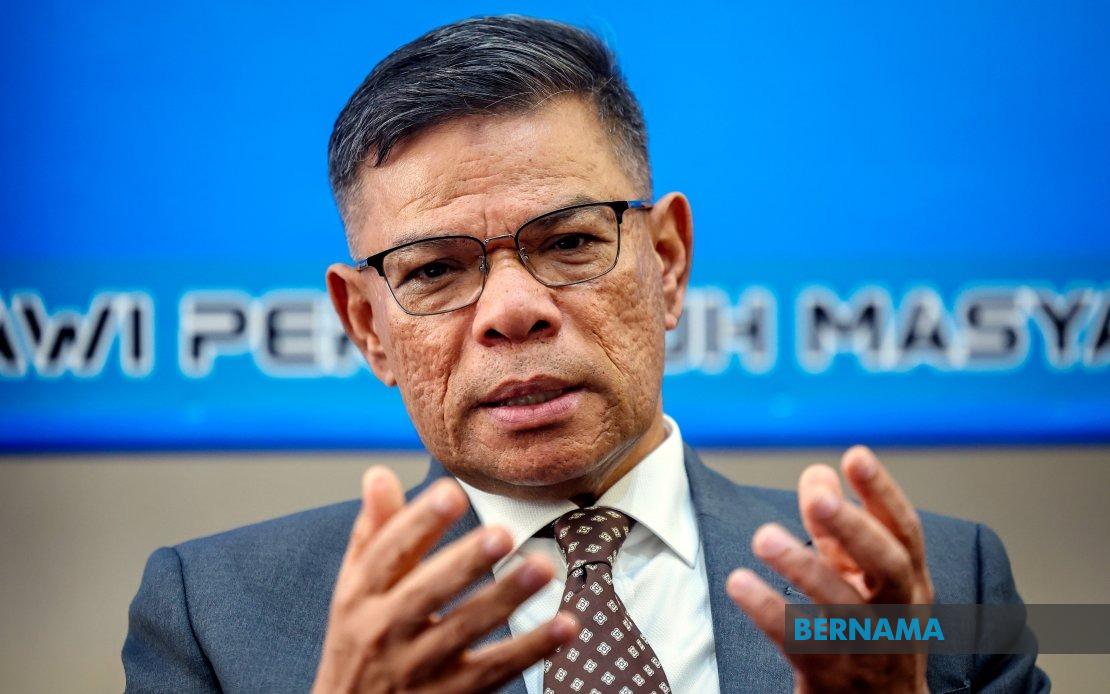
The two principal land crossing points between Malaysia and Singapore managed steady vehicle flow throughout the morning of the 16th Johor state election, according to Malaysia's Home Minister Datuk Seri Saifuddin Nasution Ismail. The Sultan Iskandar Building (BSI) and Sultan Abu Bakar Complex (KSAB) both maintained efficient operations as the nation's electoral process unfolded, with authorities receiving positive feedback from the Malaysian Border Control and Protection Agency (AKPS) tasked with managing the movement of travellers across this critical corridor.
The Home Minister publicly acknowledged the successful management of cross-border traffic through a social media update, stating that the AKPS team had ensured smooth passage at both checkpoints. He accompanied his statement with video evidence documenting conditions on the ground, offering a transparent view of operations during what many anticipated would be a congested period. This proactive communication from the government highlighted its confidence in pre-planned measures and the performance of border management personnel during a potentially high-volume election day.
Recognising the unique pressures that election day would create, authorities had taken comprehensive precautions well in advance. The AKPS had shifted its standard operations into maximum capacity mode, deploying additional resources specifically designed to accommodate the expected surge in cross-border movement. This strategy included the establishment of dedicated lanes reserved exclusively for returning voters, implementation of hybrid counter systems that allowed simultaneous processing of multiple travellers, and the activation of contra-flow lanes that reverse traffic direction based on demand patterns. Such measures reflected sophisticated border management practice informed by experience with previous high-demand periods.
The enhanced operational protocols commenced the previous day, with special lanes opening their doors at midnight to process early-returning voters. Rather than concluding these elevated measures once the election commenced, authorities maintained them throughout polling day, keeping special lanes operational from 12:01 am until 6 pm. This extended timeframe recognised that voters would return across the border at various points throughout the day, necessitating sustained rather than intermittent heightened capacity. The decision to maintain maximum operations demonstrated confidence that congestion could be managed without resorting to emergency measures.
The context for this cross-border management challenge was substantial. The 16th Johor state election represented a significant electoral exercise affecting the state with Malaysia's largest number of registered voters. A total of 172 candidates competed for 56 state assembly seats, with the Election Commission establishing 1,076 polling centres nationwide. This infrastructure involved opening 4,889 voting channels simultaneously when polls opened at 8 am, creating an enormous logistical undertaking across the state. The magnitude of this election meant that any disruption to cross-border movement could cascade into delays affecting voters' ability to participate.
For Singaporean voters or Malaysian voters residing in Singapore, the cross-border movement was not optional but essential to their democratic participation. The smooth traffic flow at BSI and KSAB therefore carried practical significance beyond routine administrative efficiency. The ability of such voters to transit quickly and without frustration during critical hours of the polling day directly influenced their capacity to cast their ballots. Any bottleneck at these checkpoints risked preventing eligible citizens from exercising their fundamental right to vote, making border management during elections a matter of democratic substance rather than mere convenience.
The Election Commission had established an ambitious voter turnout target of approximately 70 per cent, indicating official expectation that the electorate would participate actively in this state election. Achieving such participation rates across the entire state, including contributions from voters returning from across the causeway, depended partly upon removing logistical barriers. Efficient border crossing facilitated higher overall turnout by reducing the costs and time commitments required from voters who needed to cross between jurisdictions. The investment in enhanced border infrastructure thus served the broader democratic goal of maximising electoral participation.
The election timeline itself created temporal pressures that made border efficiency crucial. The Election Commission scheduled full results to become known as early as 10 pm on election day, suggesting a compressed counting period following the 6 pm poll closure. This tight schedule meant that voters could not realistically delay their crossing until evening hours; instead, they needed to transit the border during morning and afternoon windows. The concentration of cross-border movement into specific hours intensified the demand on facilities at BSI and KSAB, making the AKPS preparations particularly critical to maintaining throughput.
From a regional perspective, the smooth operations at Singapore-Malaysia's land borders carried broader implications. The causeway connecting the two nations constitutes one of the world's busiest land crossing points, with daily traffic volumes among the highest of any international boundary. The integration of these economies means that disruption to cross-border movement affects commerce, employment patterns, and tourism across both jurisdictions. Demonstrating that border authorities could manage extraordinary demand during election circumstances while maintaining normal operations signalled to the business community that electoral processes would not create severe logistical disruptions. This assurance helps maintain confidence in the regional economic environment.
The successful management of the situation also reflected broader governance competencies relevant to Malaysian observers. The AKPS, as a relatively modern agency established to provide integrated border control and protection services, demonstrated operational maturity through its ability to anticipate demand, plan comprehensive responses, and execute those plans effectively. The inter-agency coordination implicit in the smooth operations involved not merely border personnel but coordination with the Election Commission regarding likely demand patterns and with transport authorities regarding traffic flow. Such demonstrations of institutional capability matter to public confidence in government performance across multiple domains.
For Malaysian voters abroad, particularly the significant community in Singapore, border efficiency during elections affirms their capacity to participate meaningfully in their home country's democratic processes. Without smooth cross-border movement, voting becomes more burdensome and certain voters may choose to abstain rather than invest the time and effort required to transit congested borders. The AKPS measures therefore supported the principle of inclusive democracy, enabling participation from geographically dispersed citizens. This consideration becomes increasingly important as Malaysian economic integration with Singapore deepens and more citizens maintain professional or family ties across the causeway.
Looking forward, the operational success at BSI and KSAB during the Johor election establishes a template for managing similar future circumstances. Future state or federal elections involving significant voter movements across this border can draw upon the protocols and infrastructure activated during this election. The documentation and communication of these successful operations, such as the Home Minister's public update and video evidence, provide institutional memory that can inform future election planning. Authorities can analyse what worked effectively and refine approaches for subsequent electoral exercises, creating a continuous improvement cycle in border management practice.
The broader significance of smooth border operations during elections extends to Malaysia's regional standing and internal democratic legitimacy. When electoral processes proceed without logistical friction, public confidence in the administration of elections strengthens. Conversely, when voters encounter barriers to participation, frustration with electoral systems can undermine democratic legitimacy. By ensuring that cross-border voters faced minimal obstacles to casting their ballots, Malaysian authorities reinforced the message that the electoral system accommodated all citizens fairly and efficiently. This message carries particular weight for the significant Malaysian diaspora in Singapore who might otherwise question their effective inclusion in national democratic processes.

