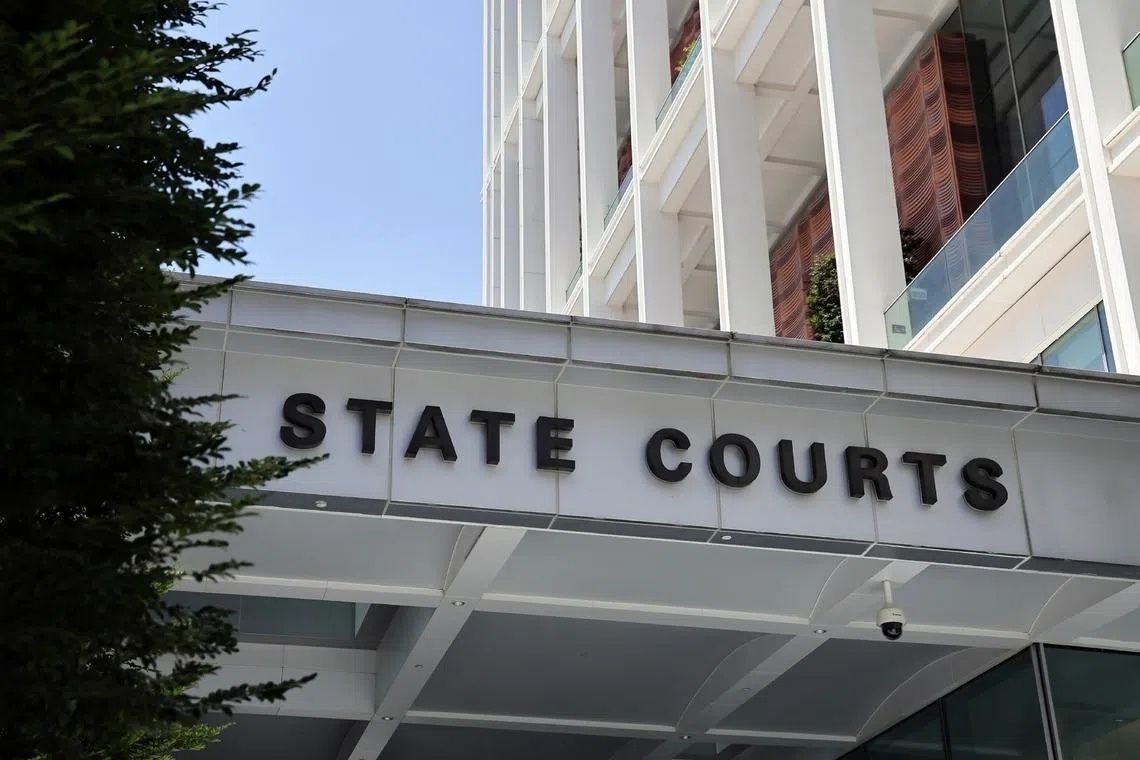
Singapore's courts have charged 41 motorists with drink-driving offences in a single day, underscoring the persistent challenge of alcohol-impaired driving across the island nation. Among those prosecuted were three men whose cases drew particular attention: they allegedly fell asleep at the wheel while under the influence of alcohol in separate incidents, resulting in vehicles left abandoned in hazardous positions across the city. The coordinated action on June 25 reflects intensified traffic enforcement and judicial processing aimed at deterring dangerous driving behaviour.
The three drivers whose cases highlight the severity of the problem are Tho Yu Wei Ronald, 34, Zhong Pengzhi, 38, and Dharuman Killivalavan, 29. Each was charged not only with drink driving but also with leaving a vehicle in a position causing undue inconvenience to others—an additional charge that underscores how alcohol impairment led to secondary risks. All three incidents occurred on different dates spanning over one month, suggesting that enforcement operations have been sustained rather than sporadic. Their cases were processed through district court on the same day, reflecting the volume of such offences being handled by the judiciary.
Tho's situation occurred on April 30 when he allegedly left his vehicle parked at the entrance of a multi-storey carpark at Block 176 Hougang Street 13 at around 11 in the evening. Breath analysis conducted by authorities revealed he had not less than 51 micrograms of alcohol per 100 millilitres of breath, exceeding Singapore's legal limit of 35 micrograms by a substantial margin. This 46 percent exceedance demonstrates significant intoxication levels at the time of the incident, raising questions about how he managed to operate the vehicle to that location before losing consciousness.
Zhong's case unfolded on May 9 when his vehicle was discovered abandoned in the second lane of Clementi Avenue 5 at approximately 1.40 in the morning. The late-night timing suggests impaired judgment combined with reduced traffic conditions that could have enabled more dangerous driving. His breath alcohol content registered at not less than 48 micrograms per 100 millilitres, representing a 37 percent breach of legal limits. The placement of his vehicle in an active traffic lane created hazards for subsequent road users who might have collided with the abandoned car.
Dharuman's case involved the most serious alcohol reading of the three, with breath analysis revealing not less than 87 micrograms per 100 millilitres of breath—nearly 150 percent above the legal limit. On June 15, he had been driving a lorry along Loyang Avenue when he abandoned the heavy vehicle in the extreme right lane at approximately 7.45 in the evening. As a foreign national, his prosecution carries additional weight in Singapore's immigration and labour frameworks. Upon pleading guilty on June 25, he received a $7,100 fine and a 36-month driving disqualification, the most significant penalty among the three men.
Beyond these prominent cases, the June 25 prosecutions revealed that repeat offenders continue to pose risks on Singapore's roads. Among the 41 charged that day, two drivers had prior drink-driving convictions, indicating that previous legal consequences had failed to deter them from repeating the behaviour. Cheng Woon Siong, 44, was one such repeat offender who pleaded guilty on the day of his court appearance. He had been stopped for routine police checks and registered 52 micrograms of alcohol per 100 millilitres of breath. Because he had previously been convicted of the same offence in December 2019, his sentence was substantially harsher: one month imprisonment, a $5,500 fine, and a five-year driving disqualification beginning after his release.
The other repeat offender, Koh Choon Lye, 48, was similarly prosecuted for a second instance of drink driving. Police had stopped him on Tyrwhitt Road on April 16 and detected not less than 51 micrograms of alcohol per 100 millilitres of breath in his system. His previous conviction dated to 2018, indicating that six years of subsequent time and two prior encounters with the law had not altered his driving patterns. The extended gap between his offences suggests that existing consequences and social messaging had limited effectiveness in preventing recidivism.
Statistical context provided by Singapore's Traffic Police reveals the broader scale of the problem. In 2025, authorities arrested 1,716 people for drink-driving offences, indicating that the 41 charged on a single day represent approximately 2.4 percent of annual arrests processed in one judicial batch. More critically, that same year saw 12 fatal accidents directly attributable to drink-driving, each representing a preventable tragedy and immense loss to families and communities. These figures underscore why enforcement remains a priority despite the already substantial legal consequences.
For Malaysian readers and Southeast Asian observers, Singapore's approach offers instructive contrasts in traffic law enforcement. The precise breath alcohol thresholds, the tiered sentencing based on prior convictions, and the swift processing of cases through district courts demonstrate an enforcement-heavy model. The judicial system's capacity to process 41 cases simultaneously reflects both the prevalence of the offence and institutional efficiency. However, the persistence of repeat offenders like Cheng and Koh suggests that deterrence through punishment alone may have limited effectiveness, pointing to broader questions about addiction, accountability, and rehabilitation across the region.
Singapore's Traffic Police have reiterated their position that driving under alcohol influence represents an exceptionally dangerous and irresponsible act, and they have actively promoted alternative transportation options. Public messaging emphasises that those who intend to consume alcohol should utilise taxis or private-hire vehicles rather than driving themselves. This public health framing—alongside enforcement and sentencing—reflects a multi-pronged strategy. Yet the continued volume of arrests and the recidivism cases suggest that awareness campaigns alone are insufficient, pointing to the need for complementary measures such as enhanced screening at entertainment venues, improved public transport options during late hours, and perhaps more intensive rehabilitation programmes for repeat offenders.
The June 25 court proceedings thus serve as a snapshot of Singapore's ongoing struggle with impaired driving despite world-class infrastructure and strict legal frameworks. The three men who fell asleep at the wheel represent not merely individual failures but systemic challenges in modifying behaviour and protecting public safety. For the broader Southeast Asian region grappling with similar traffic safety concerns, the question remains whether enforcement intensity and severe penalties can adequately address a problem that appears rooted in deeper patterns of decision-making, risk assessment, and individual accountability.

