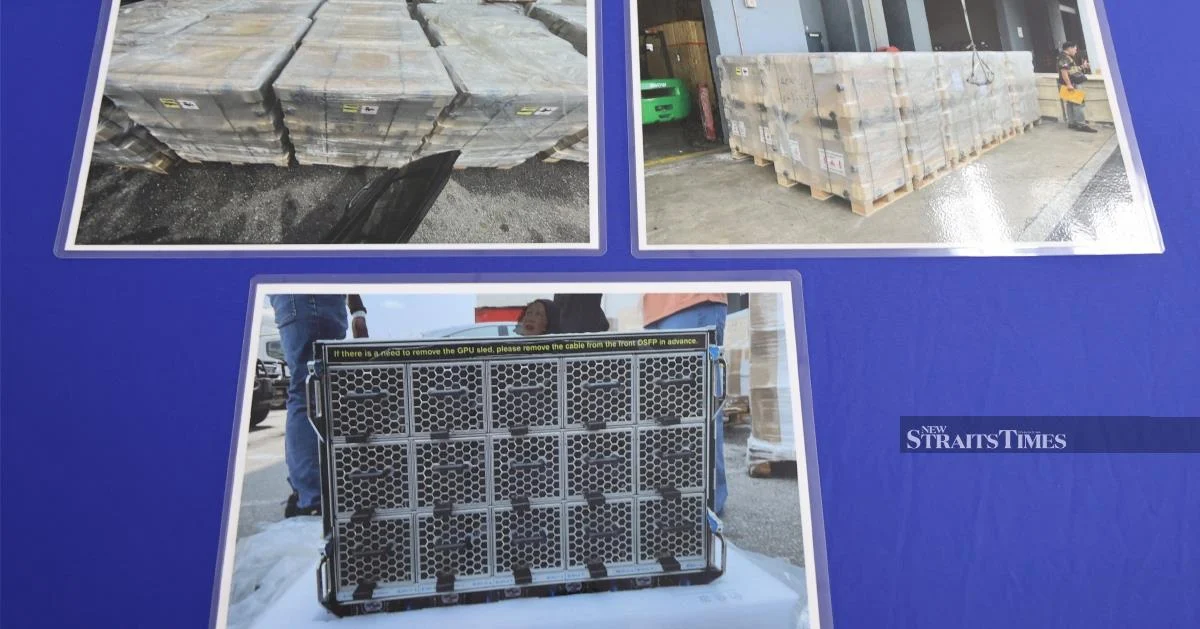
Singapore's law enforcement agencies have moved to impound a high-value residential property worth more than US$40 million in connection with an ongoing investigation into alleged violations of United States export restrictions on artificial intelligence chips. The seizure represents a significant escalation in what authorities describe as a fraud probe linked to the unauthorised transfer of strategically sensitive semiconductor technology.
The scale of the asset seizure underscores the seriousness with which Singapore is treating alleged breaches of international export regimes governing sensitive technologies. The bungalow, situated in one of the island city-state's most exclusive residential enclaves, appears to have been targeted because investigators suspect it may be connected to the proceeds or financing of the alleged illegal transactions involving AI processing units.
This development reflects growing tensions over the enforcement of American technology export controls, which have become increasingly stringent as Washington seeks to restrict China's access to advanced semiconductors deemed critical to national security. The measures are part of a broader US strategy to maintain technological dominance and prevent the proliferation of cutting-edge chip manufacturing capabilities to strategic competitors in the Indo-Pacific region.
For Malaysia and other Southeast Asian nations, the Singapore case carries significant implications regarding the movement of dual-use technology across the region. Companies and individuals involved in semiconductor distribution networks must now contend with intensified scrutiny from authorities who are coordinating more closely with international counterparts on technology transfer compliance. The precedent established through this enforcement action may shape how other regional governments approach similar investigations.
The alleged scheme appears to centre on circumventing the increasingly complex web of regulations that American authorities have imposed on exports of high-performance AI chips. These restrictions target both direct sales and the transfer of technology through intermediate markets, a mechanism that some suspected actors have attempted to exploit by channelling sensitive semiconductors through Singapore's financial and logistics hubs.
Singapore's role as a major regional technology and financial centre makes it both an attractive location for legitimate semiconductor commerce and a potential transit point for unauthorised transfers. Authorities in the city-state have demonstrated willingness to take aggressive enforcement action when such mechanisms are suspected, signalling to the international business community that attempts to circumvent export controls will face serious legal consequences.
The investigation also highlights the challenge of policing technology transfers in an increasingly interconnected global supply chain. AI chips are fundamental components in data centres, military applications, and advanced computing infrastructure, making their circulation subject to intense scrutiny from multiple governments simultaneously. The coordination required to identify and prosecute suspected violations often involves intelligence sharing and joint investigations across multiple jurisdictions.
For Malaysian policymakers and business operators in the technology sector, the Singapore enforcement action serves as a cautionary reminder about compliance obligations when handling restricted technologies. Any involvement in semiconductor distribution, even in seemingly peripheral roles, requires demonstrable adherence to export control regulations. Companies that fail to conduct adequate due diligence on their customers and end-users face reputational and legal risks that extend well beyond individual transactions.
The broader geopolitical context adds weight to this investigation. As competition intensifies between major powers over technological capabilities, governments worldwide are tightening oversight of semiconductors and related equipment. Singapore's enforcement demonstrates that Southeast Asian nations are increasingly willing to enforce these international restrictions, reflecting either direct pressure from allied nations or genuine concern about the strategic implications of unrestricted technology flows.
The seizure of residential property in fraud investigations related to export control violations remains relatively uncommon, suggesting investigators believe significant financial resources derived from alleged illegal activities may be held in real estate. This approach has been used previously in major white-collar crime investigations, where authorities move against assets they suspect represent ill-gotten gains or have been used to facilitate criminal transactions.
The investigation's scope and seriousness indicate this may involve multiple parties and potentially complex financial arrangements designed to obscure the true beneficiaries of the alleged chip transfers. Such investigations typically take considerable time to develop, involving forensic analysis of transaction records, communications, and financial flows across borders.
As details of the investigation continue to emerge, the case will likely influence how regional technology companies structure their compliance frameworks and how governments in Southeast Asia coordinate with international partners on enforcement of export controls. The episode underscores that the intersection of advanced technology, international commerce, and geopolitical rivalry has become a critical area where Malaysian and regional policymakers must exercise careful oversight.

