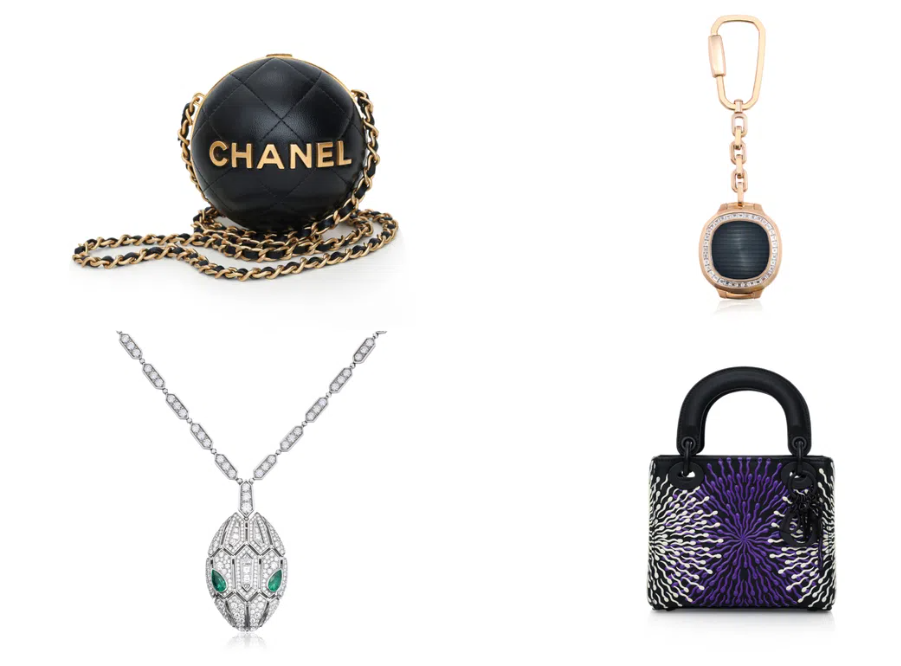
Singapore has embarked on an extensive liquidation programme to convert nearly S$1.25 billion in seized luxury assets into government revenue following the country's largest-ever money laundering investigation. The disposal strategy, managed by professional services firm Deloitte, represents an unprecedented effort to monetise confiscated goods ranging from designer handbags to fine art and high-end real estate, all stemming from the landmark case that unravelled a sophisticated financial crime network in August 2023.
The investigation began with a dramatic islandwide raid on August 15, 2023, which resulted in the arrest of ten foreign nationals. All defendants were subsequently convicted and deported, marking a decisive conclusion to the criminal proceedings. However, the systematic dismantling of their assets is proving to be a lengthy undertaking. The authorities have already transferred S$1.4 billion comprising cash from seized bank accounts and previously liquidated proceeds into the Consolidated Fund as of the end of the 2025 financial year, leaving substantial non-cash holdings still requiring conversion.
Deloitte's multi-stage approach encompasses both traditional auction methods and alternative sales mechanisms to maximise recovery value. Justin Lim, a restructuring partner at Deloitte, explained that in addition to public auctions, assets may be sold through limited tenders, expressions of interest, or direct sales to suitable buyers. This flexibility acknowledges that different asset categories demand different marketing strategies to achieve optimal pricing. The property portfolio alone, comprising over 80 individual holdings, necessitates engagement with specialised real estate professionals including SRI, Edmund Tie & Company (SEA) and Knight Frank, each bringing particular expertise to their respective market segments.
The auction programme itself represents an ambitious timeline spanning from September 2026 through May 2027, with Hotlotz, a locally-established auction house with proven credentials in high-value sales, orchestrating fifteen separate tranches. The opening pair of auctions scheduled for September 7, 2026 will showcase the scale of the operation: more than 300 designer handbags and accessories from prestigious manufacturers including Chanel, Louis Vuitton and Christian Dior, alongside over 250 pieces of fine jewellery bearing hallmarks from Graff, Bulgari and Van Cleef & Arpels. Subsequent auctions will introduce additional luxury watch collections from Patek Philippe, Richard Mille and Rolex, along with further handbag consignments from Hermes.
The auction format reflects international best practices designed to attract global bidders and establish transparent market pricing. Conducted entirely online on a timed basis, the sales will open for bidding at 10am Singapore time on September 7 and remain active until 4pm on September 20. Prospective buyers must register individually for each auction and complete mandatory identity verification procedures, safeguards that align with international auction standards and regulatory requirements. Hotlotz has committed to publishing comprehensive digital catalogues detailing all items, available on its website coinciding with the auction opening.
Physical inspection opportunities represent a crucial element of the sales process, particularly for purchasers seeking to authenticate luxury goods before committing substantial capital. Hotlotz is facilitating scheduled viewings at Le Freeport, a maximum-security private vault facility located in Changi, where prospective bidders may examine items in person subject to advance registration and booking through the auction house's digital platform. This arrangement balances accessibility with security, a consideration paramount given the exceptional value and sensitivity surrounding these assets. The professional cataloguing and international promotion strategy articulated by Hotlotz chief executive Matthew Elton underscores the organisation's commitment to achieving fair market valuations through transparent processes.
The confiscated inventory itself testifies to the operational sophistication and material extravagance of the criminal enterprise. Beyond the luxury goods destined for auction, authorities seized 207 properties, 77 vehicles, cryptocurrency exceeding S$38 million, 68 gold bars, and substantial quantities of premium liquor and wine. Bank accounts yielded more than S$1.45 billion in frozen funds, complemented by over S$76 million in cash holdings denominated in various currencies. The sheer diversity and geographic distribution of these assets reflects a network leveraging multiple jurisdictions and asset classes to obscure illicit financial flows, a pattern characteristic of sophisticated transnational money laundering operations.
For Malaysian and broader Southeast Asian audiences, this case carries significant implications regarding regional financial crime and law enforcement cooperation. Singapore's decisive and transparent approach to asset recovery offers a model for other jurisdictions grappling with similar challenges. The systematic seizure, professional asset management and public auction methodology demonstrate institutional capacity to dismantle criminal financial infrastructure while maximising compensation to the state. Moreover, the international scope of the auction process—explicitly opened to global participants—reflects Singapore's positioning as a financial hub committed to combating money laundering and recovering proceeds of crime through internationally acceptable mechanisms.
The phased auction strategy also addresses practical considerations inherent in liquidating an exceptionally large and heterogeneous asset portfolio. Rather than precipitating market distortion through simultaneous sale of thousands of luxury items, the staggered approach spreading across nine months permits individual auctions to attract specialised bidder communities. Collectors of fine watches, fashion connoisseurs, jewellery investors and property purchasers operate within distinct market dynamics, and segmented sales allow optimal pricing discovery for each category. This contrasts with alternative approaches that might sacrifice realisation value through bulk or distressed sales mechanisms.
The Consolidated Fund destination for all auction proceeds represents an important governance principle: proceeds from crime become public resources. By channelling recovered capital into general government revenue rather than law enforcement budgets, Singapore's framework prevents potential perverse incentives while affirming that criminal assets ultimately serve the public interest. This approach aligns with international best practices in asset recovery and reflects sophisticated understanding that sustainable anti-money laundering efforts depend upon institutional integrity and public legitimacy.
The ongoing liquidation programme, now visible through the auction announcements, also serves a secondary deterrent function. Prospective criminals contemplating similar enterprises in Singapore must now confront evidence of comprehensive, patient and highly professional asset seizure and recovery. The ten convicted foreigners in this case not only faced criminal punishment but witnessed their accumulated wealth systematically dismantled and converted to public funds—a consequence that extends the consequences of financial crime beyond incarceration. For regional actors considering Singapore as a money laundering destination, such demonstrated enforcement capacity represents a powerful countervailing consideration in their risk calculus.
Stakeholders wishing to participate in the auctions are explicitly cautioned to engage exclusively through official channels. Deloitte emphasised that members of the public should participate only through auctions or sales processes conducted by, or officially linked to, the appointed agencies—Deloitte, Hotlotz, SRI, Edmund Tie & Company (SEA), Knight Frank and List International Realty. This advisory reflects awareness that high-profile asset auctions occasionally attract fraud schemes targeting unsuspecting bidders. The emphasis on official linkages protects auction participants whilst reinforcing the legitimacy of the liquidation process itself, ensuring that proceeds definitively flow to intended public accounts rather than being diverted through fraudulent channels.

