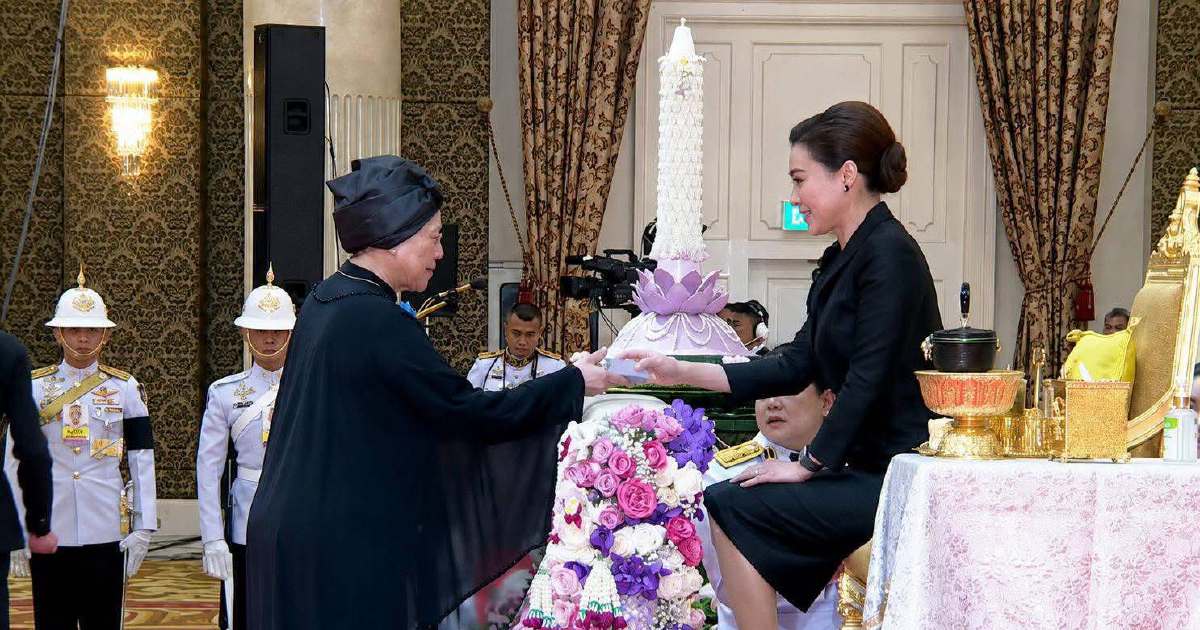
Prime Minister Datuk Seri Anwar Ibrahim and his wife, Datuk Seri Dr Wan Azizah Wan Ismail, have extended congratulations to Prof Emerita Tan Sri Datuk Seri Dr Sharifah Hapsah Syed Hasan Shahabudin following her conferment of the Outstanding Woman Award for Social Development. The accolade represents a significant milestone in recognising the achievements of accomplished Malaysian women who have dedicated themselves to advancing social progress across the nation.
The recognition accorded to Sharifah Hapsah comes at a time when Malaysia continues to emphasise gender inclusivity and the expanded participation of women across professional, academic, and civic sectors. Such awards serve as tangible acknowledgments of individual excellence whilst simultaneously drawing attention to the broader narrative of women's agency and influence in shaping national priorities and institutional outcomes. The honour carries symbolic weight beyond the individual recipient, casting light on the systemic importance of diversifying leadership and expertise across sectors that drive social development.
Sharifah Hapsah's distinguished career spans multiple domains, reflecting the multifaceted contributions that contemporary Malaysian women bring to their fields. Her designation as Prof Emerita underscores an academic trajectory marked by scholarly rigour and intellectual contributions to her discipline. The breadth of her involvement in social development initiatives indicates a commitment extending beyond theoretical frameworks into tangible interventions that address pressing community needs and systemic challenges affecting Malaysian society.
The decision to confer this particular award on Sharifah Hapsah reflects an institutional recognition that women's leadership and expertise in social development carries strategic importance for the country's long-term progress. Social development encompasses diverse concerns—from poverty alleviation and education access to healthcare equity and community resilience—areas where women often serve as agents of change both within formal structures and grassroots movements. By honouring an individual who has contributed to these domains, the award validates the interconnection between women's empowerment and broader national development objectives.
Prime Minister Anwar Ibrahim's visible support for this recognition signals governmental alignment with gender equality principles and the administration's commitment to creating institutional frameworks that acknowledge women's achievements. Such public endorsements carry practical implications, potentially influencing resource allocation, mentorship opportunities, and the visibility of female role models within academic and professional networks. When leaders actively celebrate women's accomplishments, they simultaneously normalise female presence in positions of influence and authority, gradually reshaping organisational cultures and expectations.
The participation of Datuk Seri Dr Wan Azizah Wan Ismail in extending congratulations adds another dimension to the occasion, highlighting the cross-generational collaboration among accomplished Malaysian women. Wan Azizah's extensive background in public service and advocacy provides a platform through which such recognitions gain wider resonance within civil society. Her involvement demonstrates that celebrating individual achievement constitutes a collective investment in advancing women's representation across institutional hierarchies.
From a regional perspective, Malaysia's emphasis on gender-inclusive development policies positions the nation comparably to other ASEAN economies grappling with similar challenges around women's labour force participation, educational attainment, and leadership representation. Awards recognising women's contributions to social development represent one mechanism through which countries signal their commitment to the Sustainable Development Goal agenda, particularly SDG 5 on gender equality. Within the Southeast Asian context, where women's participation in development initiatives often remains underrecognised despite significant practical contributions, such acknowledgments carry particular salience.
The nomination and selection processes underlying such awards typically involve institutional scrutiny and peer evaluation, meaning that recognition reflects not merely symbolic gestures but substantive assessment of impact and influence. Sharifah Hapsah's receipt of this honour therefore indicates that her work demonstrably advanced social development outcomes measurable through institutional, community, or policy-level changes. Understanding the specific contributions underlying her award would provide insights into which social development priorities Malaysian institutions currently prioritise and which approaches they consider exemplary.
Looking forward, ceremonies honouring achievement in social development often catalyse conversations about emerging priorities and future directions for the sector. Such occasions present opportunities for public reflection on whether current development trajectories adequately address evolving challenges, whether resources flow toward areas of greatest need, and whether institutional barriers to women's full participation in development leadership persist. The visibility accorded to Sharifah Hapsah's achievement may inspire younger professionals, particularly women, to pursue careers and commitments centred on social development, thereby strengthening the intellectual and practical capacity of Malaysia's development sector over subsequent decades.

