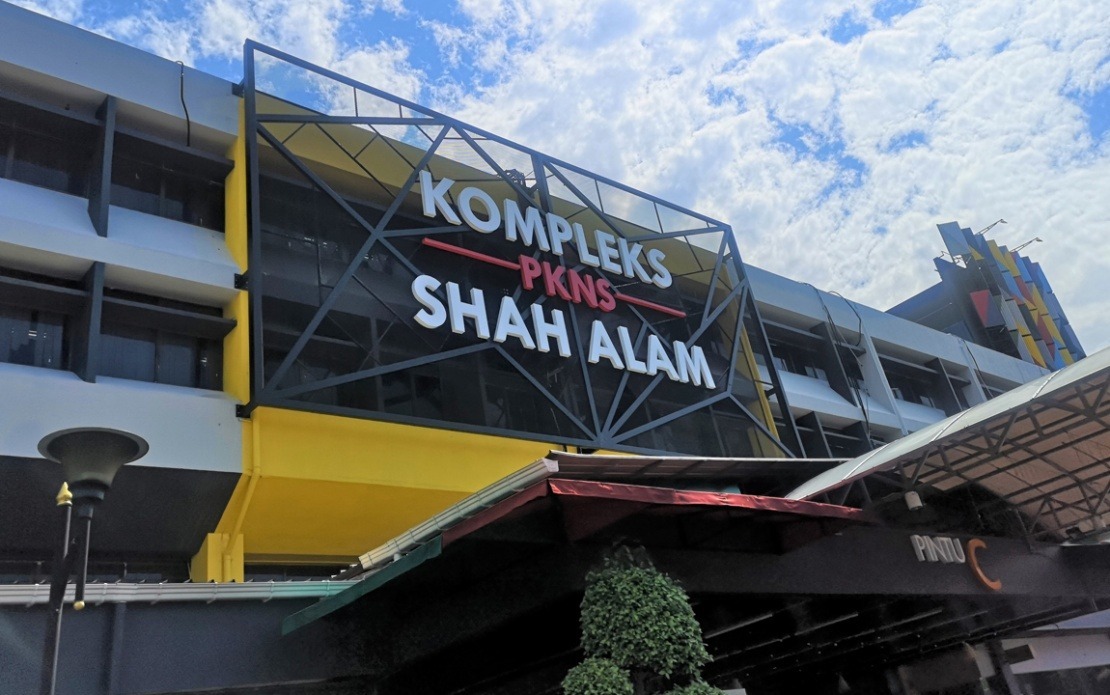
The Shah Alam PKNS Complex swung back into action on Wednesday after the Selangor State Development Corporation confirmed that comprehensive safety checks and procedural requirements had been satisfied in the wake of a fire that erupted at the sprawling commercial facility on Tuesday afternoon. The quick reinstatement of services underscores how efficiently the property's management team executed its crisis response protocols and liaised with emergency responders to secure the premises.
Investigators have established that the fire's origin lay within an Air Cooled Package Unit (ACPU) panel housed in the Air Handling Unit (AHU) room situated on the building's ground floor. This technical finding, emerged from preliminary assessments conducted by the complex's facility management personnel, provides a starting point for deeper forensic analysis. The Selangor Fire and Rescue Department has continued examining the incident to determine the precise triggering factors, a process that will inform safety recommendations for similar installations across Selangor's commercial real estate landscape.
The facility's response to the emergency was textbook in its execution. Upon detecting the fire, management immediately shut down electrical supply and air-conditioning systems in the affected zone as a protective measure, preventing potential electrical hazards from compounding the situation. The public address system was activated to initiate an orderly evacuation of Phase 1 of the building, demonstrating that tenant awareness and staff familiarity with emergency protocols had been adequately maintained. Such drills and preparedness measures, though costly to implement, proved their worth when actual danger materialised.
Fire and Rescue personnel moved decisively to contain the blaze, bringing it under control within a remarkably short timeframe that prevented the fire from advancing into adjacent sections of the complex. This swift containment was critical for protecting the hundreds of businesses and their customers who depend on the PKNS Complex for commercial activities. The intervention by the Selangor Fire and Rescue Department exemplifies the importance of maintaining responsive emergency services in densely occupied commercial zones where seconds matter in preventing catastrophic damage.
The incident resulted in zero casualties, a positive outcome attributable to the coordinated response and the absence of structural collapse or entrapment scenarios. Ashrul Riezal Asbar, the Assistant Director of Operations for Selangor JBPM, confirmed that the situation had been successfully managed without harm to any persons on the premises at the time. This fortunate outcome will likely be cited as validation of the existing safety infrastructure and evacuation procedures in place at the complex.
The temporary suspension of electricity and air-conditioning in the affected section meant that some tenants experienced operational disruptions on Tuesday, but the isolation strategy successfully prevented system-wide failures. By Wednesday, once inspections were finalised and authorities confirmed readiness, these utilities were restored, allowing businesses to resume their regular functions. For the numerous retail outlets, offices, and service providers occupying the complex, such downtime carries financial implications, making swift recovery essential for maintaining tenant confidence.
For property managers and building operators throughout Selangor and Malaysia, the Shah Alam incident serves as a reminder of the vulnerability points within mechanical systems that climate-control infrastructure represents. ACPU and AHU components are found in virtually every mid-to-large commercial building, making this incident relevant to facility managers nationwide. Electrical faults, component degradation, or poor maintenance in cooling equipment can rapidly escalate into fires if not detected early, underscoring the need for regular inspections and preventive maintenance schedules that go beyond minimum regulatory compliance.
The PKNS Complex, as a flagship commercial property developed by a state government entity, carries particular symbolic weight in Selangor's commercial sector. Its ability to respond effectively and recover quickly sends reassuring signals to the broader business community about the reliability of facilities managed under public-sector oversight. The transparency with which PKNS communicated the incident and its resolution also demonstrates good crisis management practices that build stakeholder trust.
The ongoing investigation by the Fire and Rescue Department will likely yield detailed findings about whether the ignition resulted from equipment failure, inadequate maintenance, design deficiency, or unforeseen operational circumstances. These findings could inform future building codes, maintenance standards, and safety requirements for commercial properties throughout the state. Industry bodies representing building owners and operators will be monitoring the investigation's conclusions with considerable interest, as they may necessitate retrofitting measures or enhanced inspection protocols across existing facilities.

