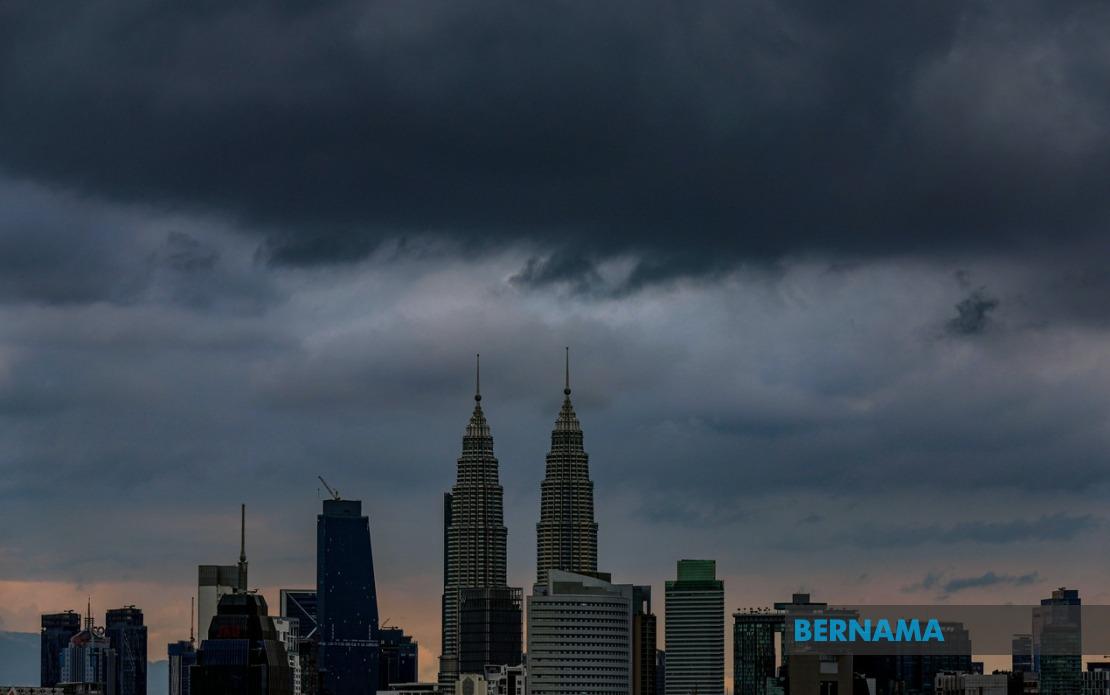
The Malaysian Meteorological Department has cautioned the public to prepare for deteriorating weather conditions across a significant portion of the country, with thunderstorms, heavy rainfall and gusty winds set to impact multiple regions throughout the day. The alert, which extends until 7 pm, covers Kuala Lumpur and Putrajaya alongside 10 states spanning the peninsula, East Malaysia and offshore territories, affecting both urban centres and rural areas.
According to MetMalaysia's latest advisory, residents in Perlis, Penang and Kedah should brace for the adverse conditions, with the warning applying specifically to districts including Langkawi, Kubang Pasu, Padang Terap, Kuala Muda and Kulim. Similarly, substantial portions of Perak face the threat, with the departments identifying Hulu Perak, Kuala Kangsar, Manjung, Kinta, Perak Tengah, Kampar and Bagan Datuk as areas of concern. These northern and central regions have experienced volatile weather patterns in recent weeks, and today's forecast represents a continuation of the monsoon-influenced atmospheric instability affecting the region.
The forecast extends further southward, encompassing northern Peninsular Malaysia's eastern flank. In Kelantan, the district of Gua Musang faces elevated risk, whilst Terengganu's coastline and interior regions including Besut, Setiu, Kuala Nerus, Hulu Terengganu and Dungun remain vulnerable. Pahang's highland and central districts, notably Cameron Highlands, Raub, Bentong and Rompin, are similarly exposed to the anticipated system. These areas, characterised by elevated terrain and proximity to moisture-laden wind patterns, historically experience amplified rainfall intensity during such weather events.
The Greater Kuala Lumpur region and surrounding Selangor localities form another significant zone of concern. MetMalaysia's warning encompasses the federal territories alongside multiple Selangor districts—Hulu Selangor, Gombak, Petaling, Kuala Langat, Hulu Langat and Sepang—where urban infrastructure, transportation networks and residential communities face disruption risks. Flash flooding in low-lying areas, waterlogged roads and reduced visibility on major expressways represent foreseeable complications for commuters and businesses operating across these densely populated zones.
East Malaysia bears no exemption from today's meteorological hazard. Sarawak's warning encompasses a dispersed array of divisions and municipalities stretching from the coastal regions near Kuching through interior territories. The affected zones include Bau and Kuching in Kuching Division, alongside Serian, Samarahan and Sri Aman further inland, with Betong in the south and Sarikei further north all flagged for attention. The Sibu Division's Selangau district, central Mukah, and Kapit Division's Song and Kapit localities complete the peninsular portion of the warning, whilst Bintulu Division's Tatau and Miri Division's Subis and Miri face comparable conditions along Sarawak's northeastern coastline.
Sabah similarly confronts the weather system, with MetMalaysia identifying multiple divisions vulnerable to thunderstorms and heavy precipitation. The Interior Division's Keningau and Tambunan districts, West Coast Division's Ranau, and the Sandakan Division's quartet of susceptible areas—Telupid, Kinabatangan, Beluran and Sandakan itself—require heightened preparedness. Given Sabah's topography and infrastructure vulnerabilities, particularly in interior and less densely populated regions, such weather events pose material challenges for communication, supply chains and community safety.
The convergence of multiple meteorological factors explains the widespread nature of this alert. Tropical systems, intermonsoonal transitions and localised atmospheric heating create conditions conducive to rapid thunderstorm development across diverse geographical settings. The afternoon and early evening timeframe identified in MetMalaysia's advisory represents the period of peak atmospheric instability, when solar heating reaches its maximum intensity and moisture concentration peaks. Residents and businesses should interpret the 7 pm expiration time as indicative rather than absolute, as weather patterns frequently extend beyond official forecast windows.
Practical implications for those in affected zones warrant immediate consideration. Commuters should anticipate traffic disruptions and exercise heightened caution on highways prone to hydroplaning and reduced visibility. School administrators, event organisers and outdoor business operators should review contingency plans and consider schedule modifications where appropriate. Farmers and agricultural businesses across the peninsula and East Malaysia face potential crop damage from hail, excessive runoff and wind damage. Drainage systems in urban areas may become overwhelmed, particularly in districts already saturated from preceding rainfall.
MetMalaysia's alert system reflects the department's sophisticated monitoring capabilities and commitment to public safety communication. Real-time updates remain available through official channels, mobile applications and broadcast media, allowing residents to adapt plans as conditions evolve. The organisation's expertise in atmospheric science continues refining forecast accuracy, though the inherent unpredictability of thunderstorm development means localised surprises remain inevitable despite technological advances. Those in warned zones are encouraged to monitor official updates throughout the day rather than relying solely on the initially published timeline.

