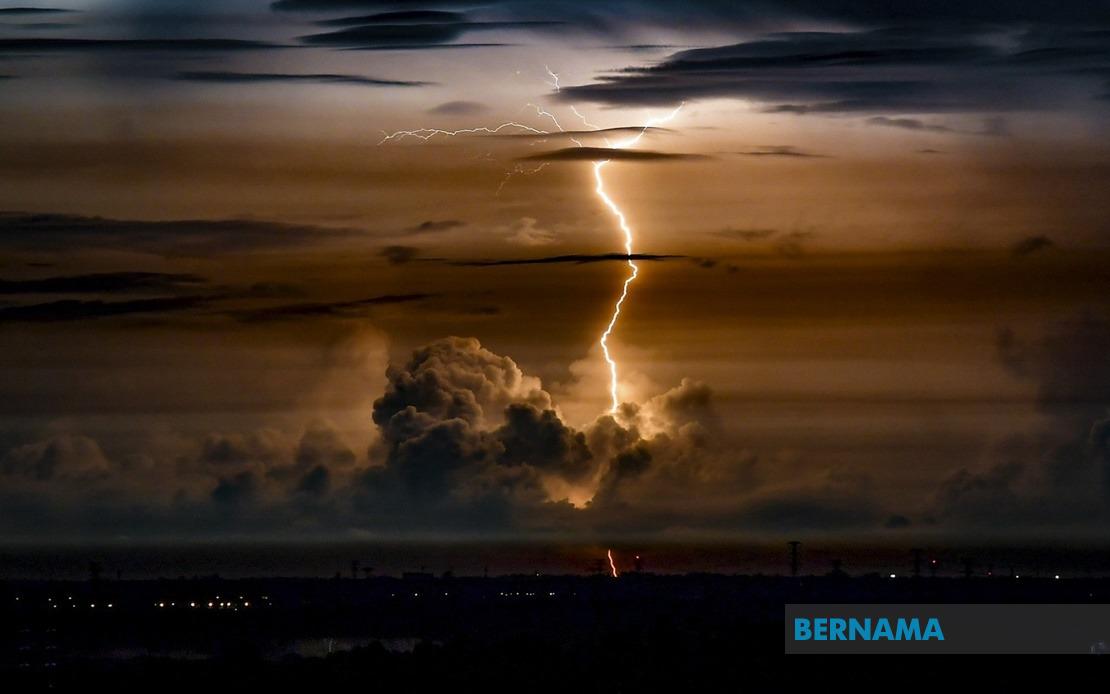
The Malaysian Meteorological Department has activated severe weather alerts affecting multiple regions across the peninsula, with residents and travellers in seven states advised to prepare for potentially hazardous conditions lasting until 9 pm today. The warning encompasses areas in both coastal and inland zones, reflecting the broad geographic reach of an atmospheric system expected to produce significant rainfall and gusty winds throughout the afternoon and early evening hours.
The four districts within Perak—Bagan Datuk, Muallim, Hilir Perak, and Batang Padang—form part of the warning zone, alongside the entire states of Terengganu and Pahang on the east coast. The inclusion of these eastern seaboard territories suggests the system is moving inland from the South China Sea, a pattern typical during southwest monsoon conditions when moisture-laden winds collide with the peninsula's topography to trigger convective storms.
The Johor district of Mersing, located on the state's east coast, also falls under the alert, indicating that the weather disturbance extends across a substantial north-south corridor. Meanwhile, multiple localities within Selangor—Sepang, Klang, Sabak Bernam, Kuala Selangor, and Kuala Langat—have been flagged, suggesting that the greater Klang Valley and surrounding regions face the prospect of significant weather disruption during the evening commute period. These areas are among Malaysia's most densely populated, meaning the alert has implications for potentially millions of residents and commuters.
Negeri Sembilan's Rembau and Port Dickson districts, together with Melaka's Alor Gajah and Melaka Tengah municipalities, complete the geographic scope of the warning. The southern zone coverage indicates that the weather system extends well into the southwest peninsula, creating a consolidated band of severe conditions affecting the western seaboard from Perak through to Melaka.
Thunderstorm warnings carry particular significance in Malaysia's context, given the nation's tropical climate and the potential for rapidly intensifying convective activity. Heavy rain, especially when concentrated within short timeframes, can overwhelm drainage systems in urban areas and trigger flash flooding in low-lying zones. The strong wind component adds another dimension of risk, with the capacity to damage structures, topple trees, disrupt power supplies, and create hazardous conditions for outdoor activities and maritime operations.
The timing of the alert—persisting until 9 pm—places the peak danger period during late afternoon and early evening hours when many people are outdoors or engaged in travel. This temporal dimension carries practical consequences for traffic management, event planning, and workplace operations across affected regions. Schools and public institutions in vulnerable areas may need to implement contingency protocols, and parents commuting during the warning window should exercise heightened caution.
MetMalaysia's decision to issue a coordinated alert across multiple states reflects a systematic assessment of atmospheric data indicating conditions conducive to severe thunderstorm development. The methodology behind such alerts involves analysis of moisture availability, atmospheric instability, wind shear patterns, and convergence zones—factors that meteorologists monitor continuously to provide timely public warnings. The specificity of the geographic areas cited suggests that the forecasters have identified particular zones of heightened vulnerability within each state.
For residents and businesses in affected areas, the practical implications extend beyond mere inconvenience. Flash flooding represents a genuine hazard in urban zones with drainage limitations, while strong winds can cause structural damage and create safety risks. The warning provides a window of time for precautionary measures, such as securing loose outdoor items, avoiding unnecessary travel, postponing outdoor gatherings, and ensuring that proper shelter is accessible.
The public advisory system in Malaysia has become increasingly sophisticated over recent years, with MetMalaysia employing multiple channels to disseminate warnings through official statements, social media platforms, mobile alerts, and traditional broadcast media. This multi-channel approach aims to reach diverse demographics across different regions, ensuring that vulnerable populations, including those in remote areas, receive timely information to make informed decisions about their safety.
From a broader climate and weather pattern perspective, such warnings are becoming a more frequent feature of Malaysia's meteorological landscape as climate variability continues to influence rainfall distribution and storm intensity. The increasing frequency of severe weather alerts across multiple states simultaneously suggests shifting patterns in how atmospheric systems develop and propagate across Southeast Asia, a phenomenon that urban planners, infrastructure managers, and policymakers must factor into long-term resilience strategies.

