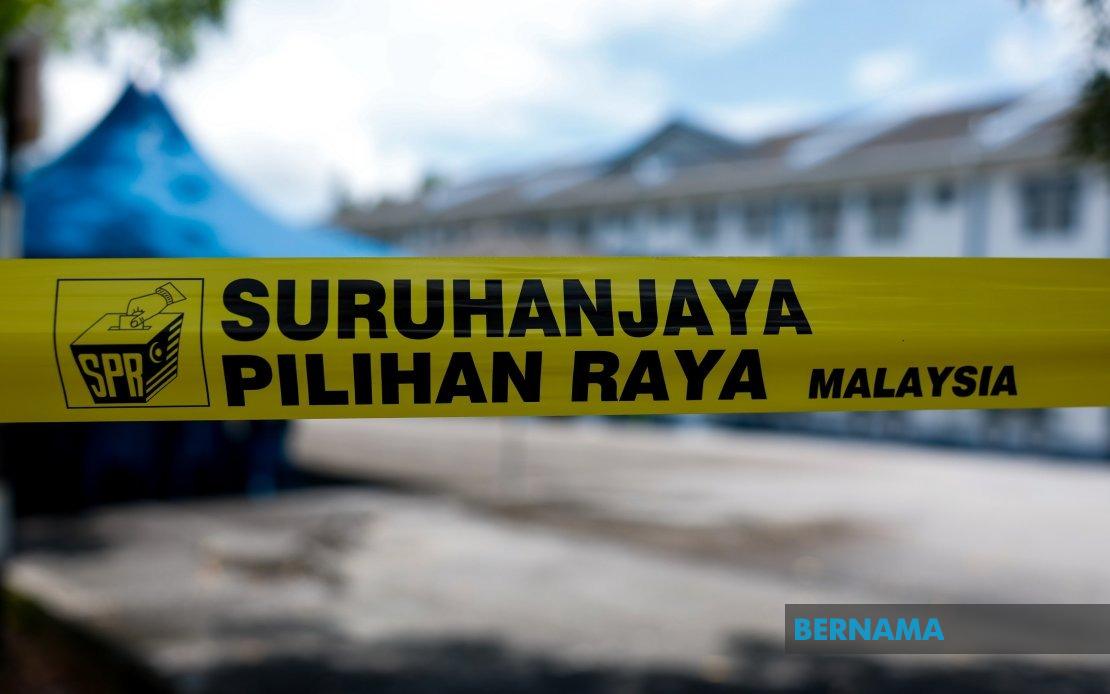
Authorities in Negeri Sembilan are maintaining heightened vigilance as the state election campaign enters its final stretch, with police having initiated seven separate investigations into offences tied to electoral activities. Negeri Sembilan Police Chief Datuk Alzafny Ahmad disclosed the enforcement action during the campaign period for the 16th Negeri Sembilan state election, signalling the police's commitment to ensuring the electoral process remains lawful and orderly.
Two of the seven investigation papers were initiated within a single day, both stemming from breaches under Section 427 of the Penal Code, which addresses wilful mischief that results in the destruction or deterioration of property. These cases underscore the physical confrontations and aggressive conduct that can emerge during heated campaign periods, when competing political camps jostle for visibility and voter attention. The immediate opening of dual cases within 24 hours suggests that property damage incidents—potentially involving campaign materials, signage, or public installations—have become a notable concern for authorities managing election security.
The broader picture reveals mounting tension on the ground. Between July 18 and July 22, the Negeri Sembilan contingent of the Royal Malaysia Police received a cumulative total of 12 police reports linked to election offences. This volume of complaints, spread across a five-day window, indicates that violations are dispersed across multiple jurisdictions and incident types rather than concentrated in isolated hotspots. For Malaysian voters and election observers, the pattern suggests that election-related misconduct during state campaigns remains a persistent challenge, notwithstanding legal frameworks and enforcement mechanisms designed to prevent abuse.
While authorities grapple with enforcement, the machinery of campaign approval continues to operate at pace. On the day of the police chief's statement, the election administration processed 53 fresh permit applications for political ceramahs—traditional public speaking events—and associated campaign activities, with all applications granted. The cumulative tally of approved permits reached 226, reflecting the extensive grassroots mobilisation underway across Negeri Sembilan's constituencies. This volume of sanctioned activities demonstrates the logistical complexity of managing an election campaign, particularly in a state with dispersed populations and diverse communities requiring targeted outreach.
The police leadership has made clear that regulatory compliance forms a cornerstone of election management strategy. Datuk Alzafny Ahmad emphasized that every political programme and activity is subject to police oversight to verify adherence with electoral law and to safeguard public safety and order. This supervisory approach reflects the delicate balance election authorities must strike between enabling democratic participation—which inherently involves public assembly and political expression—and preventing disorder, intimidation, or violence that can undermine electoral integrity. For the diverse constituencies of Negeri Sembilan, including urban centres like Seremban and rural districts, this monitoring function remains critical to ensuring that all voters can participate without fear or disruption.
Enforcement action will intensify as polling approaches. Police have signalled their intention to strengthen preparedness, monitoring, and enforcement measures throughout the remainder of the campaign period, with explicit warnings that violations will attract stringent consequences. This hardline posture is consistent with the approach adopted across Malaysian state and federal elections in recent years, where police have sought to use deterrence to discourage infractions before they occur. The pre-emptive messaging, directed at both campaign operatives and the general public, aims to establish clear expectations about lawful conduct.
The Election Commission has structured the Negeri Sembilan election timeline to allow for early voting on July 28, with the main polling day scheduled for August 1. This compressed calendar compresses the campaign window, placing time pressure on all competing parties and potentially intensifying the competitive environment. Early voting provisions, increasingly common in Malaysian elections, provide flexibility for voters with work or family commitments but also add procedural complexity for poll administrators and police security planners. The staggered voting schedule means that enforcement and monitoring cannot relax until after polls close on August 1.
For regional observers, the Negeri Sembilan election serves as a microcosm of broader electoral dynamics across Southeast Asia. Malaysia's experience managing campaign conduct, balancing civil liberties with security imperatives, and adjudicating disputes offers insights for neighbouring democracies navigating similar tensions. The handling of property damage cases and the volume of permit processing in Negeri Sembilan reflects institutional capacities and political maturity that distinguish Malaysian electoral management from less developed systems in the region.
Civic engagement will prove decisive in the coming days. Police authorities have explicitly appealed to the public to maintain compliance with electoral law, respect democratic processes, and cooperate actively with law enforcement. This appeal operates on multiple registers: it acknowledges public agency in sustaining electoral legitimacy while also framing cooperation with police as a patriotic duty. For Malaysian voters, the message is that election conduct remains a collective responsibility, not solely the domain of officials and security forces.
The call for peaceful, harmonious, and orderly conduct reflects an awareness that state elections, while routine, carry real stakes for community relations and political stability. Negeri Sembilan, with its mix of urban and rural constituencies and diverse ethnic and religious composition, exemplifies the complexity of managing elections in multicommunal Malaysia. The police's emphasis on orderly conduct serves as an implicit recognition that electoral competition, if unmanaged, can strain communal bonds and incite violence. By maintaining visible enforcement and clear messaging, authorities aim to channel political competition into lawful channels.
As Negeri Sembilan enters the final week of formal campaigning, the trajectory of investigations and police activity will offer important signals about the election's security posture and the state of electoral discipline among competing factions. The seven investigation papers, whilst not negligible, remain modest in number relative to the scale of campaign activities underway—a fact that may suggest that most participants are adhering to legal requirements. However, the continued processing of property damage cases and the volume of police reports indicate that vigilance must remain sustained. The election machinery, staffed by police, returning officers, and election monitors, will remain mobilised until results are declared and democratic legitimacy is reaffirmed.

