The border town of Serian is grappling with deteriorating air quality, yet residents and business owners are navigating the hazy conditions by adapting their routines rather than shutting down entirely. As of 4 pm on August 13, the Air Pollutant Index Management System registered an API reading of 178 in Serian, placing the district firmly in the unhealthy category and triggering widespread precautionary measures across the community. Despite the concerning air quality figures, the town maintains a semblance of normalcy as people venture out for essential errands and traders attempt to maintain their livelihoods.
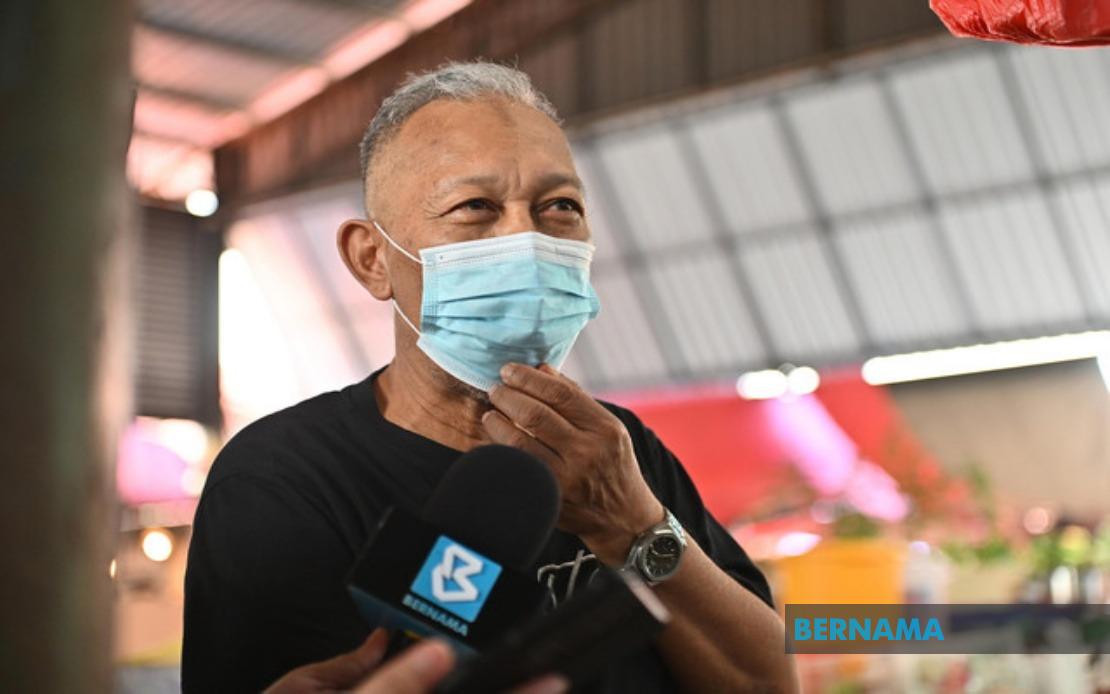
A visit to Serian Tamu Market revealed the reality facing business operators in the district. Several traders have taken basic protective measures, donning face masks while attending to customers, a visible reminder of the health risks posed by prolonged exposure to polluted air. The market, traditionally a bustling hub of commerce, presents a more subdued picture as both vendors and shoppers navigate the unhealthy atmospheric conditions. This scene reflects a broader pattern emerging across Sarawak's affected towns, where economic activity persists despite environmental challenges.
Vegetable trader Asmail Kipli, 62, embodies the difficult position many small business owners find themselves in. Operating from his stall in Gedong, Kipli has witnessed a significant 30 per cent decline in customer traffic and corresponding income over recent days. Yet he continues working because the financial obligations of running a market stall—particularly rental payments—leave him with limited options. His decision to remain open despite reduced revenues illustrates the precarious balance between health considerations and economic survival that defines the daily calculus for informal sector workers throughout Malaysia.
The impact on trading is more acute for some vendors than others. Fruit seller Marina Latong, 53, has taken more aggressive action by curtailing her business hours to 3 pm, a significant reduction from normal operating times. Latong's willingness to shorten her day reflects both the physical toll of extended exposure to poor air quality and diminished customer demand during hazardous conditions. She has gone further in contingency planning, signalling that she will temporarily cease operations entirely if the haze situation deteriorates further, demonstrating how environmental crises can rapidly disrupt economic activity in small-scale trading communities.
Beyond the market, residents are modifying their behaviour and outdoor activities in response to the unhealthy air. Interviews with traders revealed a notable shift in local patterns, with people becoming more selective about leaving their homes and conducting business only when necessary. This cautious approach reflects growing health awareness among Serian's population and suggests that the psychological impact of sustained haze may prove as disruptive as the physical air quality itself. Such voluntary reduction in outdoor movement, while protective of individual health, compounds the economic slowdown already affecting businesses dependent on regular foot traffic.
The educational sector has experienced the most dramatic response to the crisis. A total of 107 schools across the Serian district have been ordered to close from August 13 through Friday, acknowledging that the unhealthy API readings pose unacceptable risks to children's respiratory health. This closure affects thousands of students and represents a significant disruption to the academic calendar. The decision reflects Malaysia's established protocols for managing transboundary haze events, prioritizing student welfare even as it creates logistical challenges for working parents and educational institutions planning catch-up activities.
Serian's experience forms part of a larger Southeast Asian pattern of seasonal haze events that have become increasingly frequent and intense. The town's geographic location in Sarawak places it in a region particularly vulnerable to transboundary smoke, with air quality fluctuations occurring annually during peak burning seasons. Understanding these recurring patterns is crucial for policymakers considering long-term adaptation strategies, infrastructure investments, and regional cooperation mechanisms to address the root causes of haze pollution.
The resilience demonstrated by Serian's traders and residents offers insights into how Malaysian communities absorb economic shocks from environmental crises. Unlike major urban centres where infrastructure and economic diversity provide buffer capacity, small towns like Serian face direct transmission of environmental impacts into economic hardship. The 30 per cent revenue declines reported by traders translate into real household income losses that ripple through local economies, affecting employees, suppliers, and dependent families.
For Malaysia's broader economy, haze events in districts like Serian highlight the hidden costs of transboundary pollution. Beyond health care expenses and educational disruptions, there are productivity losses, reduced consumer spending, and income volatility in affected communities. These microeconomic impacts aggregate into measurable drags on regional economic performance, particularly for Sarawak's commerce-dependent towns. Policymakers must balance short-term adaptive responses—such as school closures—with long-term solutions addressing regional air quality management and sustainable land practices in neighbouring territories.

