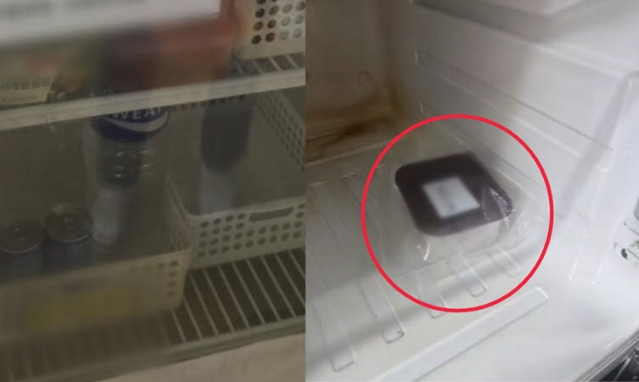
South Korean health authorities have launched an inquiry into a Seoul-based nursing facility following the discovery of a patient's severed toe stored inside a kitchen refrigerator, highlighting potential breaches of medical waste disposal regulations and raising broader concerns about oversight in long-term care institutions across the country.
According to a report by KBS, the amputated digit had been placed inside a disposable porridge container and left in the facility's refrigerator for approximately two weeks, sharing the space with regular food items, beverages, and condiments before being discovered by visiting family members. The discovery, confirmed publicly on August 19, has since triggered formal administrative scrutiny from Seoul's health authorities and prompted the national Health Ministry to request a local government investigation.
The patient is described as a man in his 60s living with an intellectual disability who has been a resident of the hospital for a decade. His family subsequently learned that the amputation had occurred in March when they made contact with hospital staff to inquire about the missing digit. Hospital personnel explained that the incident happened when the patient fell while being transferred in a wheelchair during a bathing procedure, with the fall causing a toe already compromised by skin necrosis to become detached from his foot.
What has particularly alarmed family members and health officials is that the patient's family was not formally notified of a foot ulcer diagnosis despite medical documentation indicating the condition had been logged in the facility's nursing records since December of the previous year. This communication gap raises questions about the hospital's protocols for informing relatives of significant medical developments and whether patients with mobility limitations receive adequate preventive care to avoid tissue damage.
South Korean law explicitly addresses scenarios such as this through the Waste Control Act, which mandates that medical waste, including human tissue, be stored in specially designated containers rather than standard refrigeration units. Additionally, storing human biological material alongside food products likely contravenes food sanitation regulations designed to protect public health and prevent cross-contamination within food preparation areas. These dual legal violations underscore the seriousness of the incident from a regulatory standpoint.
The hospital's response to the controversy has centered on a claim that appropriate storage containers were unavailable at the time the amputation occurred. Hospital administrators stated that a nursing staff member made the decision to temporarily preserve the toe in the kitchen refrigerator as an immediate response to an urgent situation, implying that the measure was meant to be provisional rather than permanent. This explanation, however, does little to address why the tissue remained in improper storage for a full fourteen days, or why family members were not informed of either the accident or the storage arrangement.
The incident serves as a stark reminder of the regulatory challenges facing long-term care facilities in South Korea and across East Asia more broadly. Nursing homes and geriatric hospitals often operate with limited resources and staffing levels that struggle to meet modern medical standards, particularly in regions outside major metropolitan centers. For Malaysian readers, this case resonates with ongoing discussions about standards of care in local private nursing homes and rehabilitation centers, where similar gaps in regulatory oversight and staff training have occasionally surfaced.
The case also illustrates the vulnerability of elderly and disabled patients who lack the mobility or cognitive capacity to advocate for themselves or immediately report incidents to family members. The patient's intellectual disability meant he could not independently communicate what had occurred, and the hospital's apparent delay in notifying his relatives allowed weeks to pass before the family even became aware of the serious health event. This dynamic underscores the importance of mandatory incident reporting requirements and family notification protocols in care facilities.
Following the KBS investigation, South Korea's Health Ministry moved swiftly to demonstrate regulatory responsiveness by instructing local government authorities to conduct a comprehensive administrative investigation of the hospital. This multi-agency approach suggests that the ministry views the incident as indicative of potential systematic failures rather than an isolated oversight by a single staff member. Such investigations typically examine staff training records, facility maintenance logs, waste management procedures, and communication protocols to identify broader institutional weaknesses.
The refrigerator incident will likely prompt South Korean policymakers to review existing guidelines for medical waste handling in nursing facilities and to strengthen enforcement mechanisms. Regulators may introduce more prescriptive requirements for staff training on proper waste disposal, mandatory equipment standards for all care facilities regardless of size, and enhanced communication protocols ensuring families are immediately notified of significant medical events. These developments could establish benchmarks that influence standard-setting discussions in neighboring countries facing similar challenges in eldercare regulation.

