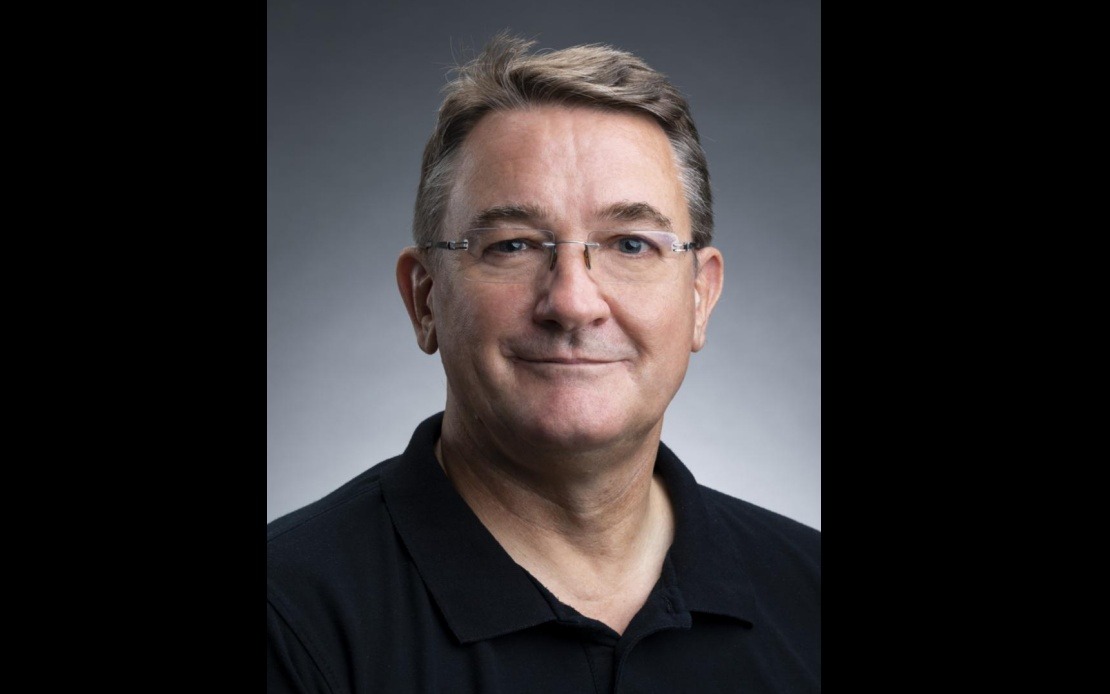
Semiconductor industry veteran Dr David Lacey has taken on the role of British Honorary Consul in Penang, stepping into a position vacated by Datuk Robert Hawkins, who concluded two decades of diplomatic representation in the state. The appointment, announced through the British High Commission in Kuala Lumpur, reflects a strategic shift toward deepening technology-focused collaboration between the United Kingdom and Malaysia's northern corridor during a pivotal period for both nations' digital transformation agendas.
Lacey, 60, brings substantial credentials to the position. Beyond his current chairmanship of the Semiconductor Fabrication Association of Malaysia, he serves as director of a high-technology semiconductor enterprise based in Penang and maintains advisory roles with both the Academy of Sciences Malaysia and the Collaborative Research in Engineering, Science, and Technology board. His career trajectory spans three continents—Europe, North America, and Southeast Asia—with particular expertise in establishing research and development infrastructure that translates innovations into commercially viable products.
British High Commissioner to Malaysia Ajay Sharma outlined the strategic rationale behind the appointment, emphasizing that Lacey's background positions him to amplify the high commission's reach into Penang and surrounding northern regions. His involvement will focus specifically on the technology, digital, and artificial intelligence sectors at a moment when both countries are formulating a Strategic Partnership framework. This signals that London views Malaysia's semiconductor and tech industries as priority areas for deeper engagement, particularly as supply chain security and technological sovereignty grow more pressing for Commonwealth partners.
Lacey's predecessor, Datuk Robert Hawkins, left behind an accomplished tenure. Over 20 years, he cultivated relationships between British institutions and Penang's leadership structures while representing British interests in a region that has transformed dramatically over the past two decades. Sharma's public gratitude toward Hawkins acknowledged the foundation upon which Lacey will now build, recognizing that lengthy diplomatic tenure creates institutional knowledge and trust that new appointees inherit.
The honorary consul role, though not a salaried diplomatic position, carries significant responsibility. Lacey will now oversee political engagement with Penang's state administration and municipal authorities, coordinate academic exchanges and partnerships, and facilitate commercial transactions between British entities and local stakeholders. His responsibilities extend to consular matters that directly affect individual British nationals—providing support during medical emergencies or legal troubles, managing affairs following deaths, and coordinating responses during crises that impact UK citizens in the region.
Lacey's personal history demonstrates his integration into Malaysian society over more than two decades. He has resided in Penang since 2001, establishing roots that run deeper than most diplomatic appointees. His educational credentials—a Doctor of Philosophy from the University of Sussex—coupled with an Honorary Doctor of Science conferred by Universiti Sains Malaysia in 2021, underscore his standing within both Western academic circles and Malaysia's knowledge economy. The USM honor specifically recognized his contributions to Malaysia's broader economic development, suggesting he has cultivated credibility across multiple stakeholder communities.
The timing of Lacey's appointment carries significance for Malaysian readers tracking regional geopolitics and technology competition. As the United Kingdom recalibrates its Indo-Pacific strategy following its European integration challenges, deepening ties with Southeast Asian technology hubs becomes strategically important. Penang, already home to semiconductor manufacturing operations and tech clusters, represents a natural focal point for UK-Malaysia collaboration on innovation, talent development, and supply chain resilience—sectors where both nations face similar pressures from global competition.
Lacey's semiconductor industry leadership positions him to navigate conversations around critical technology partnerships. Malaysia's push toward becoming a high-value semiconductor ecosystem player aligns with UK interests in diversifying supply sources away from over-concentration in Taiwan and other vulnerable jurisdictions. His presence in the honorary consul role suggests potential for accelerating discussions on technology transfer, joint research initiatives, and workforce development—areas where bilateral cooperation could yield mutual benefits.
The appointment also reflects broader patterns in how nations deploy diplomatic resources in the modern era. Rather than relying solely on career diplomats, countries increasingly appoint honorary consuls from among resident business leaders and academics who can bridge official and commercial spheres. Lacey's track record of establishing R&D teams and bringing technologies to market indicates he understands both technical substance and business practicality—qualifications that may prove valuable as Malaysia and the UK explore deeper technology sector alignment.
For Penang specifically, the transition carries implications for how the state engages with Commonwealth partnerships and Western technology partnerships. As the state positions itself as a global technology destination, having a British honorary consul with genuine semiconductor expertise and decades of residency provides a more substantive connection than purely ceremonial representation would offer. This could facilitate smoother coordination on investment matters, regulatory alignment, and talent mobility between the two jurisdictions.
Looking forward, Lacey's appointment suggests that bilateral UK-Malaysia relations are shifting from traditional diplomatic frameworks toward innovation-focused partnerships. His multidisciplinary background—spanning industry leadership, academic affiliation, and scientific advisory roles—positions him to identify opportunities for collaboration that conventional diplomatic channels might overlook. Whether this translates into tangible technology partnerships, joint research initiatives, or supply chain cooperation will depend on how actively he pursues these opportunities within the constraints of an honorary position.

