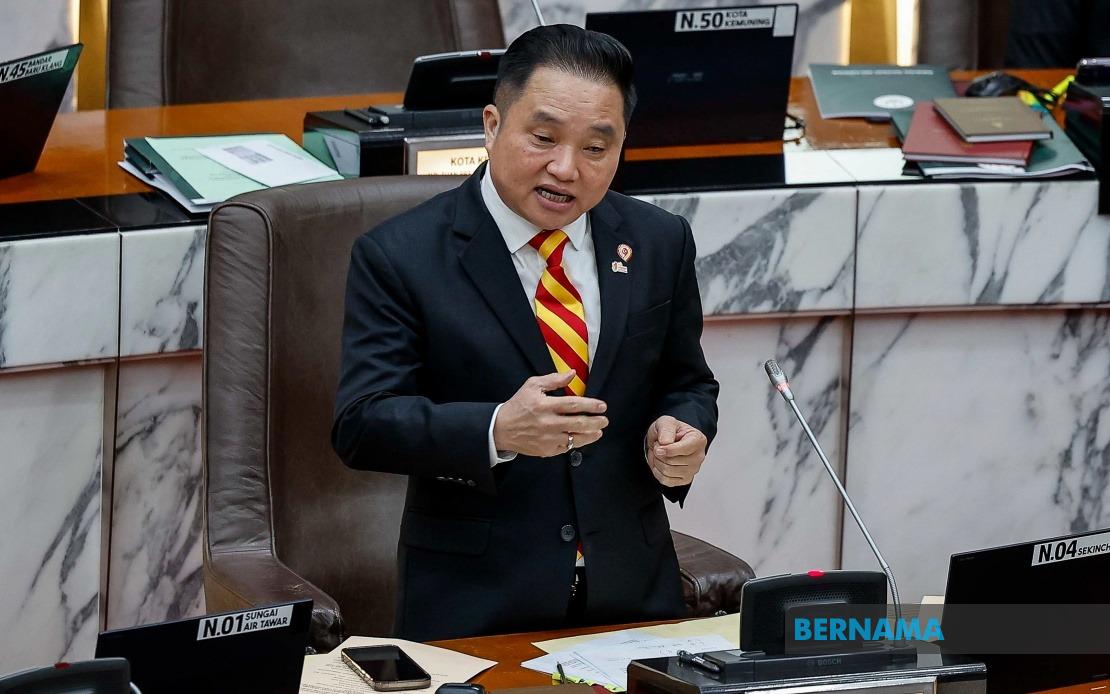
The Selangor state government is moving forward with plans to create a comprehensive digital platform that will integrate the services and complaint channels of all 12 local authorities across the state into a single unified application. Datuk Ng Suee Lim, chairman of the State Local Government and Tourism Committee, unveiled the initiative during a sitting of the state assembly, describing it as a strategic step to modernise how residents interact with municipal services. The proposed 'super app' represents a significant shift in how Malaysia's most developed state intends to deliver governance services, consolidating disparate digital touchpoints into one convenient interface.
The underlying motivation for this consolidation stems from persistent feedback the state government has received from residents who find the proliferation of separate applications both confusing and cumbersome. Multiple applications for different local authorities mean residents must download, register, and navigate different platforms depending on which municipal service they require, whether paying property assessment taxes, lodging complaints, or accessing building permits. Ng acknowledged that this fragmented approach creates friction in citizen engagement and represents an inefficient use of digital infrastructure. By centralising these services, the state aims to reduce the cognitive and practical burden on the public, making municipal services more accessible and user-friendly while simultaneously improving the state's reputation for digital governance.
The initiative addresses a growing complaint among Malaysians about the proliferation of applications in daily life. Citizens frequently report confusion about which application handles specific services, leading to wasted time and increased frustration when attempting to resolve municipal matters. The Selangor government's recognition of this problem demonstrates responsiveness to public sentiment and a willingness to prioritise user experience over maintaining separate administrative silos. This move could set a precedent for other Malaysian states and federal authorities to consolidate their digital platforms, creating a more coherent ecosystem for public-sector services.
Security and data protection form the cornerstone of the state government's approach to this project. Ng Suee Lim explicitly stated that data confidentiality and security would be prioritised throughout the development and operation phases, with regular monitoring mechanisms in place to prevent unauthorised disclosure or misuse of personal information. Given Malaysia's existing regulatory framework under the Personal Data Protection Act, the state government will need to ensure the super app complies with all relevant data protection requirements. The selection of vendors responsible for developing and maintaining the application will involve rigorous vetting processes to ensure only providers with proven expertise, robust security protocols, and demonstrated track records of reliability are engaged.
The implementation strategy reflects pragmatic awareness of Malaysia's varied levels of digital literacy. Despite the app-based approach, the state government has committed to maintaining traditional counter services at physical municipal offices. This dual-channel approach ensures that elderly residents, rural populations, and others with limited digital skills or connectivity issues will not be disadvantaged by the transition to digital-first service delivery. Maintaining these offline alternatives is crucial for inclusive governance, particularly in Selangor where significant portions of the population still prefer in-person interactions or lack reliable internet access. The decision recognises that a purely digital solution would inadvertently exclude vulnerable populations from accessing essential municipal services.
The timing of this initiative reflects broader trends across Southeast Asia toward government digitisation and smart city development. Singapore, Thailand, and Indonesia have all pursued aggressive digital transformation programmes for municipal services, and Selangor's move positions Malaysia as competitive within the region. The super app concept has proven successful in the private sector across Asia, where platforms like Grab and Gojek have demonstrated that consumers appreciate consolidated services accessible through single applications. Applying this model to government services could enhance citizen satisfaction and improve administrative efficiency.
From a practical standpoint, the super app will streamline complaint resolution mechanisms. Currently, residents must navigate different complaint channels for issues involving parking enforcement, road maintenance, waste management, building violations, or other concerns depending on which local authority has jurisdiction. A unified platform allows residents to lodge complaints through a single portal and receive integrated tracking across multiple authorities when issues require inter-agency coordination. This integration can reduce response times and improve complaint resolution outcomes by eliminating the need for residents to contact multiple authorities separately.
The project also carries implications for local authority operations and efficiency. Consolidation of digital platforms allows for standardisation of backend systems, potentially reducing redundancy in IT infrastructure investment across the 12 authorities. Resource sharing and centralised data management can lower costs while improving system reliability and security. However, implementation will require significant coordination among diverse municipal organisations with varying levels of technological sophistication and existing digital infrastructure.
Challenges remain in realising this vision. Different local authorities operate under varied governance structures, use different back-end systems, and maintain different service standards. Harmonising these disparate systems into a single coherent platform requires careful technical planning, change management, and stakeholder engagement. The state government will need to allocate sufficient resources and allow adequate time for pilot testing before full rollout. Setting realistic implementation timelines and managing expectations will be crucial to the project's success.
For Malaysian residents, particularly those in Selangor, the super app represents potential improvements in convenience and accessibility of municipal services. The initiative demonstrates how digital technology, when thoughtfully implemented with attention to security and inclusivity, can enhance governance delivery. If executed successfully, Selangor's super app could become a model for other Malaysian states and contribute to broader national efforts to improve digital government services. The project exemplifies how local governments can leverage technology to respond to citizen feedback and improve public administration efficiency.

