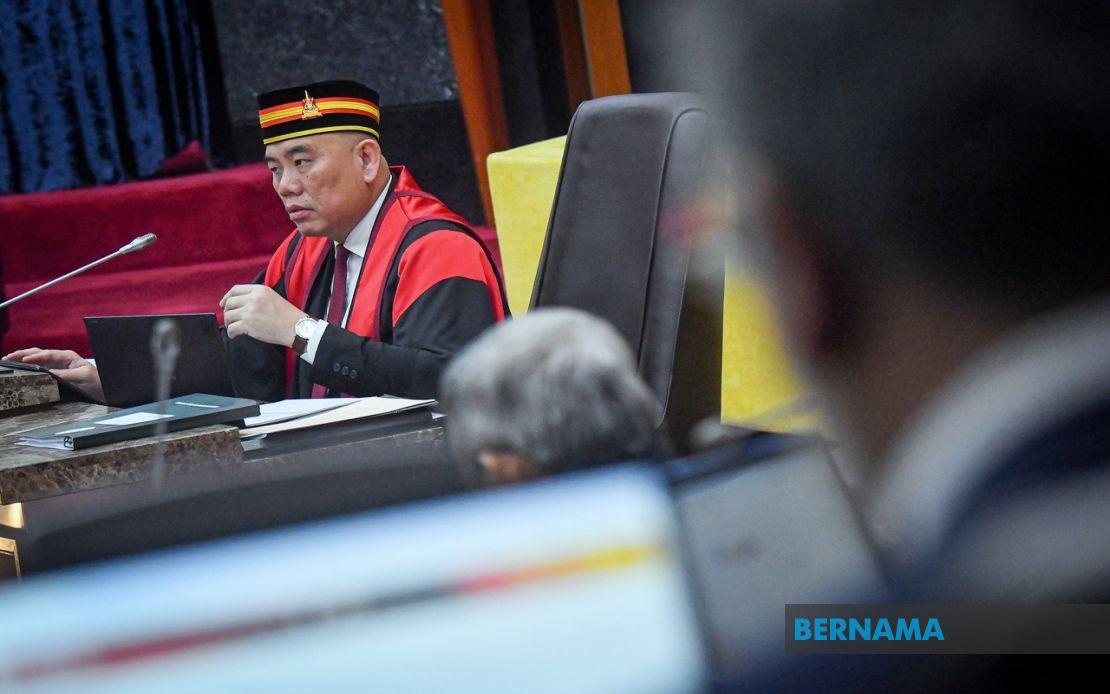
The Selangor State Legislative Assembly Speaker Lau Weng San is conducting a thoroughgoing examination of the standing of all assemblymen in the state legislature, a process that will ultimately determine whether any seats must be declared vacant. Speaking at Wisma Dewan Negeri Selangor in Shah Alam, Lau explained that this wide-ranging audit encompasses representatives from every political party represented in the assembly and covers constituencies across the state. The meticulous nature of the review underscores the significance of the matter, as vacating seats can trigger by-elections and reshape the political balance within the legislature.
The speaker emphasised that his ongoing investigation operates within the strict framework of the Selangor State Constitution, ensuring that all determinations rest upon verified facts rather than assumptions or political considerations. By extending the review to cover all parties without distinction, Lau has signalled an intention to apply uniform standards across the political spectrum, a gesture that carries weight in Malaysia's fractious state politics. The methodical approach reflects the sensitivity surrounding legislative vacancies, particularly given the importance of assembly membership in determining government stability and the mandate to govern.
When pressed on the anticipated completion date, Lau demurred from providing a specific timeline, noting instead that he would issue updates once the comprehensive checks had concluded. This measured stance contrasts with the urgency some political observers might expect, yet it suggests that the speaker intends to base decisions on thorough investigation rather than expedience. The Selangor State Constitution stipulates that an assemblyman absent from sittings for six consecutive months without authorisation or proper notification faces potential seat vacation, establishing clear grounds for scrutiny.
The speaker moved to deflect immediate speculation when addressing the absence of one or two assemblymen from today's sitting. Rather than linking their non-attendance to the ongoing status review, Lau cautioned against premature conclusions, pointing out that members may miss sessions for legitimate reasons including health matters or personal circumstances. This distinction matters significantly in the Malaysian political context, where absences are sometimes weaponised as evidence of disqualification or disloyalty. Several assemblymen have already submitted formal letters explaining their absences and citing various justifications, information that Lau indicated would receive individual consideration during the assessment process.
Menteri Besar Datuk Seri Amirudin Shari had previously signalled that conclusions regarding at least one seat's status would materialise before the current week concluded. His statement indicates that the government is working on parallel tracks: the speaker's constitutional review of attendance and eligibility, combined with preparations by the state legal adviser on the procedural and documentation requirements. Once the speaker furnishes formal notification, the file will move to relevant authorities, potentially including the Election Commission, which holds responsibility for administering any resulting by-election.
The interconnected roles of various institutions highlight the complexity embedded within Malaysia's federal constitution and state constitutions. The speaker operates as an independent arbiter of legislative procedure and member eligibility, while the legal adviser prepares the administrative foundations for government action. The Election Commission, as an autonomous constitutional body, must then independently assess whether a vacancy merits a by-election under electoral law. This layering of institutional checks, while sometimes cumbersome, aims to prevent any single actor from arbitrarily displacing a member.
For Malaysian political observers, the review carries implications extending beyond Selangor's legislature. The state has repeatedly served as a testing ground for constitutional interpretations and political manoeuvrings that eventually influence practice across other states and at federal level. The manner in which Lau conducts this review—with transparency, constitutional adherence, and apparent even-handedness—may establish precedents for handling similar situations elsewhere. Given that Malaysian states have experienced numerous disputes over assembly membership and seat vacancies over recent years, the Selangor precedent warrants close attention.
The broader context involves the persistent tensions within Malaysian state governments where coalition arrangements remain fragile and individual members sometimes shift allegiances or find themselves embroiled in legal difficulties. Selangor's current political configuration, like many Malaysian states, reflects the volatility that has characterised the nation's politics since 2018. Any seat vacancy could theoretically affect the balance between the government and opposition, depending on which party the departed member represented, lending procedural questions genuine political weight.
Assemblymen who submitted absence notifications citing health complications present a particular category for consideration. Malaysian politics has occasionally witnessed members leveraging health claims or other justifications to temporarily step back from duties, sometimes as part of calculated political strategies or personal recuperation periods. The speaker's commitment to assess each case individually acknowledges this complexity, moving beyond mechanical application of rules to consider substance and circumstance. This discretionary element, while necessary for fairness, also requires careful handling to avoid accusations of partisan advantage.
The review process itself reflects constitutional maturity within Selangor's institutions. Rather than rush to declarations that could be contested or reversed, the speaker has opted for deliberate examination that can withstand legal challenge and public scrutiny. This approach proves particularly important given that assembly members represent hundreds of thousands of constituents whose interests theoretically depend upon proper observance of constitutional procedures. When seats become vacant through improper process, courts may intervene, creating additional complications.
Looking forward, the week ahead will test whether the speaker delivers on the government's expectation for resolution. The pressure to conclude this review reflects not merely administrative preference but the practical reality that prolonged uncertainty unsettles legislative operations and invites speculation. Once decisions emerge, they will likely spark political debate and potentially trigger legal challenges if any affected assemblymen contest the determinations. For Southeast Asia's most economically developed state, maintaining institutional credibility throughout this process remains essential.

