The Selangor State Government has begun the crucial groundwork to untangle a complex land ownership situation that stands between Malaysia and one of its most strategically important port expansion projects. The Port Klang Third Terminal, planned for Carey Island, represents a pivotal infrastructure investment designed to enhance the nation's position in regional maritime trade and logistics. Transport Minister Anthony Loke confirmed this week that resolving the land issue constitutes the essential first phase before any physical development can commence on the project.
The involvement of multiple stakeholders has created layers of bureaucratic and legal complexity that officials must now methodically address. The Transport Ministry and Selangor State Government are collaborating with private sector partners to navigate what appears to be a mixed ownership scenario across the proposed site. Loke outlined that the project will operate under a Build-Operate-Transfer model, a framework that allows private investment in public infrastructure with eventual transfer to government control. This concessionaire approach has become increasingly common in major Asian port developments, offering a mechanism to leverage private capital and expertise while maintaining public ownership of the underlying facility.
The land composition itself underscores the administrative complexity facing planners. According to Selangor Menteri Besar Datuk Seri Amirudin Shari, the state has identified approximately 1,699.68 hectares across Pulau Carey in Kuala Langat for the terminal expansion. This total comprises two distinct parcels with different ownership structures: 1,011.71 hectares of seabed land falls under the management purview of the Selangor State Development Corporation (PKNS), while the remaining 687.96 hectares of coastal land is owned by Yayasan Selangor, a state-affiliated charitable foundation. Such fragmented ownership, while manageable, requires formal agreements and potentially legislative action to consolidate development rights and streamline decision-making authority.
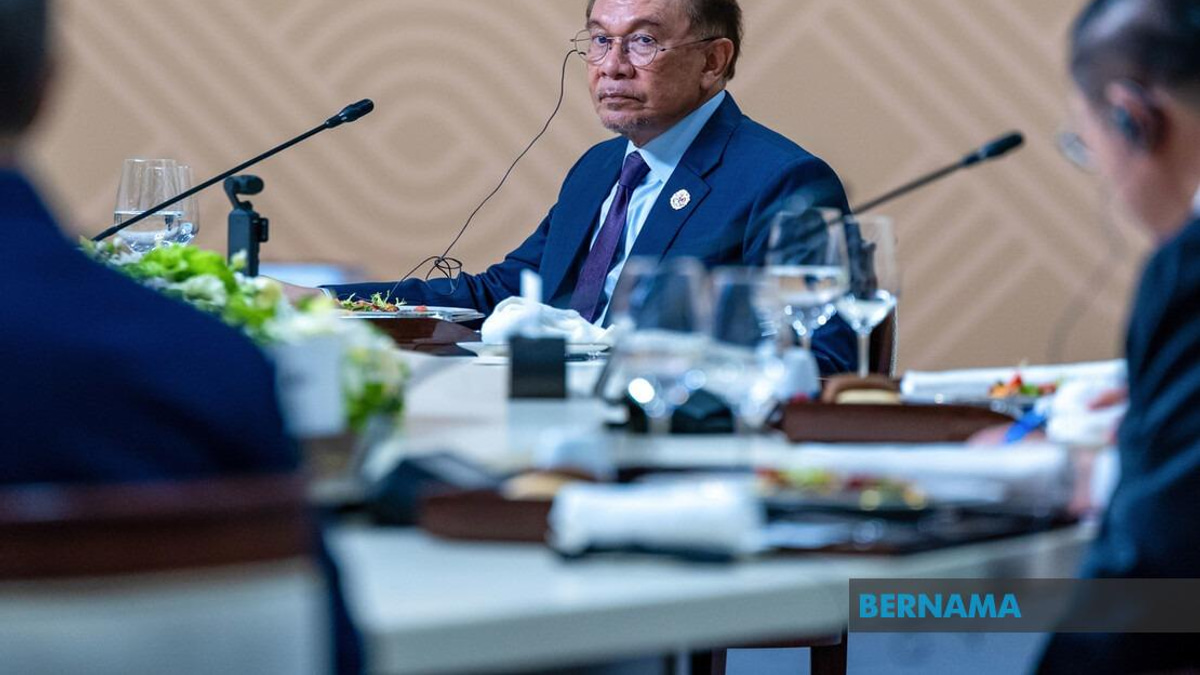
The timing of this announcement carries particular significance given Malaysia's ambitions to reclaim market share in Southeast Asian shipping. Port Klang, already Malaysia's busiest container facility, faces mounting pressure from regional competitors including Singapore's world-class infrastructure and Thailand's emerging deep-sea ports. The third terminal represents not merely an incremental capacity expansion but a strategic repositioning that acknowledges shifting trade patterns, larger vessel sizes, and the competitive imperatives facing Malaysia's shipping industry. Government enthusiasm appears genuine, with Prime Minister Datuk Seri Anwar Ibrahim previously instructing all relevant agencies to accelerate the project's realisation.
Although the Transport Ministry expressed optimism about commencing construction during the current calendar year, Loke's qualified language suggests realistic acknowledgment of the procedural hurdles remaining. His emphasis that "what is important now is that the land issue needs to be resolved" indicates this administrative dimension, rather than financing or technical feasibility, currently represents the binding constraint. Resolving competing land claims typically requires coordination between state and federal authorities, potential compensation arrangements, and legal documentation that cannot be rushed without risking future disputes or project delays.
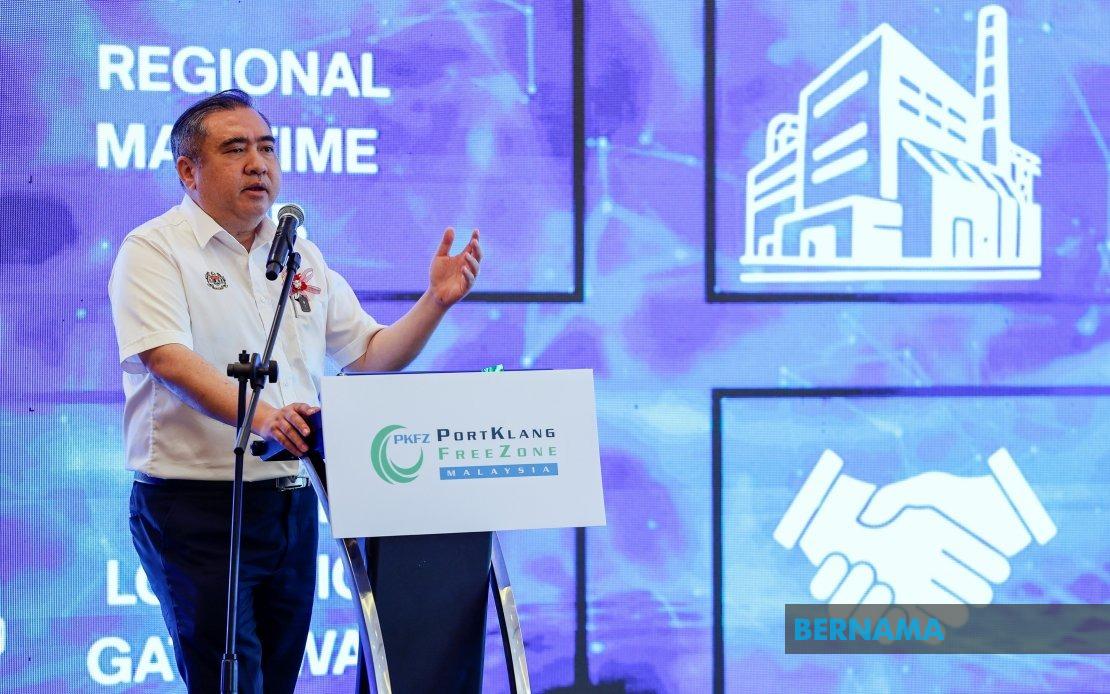
The broader context of Port Klang development activity provides encouraging signals about infrastructure momentum in Malaysia. During a ceremony this week, Loke inaugurated several ancillary projects within the Port Klang Free Zone including the Wisma Golden Horse centralised labour quarters facility, new manufacturing plants from Suntek Materials and Golden Horse Rubber, and a smart industrial park initiative. These developments, collectively representing RM566 million in fresh investment, demonstrate investor confidence in the port precinct and suggest infrastructure improvements are progressing in parallel with the third terminal planning.
The project also intersects with Malaysia's broader maritime competitiveness strategy at a moment of regional economic flux. Vietnam and Thailand have invested heavily in port modernisation, while Singapore continues leveraging its geographic advantages and operational excellence. For Malaysian policymakers, Port Klang's expansion capacity directly influences the nation's ability to capture transshipment volume and attract container liner services in a fiercely competitive marketplace. A modern third terminal with contemporary container-handling technology and adequate draft for mega-ships addresses these concerns directly.
Beyond cargo operations, the third terminal project carries employment implications that extend into Malaysia's skilled workforce planning. Transport Minister Loke separately highlighted that PKFZ signed a memorandum of understanding with the Armed Forces Ex-Servicemen's Affairs Corporation (Perhebat) to channel military retirees into port and logistics roles. This initiative, witnessed by Deputy Prime Minister Datuk Seri Dr Ahmad Zahid Hamidi, addresses acknowledged shortages of heavy vehicle drivers and skilled logistics personnel across the haulage sector. The government has simultaneously launched a special licensing programme enabling military veterans to obtain class E heavy vehicle licenses, demonstrating joined-up policy thinking connecting infrastructure development with human capital strategy.
The timeline for resolving the land issue remains unspecified, though Transport Ministry statements suggest officials expect clarity within months rather than years. Selangor officials and federal counterparts must finalise arrangements with PKNS and Yayasan Selangor, potentially including lease agreements or land transfers structured to accommodate the Build-Operate-Transfer concession framework. Once these foundational matters are settled, the procurement process for private sector concessionaires can proceed, followed by detailed design and permitting phases.
For Malaysian businesses and supply chain operators, the third terminal represents a medium-term opportunity to enhance logistics efficiency and reduce port congestion that periodically constrains trade flows. Regional shippers and freight forwarders monitor Port Klang's capacity closely, as delays or congestion at Malaysia's primary container gateway affect competitiveness across Southeast Asia's manufacturing and export sectors. A functioning third terminal, potentially operational within four to five years of construction commencement, would address capacity constraints anticipated in Malaysia's current port master planning framework.
The success of this project ultimately depends on resolving the land ownership configuration in ways that satisfy all stakeholders while maintaining momentum toward construction. The government's explicit commitment to completing land settlement before proceeding suggests authorities recognise that uncertainty on this front could derail the entire initiative or invite costly legal disputes during construction. By addressing the ownership question methodically and transparently, Selangor officials and their federal counterparts can position the third terminal for timely realisation, thereby advancing Malaysia's maritime economic ambitions during a critical period of regional competition.