The Selangor government is ramping up efforts to reach out to non-pensioned military and police veterans who have yet to claim their Warriors' Day shopping vouchers, with officials concerned that many beneficiaries remain unaware of the initiative or unable to access it. The RM200 vouchers, part of a broader appreciation programme by the state, expire on August 31, leaving just weeks for eligible veterans to complete their applications and utilise the benefit at participating supermarkets.
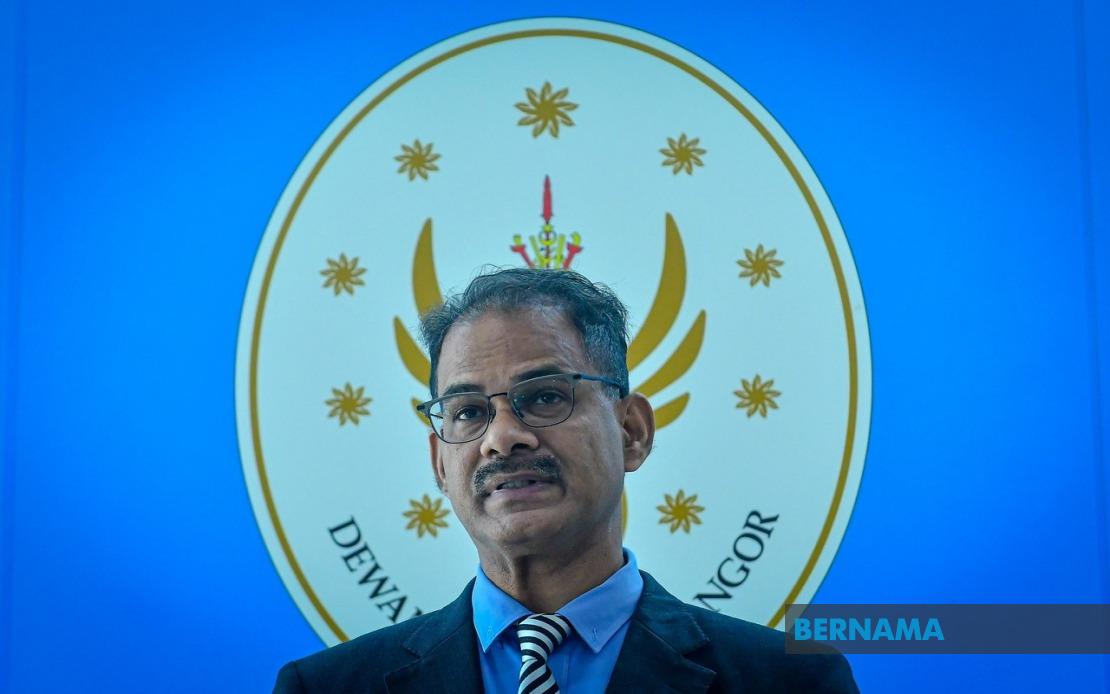
V. Papparaidu, chairman of the Human Resources and Poverty Eradication Committee, revealed that the uptake has been disappointingly low since the programme launched on July 29. With merely 500 claims processed against a pool of 8,391 eligible non-pensioned armed forces and police veterans identified through official Department of Veterans Affairs and Royal Malaysia Police records, the Selangor government is now actively trying to contact those who have not yet come forward. The sluggish response suggests that communication barriers, outdated contact information, and geographic displacement among the veteran community have created obstacles to accessing the benefit.
The challenges in reaching eligible recipients have prompted state officials to take a more flexible approach to claims processing. Papparaidu indicated that the government has relaxed its procedures to allow family members, representatives, and next-of-kin to collect vouchers on behalf of named recipients, recognising that many veterans may have relocated, changed their contact details, or face mobility constraints. This accommodation reflects a pragmatic understanding of the demographic realities facing Malaysia's non-pensioned veteran population, many of whom may no longer maintain regular contact with government agencies.
Crucially, the programme operates on an automatic eligibility framework rather than requiring individual applications. The recipients were pre-selected by state authorities based on comprehensive lists submitted by the Department of Veterans Affairs and the Royal Malaysia Police, which were then cross-referenced and verified by the Selangor Economic Planning Unit and individual State Legislative Assembly service centres. This streamlined approach eliminates the bureaucratic burden of formal applications, yet awareness and accessibility remain persistent challenges in translating policy intentions into actual benefit realisation.
The RM1.7 million allocation supporting this initiative represents a meaningful investment in veteran welfare, distributed through 56 State Legislative Assembly service centres across Selangor. The vouchers can be redeemed at participating supermarkets for essential daily necessities, with explicit exclusions for cigarettes and alcoholic beverages, positioning the benefit as targeted support for basic living expenses rather than discretionary spending. For non-pensioned veterans facing economic pressures, such direct purchasing power can provide tangible relief from regular household costs.
The Warriors' Day shopping voucher programme sits within Selangor's broader commitment to veteran appreciation and welfare support. State officials frame the initiative not merely as financial assistance but as a symbolic recognition of the contributions made by former military and police personnel to national security and development. This rhetorical positioning reflects the state government's attempt to strengthen its relationship with the veteran community, a demographic group that carries significant political and social weight in Malaysian society.
Non-pensioned armed forces and police veterans represent a distinct and often overlooked segment within Malaysia's broader veteran population. Unlike their pensioned counterparts who receive regular retirement benefits, non-pensioned veterans typically exited service without formal financial security arrangements, placing many in economically vulnerable positions. They frequently lack consistent engagement with government support systems and may have limited awareness of available assistance programmes, making outreach initiatives particularly important for addressing welfare gaps.
The deadline extension offers another window for eligible veterans to access the benefit, with the state government emphasising that no complex documentation or formal applications are required. Veterans and their families need only visit their respective State Legislative Assembly service centres with identification and the necessary verification completed offline. This accessibility design reflects lessons learned from previous programmes where bureaucratic complexity deterred eligible beneficiaries from claiming support to which they were entitled.
For Malaysian policymakers and the broader Southeast Asian region, the Selangor initiative offers insights into the challenges of veteran support delivery in developing economies. Effective welfare programmes require not only adequate funding and clear eligibility criteria but also robust communication mechanisms and flexible claims processes that accommodate the real circumstances of beneficiary populations. The relatively low uptake despite nearly complete pre-qualification suggests that communication gaps represent a significant barrier to welfare access in the Malaysian context.
The Selangor government's adaptive response—permitting representatives to claim on behalf of recipients and conducting proactive outreach—demonstrates operational flexibility in response to implementation challenges. However, the persistent gap between eligible recipients and actual claims indicates deeper systemic issues in how government agencies maintain contact with dispersed, sometimes marginalised populations. Veterans who have relocated, changed careers, or reduced engagement with formal institutions may simply not receive government communications, falling outside the reach of standard notification channels.
As the August 31 deadline approaches, successful realisation of this programme will depend significantly on intensified field engagement by State Legislative Assembly service centres and community-based veteran organisations. Word-of-mouth promotion within veteran networks, partnerships with community groups serving former military personnel, and media outreach may prove essential to closing the gap between intended and actual beneficiaries. The final weeks will test whether Selangor's administrative flexibility can overcome the structural communication barriers that currently limit programme participation.
Looking beyond this immediate initiative, the Warriors' Day voucher scheme highlights the importance of veteran-focused welfare strategies in Malaysia's social development architecture. As the veteran population ages and faces varying economic circumstances, state governments must develop increasingly sophisticated approaches to identifying needs, maintaining contact with beneficiaries, and delivering assistance in forms that genuinely enhance wellbeing. The Selangor experience underscores that programme design excellence alone is insufficient without corresponding excellence in beneficiary communication and claims accessibility.

