The Selangor Islamic Religious Council (MAIS) has formally clarified that permission to hold Friday prayers at the musala located within IOI City Mall in Putrajaya was officially granted beginning September 6, 2024. The approval followed a formal assessment and recommendation by the Selangor State Mosque and Surau Governance Committee (JATUMS), with the decision ultimately receiving the royal consent of Sultan Sharafuddin Idris Shah, the Sultan of Selangor.
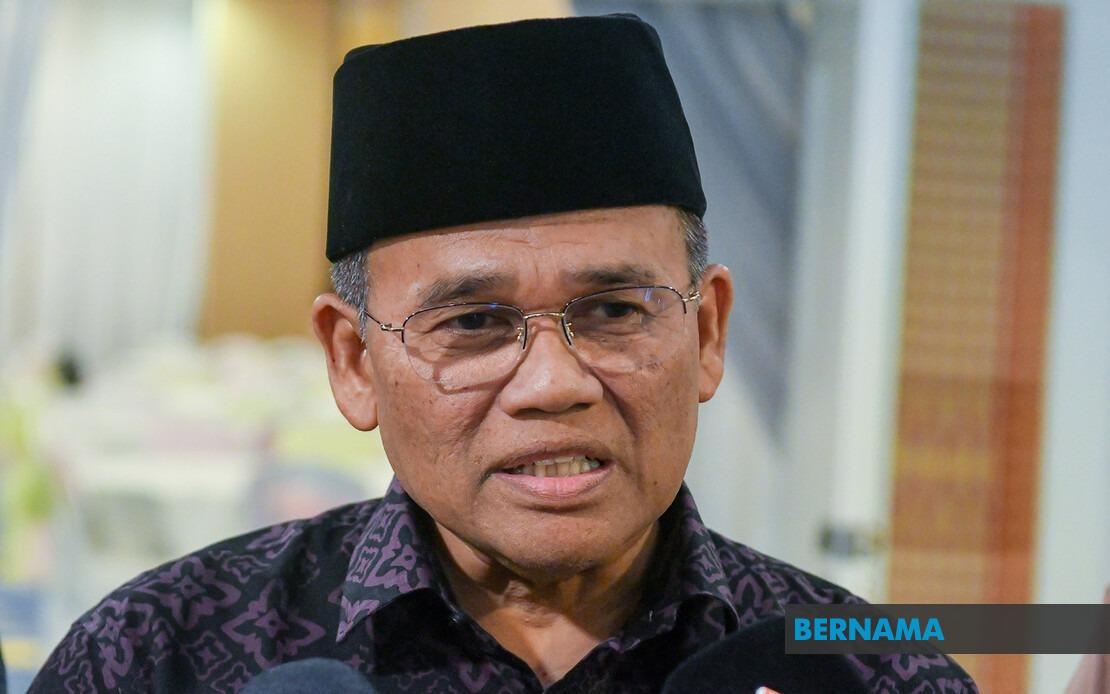
According to MAIS chairman Datuk Salehuddin Saidin, the decision to permit Friday prayers at the shopping centre's prayer facility was driven by practical necessity. The facility houses a substantial workforce of Muslim employees and attracts considerable numbers of Muslim visitors throughout the week, creating a genuine challenge for these individuals to access Friday prayer services at conventional mosque venues. This represents a pragmatic accommodation of contemporary urban worship patterns where large commercial complexes increasingly concentrate significant Muslim populations during business hours.
The geographical constraint formed a critical component of MAIS's reasoning. The two nearest dedicated mosques—Masjid Al-Mustaqim Kampung Dato' Abu Bakar Baginda and Masjid UNITEN in Kajang—are situated respectively at distances of approximately 7.6 and 7.7 kilometres from the IOI City Mall premises. For workers and visitors operating on tight schedules during the Friday midday prayer window, such distances effectively render these facilities inaccessible within the practical timeframe available for the prayer observance.
Beyond mere distance, capacity constraints compound the accessibility issue. Salehuddin's statement underscores that both existing mosques lack sufficient physical capacity to absorb the volume of congregants who would require Friday prayer facilities if they all attempted to access these venues simultaneously. This represents a documented shortage of mosque infrastructure in the Putrajaya and surrounding Selangor region relative to the Muslim population needing services in that corridor.
Crucially, MAIS has explicitly framed this approval as a temporary measure rather than a permanent solution. The authorization is conditional and will automatically terminate once a purpose-built mosque is constructed within reasonable proximity to the IOI City Mall premises and becomes operational. This sunset clause reflects the council's clear preference for dedicated mosque facilities over makeshift prayer spaces within commercial properties, acknowledging that while the musala serves an immediate functional need, it does not represent an ideal long-term arrangement for Islamic worship in the area.
The clarification becomes particularly significant in light of Datuk Salehuddin's earlier Tuesday statement, where he had indicated that Sultan Sharafuddin had not granted general permission for shopping centre surahs and musalas across Selangor to conduct Friday prayers. This created apparent confusion about whether IOI City Mall had actually received approval. The chairman's follow-up clarification resolves this apparent contradiction by confirming that while the state maintains a restrictive policy on shopping centre prayer spaces conducting Friday prayers, the IOI City Mall situation qualified for an exception based on documented circumstances of worker concentration, visitor volume, and geographic isolation from existing mosque facilities.
The distinction matters significantly for Malaysian Islamic governance and for commercial property operators throughout the region. The decision does not open a floodgate for shopping centres seeking to upgrade their prayer facilities to musala status with Friday prayer capabilities. Rather, it demonstrates that case-by-case assessment based on demographic need and infrastructure gaps can justify exceptions to the general principle. This nuanced approach allows religious authorities to accommodate genuine hardship while maintaining standards and preventing the wholesale conversion of commercial spaces into alternative prayer venues.
MAIS and the Selangor Islamic Religious Department (JAIS) have committed to maintaining oversight of how Friday prayers are administered at IOI City Mall. The council emphasizes that management and implementation will strictly adhere to Islamic jurisprudence and applicable Malaysian legal frameworks, ensuring that religious protocols are observed and worshippers' interests are protected. This supervisory commitment reflects the councils' responsibility for maintaining standards of Islamic practice across all authorized venues in the state.
For Southeast Asian observers, the IOI City Mall decision illuminates how Muslim-majority jurisdictions navigate the intersection of urbanization and religious practice. As commercial districts and shopping complexes increasingly become gathering points for large populations, particularly in petrochemical and administrative hubs like Putrajaya, religious authorities face practical questions about where and how congregational worship can occur. This case demonstrates that rather than rigidly maintaining traditional mosque-centric models, progressive Islamic governance in Malaysia can incorporate pragmatic accommodations without compromising religious standards or abandoning long-term infrastructure development goals.
The temporary nature of the approval also signals that Selangor authorities anticipate planned mosque construction near the IOI City Mall complex. This suggests coordination between religious authorities and urban planners regarding future infrastructure needs in the Putrajaya region. The commitment to developing permanent facilities rather than accepting shopping centre musalas as permanent solutions reflects a sophisticated understanding that sustainable religious accommodation requires dedicated infrastructure investment, not merely provisional arrangements.
For Muslim workers and visitors to IOI City Mall, the approval removes a significant logistical obstacle to fulfilling one of Islam's five foundational pillars. The decision acknowledges that modern economic geography does not always align neatly with traditional mosque distribution patterns. Workers concentrated in business parks and commercial zones during standard business hours should have accessible means to observe their religious obligations, even if those accommodations are temporary way-stations toward comprehensive infrastructure solutions.

