Selangor is making significant headway in formally recognising its indigenous settlements, with more than half of the state's 74 listed indigenous villages now undergoing gazetting procedures. The development represents a major step toward securing land rights for communities that have historically faced tenure uncertainty in the state. Selangor's human resources and poverty eradication committee chairman V. Papparaidu expressed optimism that the process would yield tangible results by the conclusion of this year, signalling the state government's commitment to resolving a longstanding issue affecting vulnerable populations.
The gazetting initiative carries particular weight in Selangor, where indigenous communities have navigated complex administrative and legal hurdles to establish formal recognition of their settlements. Papparaidu acknowledged during remarks at the Jelajah Wanita Berdaya Tahan Selangor 2026 programme in Hulu Selangor that the undertaking extends beyond mere bureaucratic procedures—it addresses fundamental questions of land security and community stability. The state government's systematic approach to processing gazetting applications reflects growing recognition of indigenous land rights as a social policy priority, aligning with broader regional movements toward safeguarding indigenous interests.
Land zoning complications present a significant obstacle to completing the gazetting process across all identified villages. Several indigenous settlements occupy areas designated as Malay reserved lands under state legislation, creating overlapping claims and administrative complications that demand careful coordination. Rather than allowing these conflicts to stall progress, Selangor authorities have committed to working alongside district officers to untangle these disputes methodically. The approach acknowledges that sustainable resolution requires dialogue between multiple stakeholders, including traditional authorities responsible for administering reserved land designations, indigenous community representatives, and state administrative bodies.
Beyond the technical challenges of gazetting existing settlements, Selangor intends to expand its efforts to encompass indigenous villages not yet included on the official register. This broader ambition reflects recognition that the current list of 74 villages may not capture the full extent of indigenous settlement across the state. By actively identifying and processing additional communities, Selangor could substantially increase the scope of land tenure security work beyond its present baseline. The proactive stance suggests that officials view gazetting not as a bounded administrative task but as part of a longer-term commitment to indigenous land rights across the state.
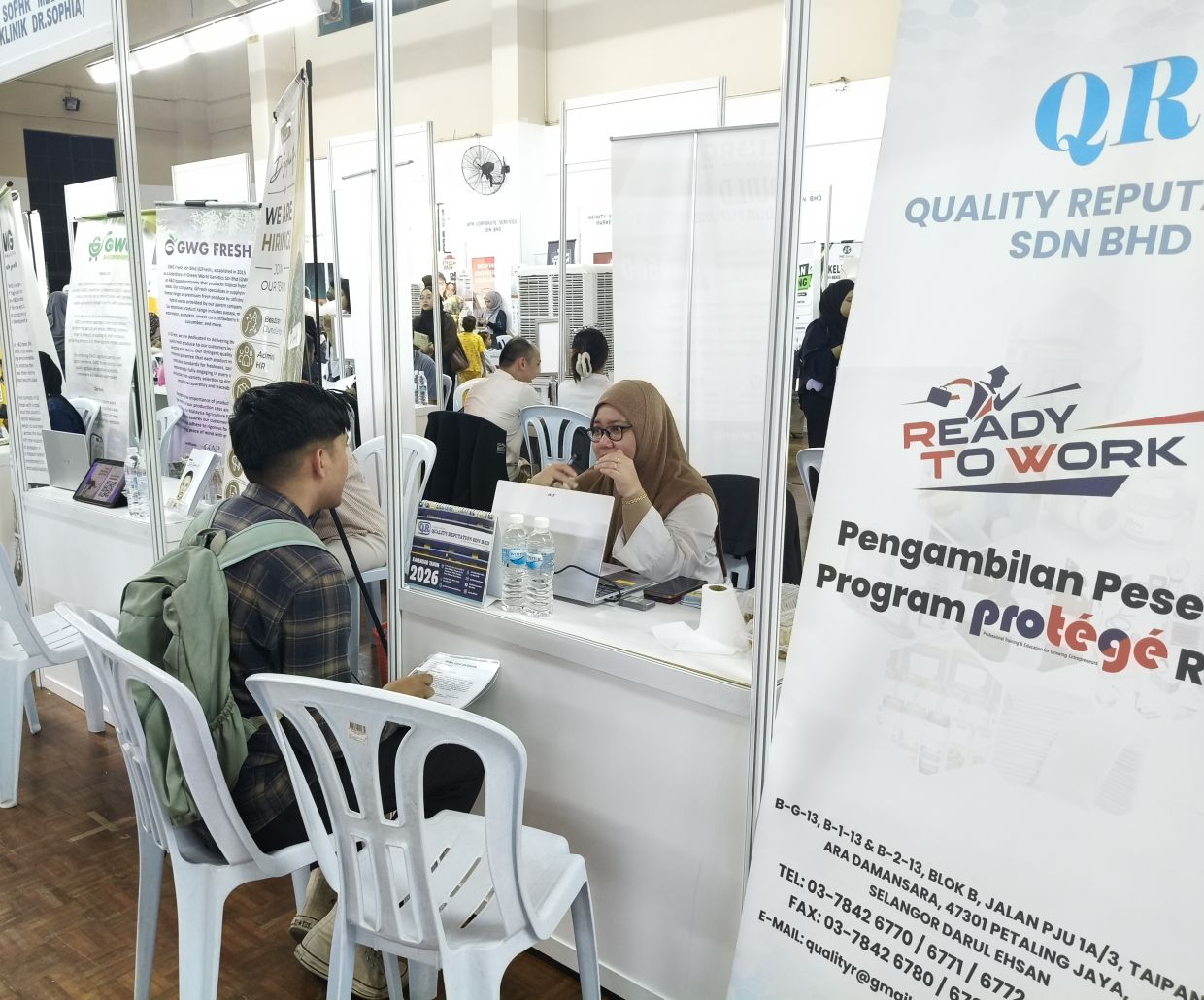
Papparaidu's remarks came during a broader employment-focused event that underscored the state government's simultaneous attention to economic opportunity for vulnerable populations. The JobCare Selangor job carnival attracted 5,785 job openings from 38 participating employers, demonstrating substantial labour market demand across multiple sectors and geographic locations. Manufacturing emerged as the dominant employment category, accounting for 2,560 vacancies and reflecting Selangor's continued role as the nation's industrial engine. The concentration of manufacturing opportunities aligns with the state's historical economic profile but also highlights the ongoing importance of industrial employment for workers seeking stable income in the region.
Remuneration levels advertised at the carnival indicated broadly competitive wages across the labour market. Nearly two-thirds of positions offered monthly compensation exceeding RM2,500, a figure above Malaysia's median salary and suggesting reasonable earning potential for job seekers. Management-level roles commanded substantially higher compensation, with monthly salaries ranging between RM8,000 and RM10,000, reflecting the premium placed on supervisory and administrative expertise. The salary distribution across the carnival's offerings suggests that pathways exist for workers to progress toward higher-income positions, though advancement typically requires formal qualifications or professional experience.
Geographic distribution of employment opportunities extended beyond Selangor itself, with nearly 900 positions located in neighbouring Perak and Negri Sembilan. This regional dimension reflects broader labour market integration across the central corridor of Peninsular Malaysia, where manufacturing hubs and supply chains operate across state boundaries. Workers in the Selangor region therefore access employment opportunities across a wider geographic footprint than their immediate locality, potentially expanding their career options. The cross-state nature of job availability also illustrates how economic integration among neighbouring states creates larger, more diversified labour markets.
Skills development initiatives represent a complementary component of Selangor's strategy to improve employment outcomes and economic security for residents. The Selangor Technical Skills Development Centre provides training programmes designed to equip young people with marketable competencies in growing sectors. More notably, the state government has undertaken targeted intervention to assist school teachers who entered the profession without formal tertiary qualifications, a cohort that had likely joined the education workforce immediately after completing secondary schooling due to family circumstances or economic necessity. Through a three-month intensive programme, approximately 20 to 30 teachers obtained Level 4 Malaysian Skills Certificates, equivalent to diploma-level qualifications, substantially enhancing their professional standing and earning potential.
The teacher qualification initiative demonstrates how targeted skills interventions can address specific demographic challenges within the workforce. Educators who obtained their qualifications through the compressed pathway now possess credentials that command higher salaries, directly improving their household economic security. This programme also addresses a systemic challenge in Malaysia's education sector, where historical hiring practices sometimes prioritised immediate staffing needs over formal credential requirements. By retrospectively supporting teachers through qualification pathways, Selangor has provided a model for workforce upgrading that could extend to other professions facing similar credential gaps.
The JobCare carnival incorporated additional support mechanisms beyond job placement itself, recognising that effective labour market participation requires multifaceted assistance. Talent Corporation Malaysia Berhad operated a career comeback programme specifically targeting mothers returning to the workforce, addressing a documented challenge in Malaysian labour participation where caregiving responsibilities often interrupt women's employment. The Social Security Organisation provided resume review services, offering practical guidance on presenting qualifications and experience effectively to prospective employers. These supplementary services acknowledge that job availability alone does not guarantee successful employment transitions, and that targeted support mechanisms can meaningfully improve outcomes for workers facing specific barriers.
Selangor's parallel focus on indigenous land rights and employment opportunity reflects an integrated approach to poverty reduction and community development. While gazetting indigenous villages addresses foundational questions of asset security and tenure stability, employment initiatives tackle the immediate income-generation challenges facing residents. Indigenous communities in Selangor, like other vulnerable populations, require both long-term institutional protections regarding land and resources, and short-term pathways to employment and economic participation. The state government's simultaneous advancement on multiple fronts suggests recognition that sustainable poverty reduction requires multidimensional intervention rather than singular policy focus.
The initiatives announced by Papparaidu carry implications extending beyond Selangor itself. As Malaysia's most economically developed state, Selangor's approaches to indigenous land security and inclusive economic participation potentially influence policy directions across other states. Federal policymakers monitoring these developments may draw lessons regarding feasible mechanisms for gazetting indigenous settlements while managing overlapping land claims, and effective methods for extending skills development to underqualified workers already embedded in professional roles. Neighbouring states facing similar challenges with indigenous communities and employment outcomes may adapt Selangor's operational frameworks to their own contexts, creating ripple effects across the broader region.

