Education Minister Fadhlina Sidek has moved to reassure teachers that Malaysia's new School Pupil Protection Policy is designed to strengthen the overall safety ecosystem in schools rather than shift sole responsibility for child welfare onto their shoulders. Speaking through a public statement, the minister emphasised that the policy establishes clear protocols defining what each party—from school administrators to external government agencies—must do when pupil safety concerns emerge, creating a collaborative rather than adversarial framework.
The distinction is important for Malaysian educators, who have expressed apprehension about potential liability under the new measures. Fadhlina's clarification addresses a widespread concern that teachers might face legal consequences or professional censure for failing to identify abuse or welfare issues. Instead, the minister framed the policy as a protective mechanism that outlines transparent procedures for reporting and responding to incidents, with each stakeholder playing a defined role in the safety chain.
Central to the policy's philosophy is the principle of early reporting without requiring absolute certainty. Teachers are not expected to investigate thoroughly or gather conclusive evidence before escalating concerns to school administrators. The framework permits—and indeed encourages—reports based on reasonable suspicion, shifting the investigative burden to trained professionals within the education system and external agencies better equipped to assess and act on such matters. This approach reduces the pressure on classroom educators while ensuring that potential threats to pupil safety receive timely attention.
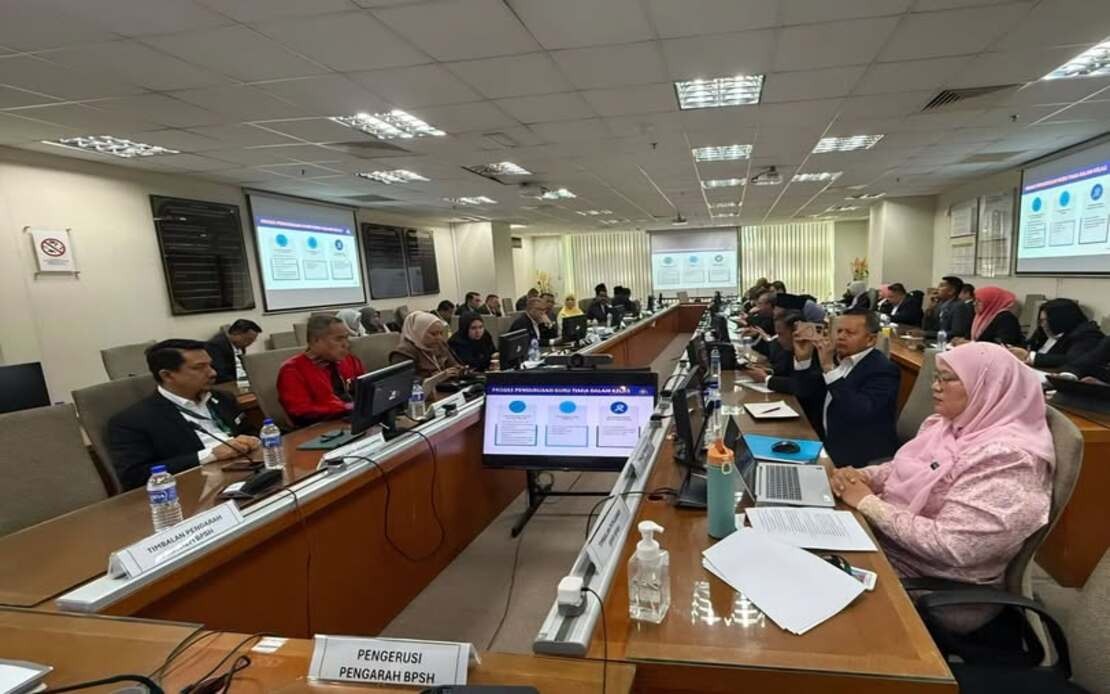
The Ministry of Education has already embarked on an extensive engagement campaign to ensure stakeholders understand their respective obligations. Sessions have been conducted with the National Union of the Teaching Profession, the Human Rights Commission of Malaysia, the United Nations Children's Fund, and various civil society organisations. These discussions serve a dual purpose: they allow educators to voice concerns about implementation and interpretation, while providing clarity on the practical mechanics of reporting and case management.
Beyond schools themselves, the safety ecosystem encompasses a broader network of institutions. The State Education Departments and District Education Offices coordinate responses within the education sector, while external partners including the Royal Malaysia Police and the Social Welfare Department bring specialised expertise. This multi-agency approach prevents the fragmentation that can occur when institutions operate in isolation, ensuring that cases are handled comprehensively rather than piecemeal.
A key innovation in the policy is its emphasis on coordinated case management to prevent repeated trauma. Once a report is lodged, relevant authorities assess the matter's nature and severity, determining appropriate next steps—which may include formal investigation, counselling referrals, or intervention by social services. By centralising this coordination, the system aims to spare pupils from retelling their experiences to multiple officials or experiencing contradictory interventions that can compound psychological harm.
Fadhlina acknowledged that a single policy document cannot address every conceivable scenario educators may encounter. Recognising this limitation, the ministry has committed to sustained engagement with teachers throughout the implementation phase. These ongoing sessions serve to build confidence among educators, clarify the boundaries of their responsibilities, and ensure that teachers understand precisely when and how to activate the reporting mechanism when confronted with indicators of abuse, neglect, or welfare concerns.
Another crucial reassurance concerns legal protection and institutional support. The minister pledged that the Ministry of Education will not abandon teachers who act in good faith under the policy's provisions. This includes providing legal assistance where appropriate, removing a significant source of anxiety for educators worried about personal liability. The policy's design explicitly rejects the notion of scapegoating teachers or using the framework to assign blame for systemic failures, instead positioning educators as the first protective line within a comprehensive support structure.
For Malaysian schools, the policy represents a philosophical shift from viewing child protection as primarily a teacher responsibility to understanding it as a community-wide obligation. Teachers remain crucial to this ecosystem—their daily contact with pupils makes them essential observers and reporters—but their role is circumscribed and supported rather than expansive and isolated. This calibration addresses a persistent challenge in child safeguarding: ensuring that frontline professionals report concerns while not creating unrealistic expectations about their capacity to diagnose, investigate, or resolve complex welfare situations.
The implementation timeline and assessment mechanisms remain matters requiring clarification. How effectively schools operationalise the policy, whether training adequately reaches all educators, and whether inter-agency coordination functions smoothly in practice will determine whether the framework achieves its protective intent or devolves into bureaucratic complexity. Fadhlina's emphasis on continued engagement signals recognition that translating policy into effective school practice requires sustained dialogue with implementers.
Regionally, Malaysia's approach reflects broader Southeast Asian efforts to strengthen child protection frameworks. Countries across the region are similarly grappling with how to operationalise safeguarding policies without overwhelming teachers or creating parallel systems that duplicate effort. The Malaysian model's emphasis on stakeholder coordination and shared responsibility may offer insights for neighbouring nations developing comparable policies.
For parents and civil society organisations focused on child welfare, the policy signals governmental commitment to institutionalising protection mechanisms. However, its success ultimately depends on consistent funding for training, adequate staffing in District Education Offices and Social Welfare Department units, and genuine inter-agency cooperation rather than territorial protectiveness. Fadhlina's framing as a shared ecosystem rather than individual accountability suggests the ministry understands these prerequisites, though translating this understanding into sustained resource allocation remains an ongoing challenge.

