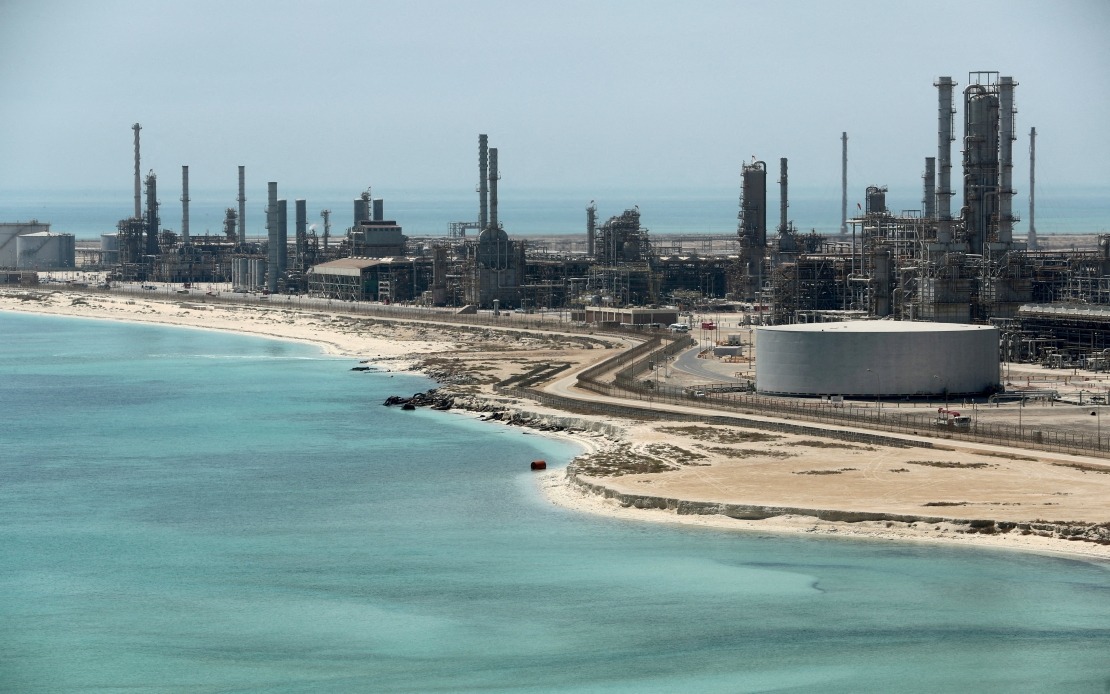
A helicopter operated by Saudi Aramco went down in the Ras Tanura region on Sunday morning at around 6 am local time, according to an announcement from Saudi Arabia's Ministry of Energy. The aircraft was carrying 14 people, all of whom were Saudi nationals, and none survived the crash. The kingdom's authorities have initiated a comprehensive inquiry to establish the circumstances that led to the accident.
Ras Tanura occupies a strategically crucial location on Saudi Arabia's eastern shoreline along the Persian Gulf. The coastal city functions as one of the nation's most significant petroleum processing and shipment centers, making it a focal point for the country's oil infrastructure. The presence of a major industrial facility in the area underscores the potential significance of any incident occurring there, particularly one involving loss of life among workers engaged in critical energy operations.
The Ministry of Energy released a formal statement extending heartfelt condolences to the families of those who perished in the tragedy. Officials offered prayers for divine mercy and forgiveness for the deceased, recognizing them according to Islamic tradition. The tone and language of the ministry's response reflected the gravity with which the incident was being treated at the highest levels of government.
Investigations into aviation accidents in Saudi Arabia typically involve multiple agencies coordinating to determine technical failures, human error, weather conditions, or other contributing factors. The comprehensive nature of such inquiries is essential given the potential implications for ongoing operations at facilities like Ras Tanura, where safety protocols affect not only workers but also regional energy markets. Preliminary findings often take weeks or months to emerge as investigators examine wreckage, maintenance records, and flight data.
For observers across Southeast Asia and the broader international energy market, incidents affecting Saudi oil infrastructure warrant close attention. Saudi Aramco remains one of the world's largest and most consequential petroleum producers, and any disruption to its operations—whether through accidents, infrastructure damage, or personnel losses—can ripple through global energy prices and supply chains. Malaysia, as a significant oil and gas producer itself, maintains keen interest in developments affecting major regional and global energy players.
The death toll of 14 represents a substantial loss of personnel within what is presumably a specialized workforce. Helicopter operations supporting oil and gas facilities require highly trained crews and support staff, making such incidents particularly consequential for industrial operations. The human cost extends beyond the immediate tragedy to the bereaved families and the broader workforce operating in the demanding energy sector.
Saudi Arabia maintains rigorous safety standards for industrial operations, particularly in the oil and gas sector, which forms the backbone of the national economy. However, helicopter operations in maritime and industrial environments inherently carry elevated risk factors compared to civilian aviation. Variables including weather patterns in the Gulf region, mechanical stress on equipment operating in harsh environments, and the complex logistics of offshore or near-shore operations all contribute to accident risk despite stringent protocols.
The timing of the incident and the composition of those aboard suggest this was likely a routine operational flight supporting activities at the refinery or related facilities. Such flights are integral to the functioning of major energy hubs, transporting personnel, equipment, and supplies between shore-based facilities and offshore installations. The regularity of such operations, while economically essential, means that any accident affecting them resonates throughout the sector.
For Malaysian readers with interests in regional energy security and business operations, this incident serves as a reminder of the hazards inherent in petroleum industry work. The Kingdom's oil sector remains integral to Middle Eastern geopolitics and global energy stability. Understanding the human dimensions of energy infrastructure—including the risks faced by workers and the consequences of operational accidents—provides important context for discussions about energy policy, supply chain resilience, and occupational safety standards across the region.
The investigation's eventual findings may yield insights valuable not only to Saudi operators but to energy companies throughout Southeast Asia and globally. Regulatory bodies and safety management teams monitor such incidents closely for lessons that might prevent similar tragedies. Until the investigation concludes, the focus remains on supporting the bereaved families and reflecting on the inherent dangers facing those who work in the energy sector that powers modern economies.

