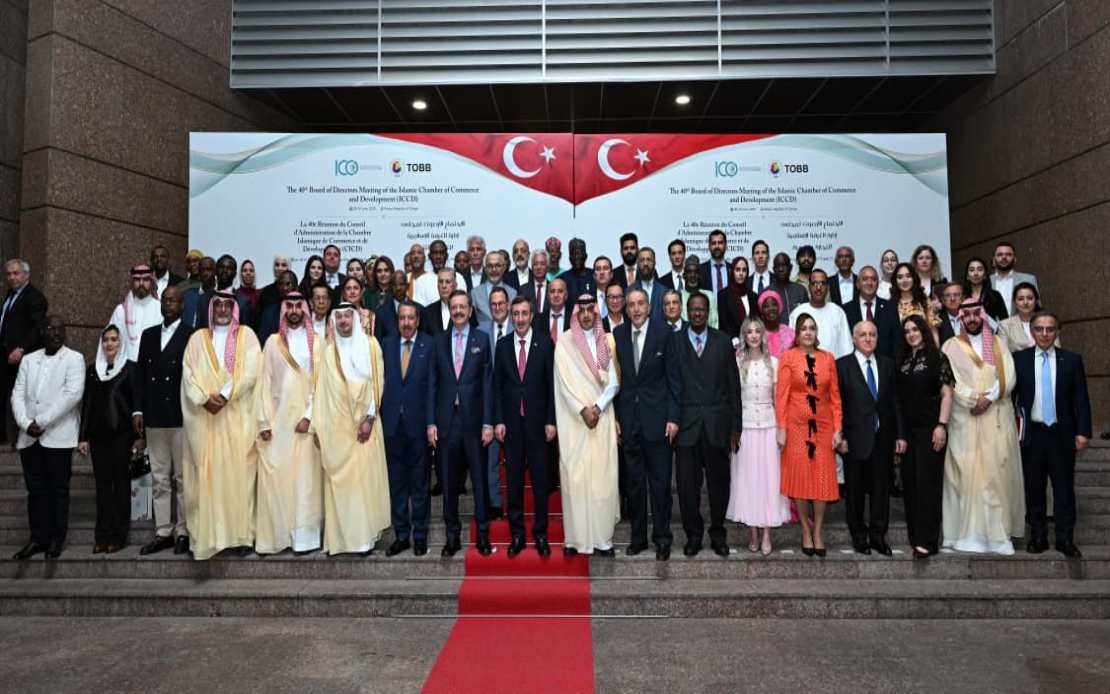
Saudi Arabia's private sector leadership has renewed calls for intensified economic cooperation across the Islamic world, with particular emphasis on forging closer commercial ties with major Muslim-majority economies such as Malaysia and Indonesia. The appeal emerged during high-level discussions at the 40th Board of Directors Meeting and 72nd Finance Committee Meeting of the Islamic Chamber of Commerce and Development (ICCD), held in Ankara, Turkiye. Abdullah Saleh Kamel, who chairs the Federation of Saudi Chambers and leads the ICCD, underscored the strategic importance of deepening trade links among Islamic nations as a pathway toward shared prosperity.
The Saudi position reflects the Kingdom's longstanding commitment to the ICCD, which it has backed substantially since the organization's inception. By positioning itself as a leading advocate for Islamic economic integration, Saudi Arabia is reasserting its role as a bridge-builder among Muslim-majority nations. This engagement carries particular weight given Riyadh's economic heft and its influence within regional and global commerce. The messaging signals that the Kingdom views multilateral cooperation within the Islamic world not merely as a charitable endeavor, but as a pragmatic economic strategy aligned with its broader development objectives.
For Malaysia and Indonesia, Saudi Arabia's overture opens fresh avenues for bilateral and multilateral trade arrangements. Both Southeast Asian nations represent dynamic, youthful markets with significant growth potential, yet they often remain underutilized within broader Islamic economic frameworks. Malaysia, in particular, holds advantages as a global Islamic finance hub and a gateway to Asia-Pacific markets, making it an attractive partner for Saudi investors and businesses seeking regional expansion. Indonesia's vast population and resource wealth similarly position it as a critical player in any serious effort to strengthen intra-Islamic commerce.
The ICCD's focus on youth entrepreneurship and private-sector development addresses a critical challenge across the Muslim world. Youth unemployment and limited access to capital remain persistent obstacles to economic dynamism in many Islamic nations. By emphasizing young people and entrepreneurs, the organization acknowledges that sustainable growth depends on empowering the next generation of business leaders. For Malaysia and Indonesia, both countries with substantial youth populations, this agenda directly aligns with domestic priorities around job creation and skills development.
Food security and sustainable agriculture have emerged as central concerns within the ICCD's framework, reflecting broader regional anxieties about supply chain vulnerabilities and climate impacts. Malaysia and Indonesia are significant agricultural producers with expertise in tropical farming, palm cultivation, and seafood production. Enhanced cooperation in these sectors could help stabilize food supplies across the Islamic world while creating new export opportunities. However, such collaboration must be carefully calibrated to ensure environmental sustainability and compliance with international best practices, particularly given ongoing scrutiny of agricultural practices in both Southeast Asian nations.
Regional trade connectivity forms another pillar of the proposed cooperation framework. Malaysia's position as a major shipping hub and its extensive free trade agreements make it well-positioned to facilitate enhanced commerce among Islamic nations. Reducing tariffs, harmonizing standards, and streamlining customs procedures between member states could significantly boost the volume and efficiency of intra-Islamic trade. For Malaysia, which depends heavily on trade, any expansion of preferential trading arrangements within the Islamic world could yield tangible economic benefits.
The ICCD's upcoming golden jubilee celebration in 2027 signals that the organization is gearing up for an expanded mandate. This milestone offers an opportunity for member nations, particularly those like Malaysia that possess technical and financial capacity, to reshape the institution's strategic direction. The 50-year marker could catalyze new initiatives, enhanced funding mechanisms, and more binding commitments to economic integration targets.
Saudi Arabia's advocacy for Islamic economic integration must be understood within the context of global economic fragmentation. As Western-led trade frameworks face increasing scrutiny and regional alternatives gain traction, the Kingdom appears intent on positioning Islamic commerce as a credible counterweight. For Malaysia, sitting at the intersection of Islamic finance and Asian commerce, navigating these geopolitical currents requires careful diplomacy. Deepening ties with Saudi Arabia and other Islamic economies need not come at the expense of existing partnerships with non-Muslim nations, but strategic choices will inevitably emerge.
The emphasis on economic cooperation among Muslim-majority nations reflects a pragmatic understanding that shared religious identity, while important, must be underpinned by tangible commercial interests and mutually beneficial outcomes. Malaysia's track record in Islamic finance and its reputation as a moderate, business-friendly nation position it as a natural leader within any such framework. However, translating rhetorical calls for cooperation into concrete trade agreements and investment flows requires sustained engagement, institutional reform, and demonstrated political will from all participating nations.
Moving forward, Malaysian policymakers should monitor ICCD developments closely and consider how the nation's unique strengths in Islamic finance, maritime trade, and food production can be leveraged within expanded Islamic economic cooperation frameworks. Engagement with Saudi Arabia and other Gulf economies on these terms could diversify Malaysia's economic partnerships while supporting development goals across the Muslim world.

