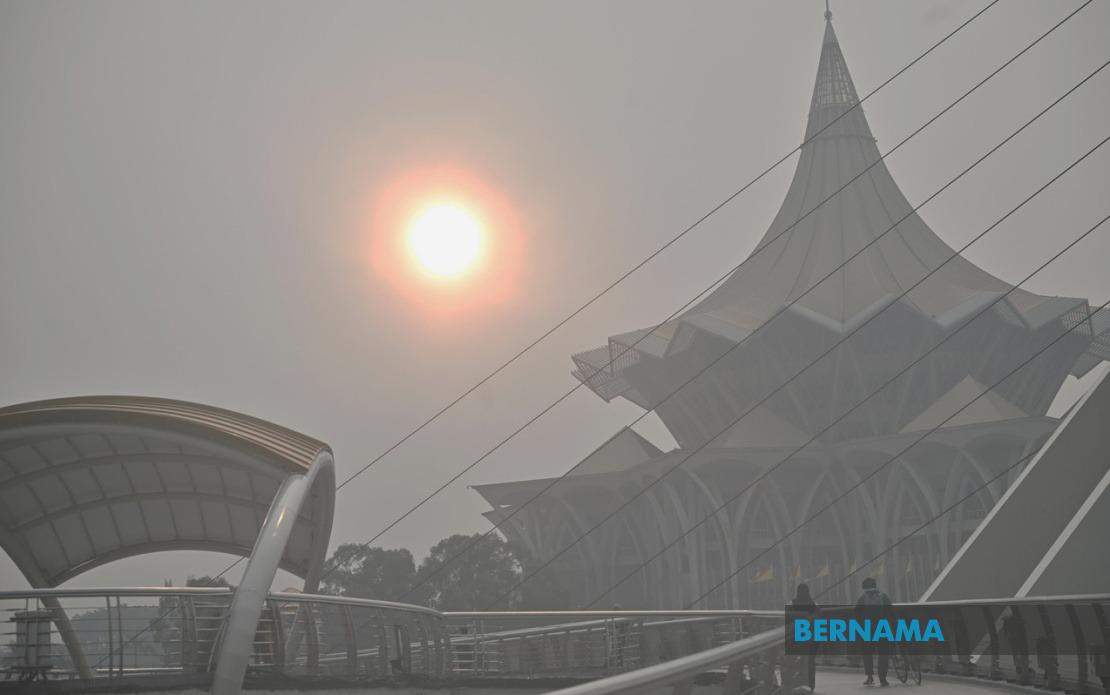
Childcare centres across Sarawak face mandatory closure once the Air Pollutant Index climbs to 200, marking a critical threshold in the state's response to seasonal haze pollution. The decision, endorsed by the Sarawak Disaster Management Committee, represents a proactive stance to insulate the youngest and most vulnerable members of society from the respiratory and developmental dangers posed by severe air quality deterioration. Women, Family and Community Development Minister Datuk Seri Nancy Shukri confirmed the policy on August 22, emphasising that protecting children from hazardous air conditions remained a top priority for the state government.
The rationale behind the closure directive centres on safeguarding children's physical wellbeing during periods of extreme air pollution. Haze exposure carries particular risks for young children, whose lungs are still developing and whose respiratory systems prove more susceptible to airborne irritants. Beyond immediate health consequences such as coughing, wheezing, and exacerbated asthma symptoms, prolonged exposure can trigger complications including pneumonia and bronchitis. The policy acknowledges that children represent a uniquely vulnerable population requiring heightened protection during environmental crises.
This closure framework aligns with the National Haze Action Plan and operates under protocols established by the Sarawak Education Department. The August 12 announcement from the SDMC specified that schools, kindergartens, and childcare facilities would all face simultaneous shutdowns when API levels reach the 200 mark, classified as "very unhealthy" under Malaysia's air quality measurement system. This coordinated approach ensures consistency across educational and childcare institutions, preventing the piecemeal closures that might create confusion or leave gaps in coverage.
The timing and scope of such measures reflect lessons learned from previous haze episodes in Southeast Asia. When transboundary smoke from forest fires in Indonesia periodically blankets Malaysia, particularly during dry seasons, API readings frequently spike above hazardous thresholds. Sarawak, positioned on the northern edge of Borneo and geographically vulnerable to regional haze drift, has experienced significant air quality deterioration in past years, making preparedness measures increasingly necessary. Setting a clear API trigger point removes ambiguity and enables rapid implementation when conditions demand immediate action.
Minister Shukri acknowledged the significant logistical challenges such closures create for working parents, particularly those without extended family support or alternative childcare arrangements. The disruption to workplace schedules and parental employment represents a genuine hardship, and the minister recognised this tension between health protection and economic continuity. However, she deferred responsibility for addressing parental relief measures to individual state governments, positioning the issue as fundamentally a matter of state jurisdiction rather than a federal concern. This delegation reflects Malaysia's federal structure, wherein education and social policy implementation typically rest with state authorities.
The minister indicated that while the directive currently applies specifically to Sarawak, the framework could expand to other states should regional haze deteriorate and spread beyond current boundaries. This conditional approach suggests a flexible, responsive strategy that monitors conditions across Malaysian territory and activates closure protocols wherever air quality crosses into dangerous territory. Rather than imposing blanket national measures preemptively, the government adopts a geographically targeted approach calibrated to actual pollution levels in specific regions.
To prevent public confusion and misinformation during haze events, the minister stressed that all closure announcements would emanate through official channels controlled by state governments and relevant authorities. This emphasis on coordinated communication recognises that unclear or contradictory messaging during environmental emergencies can undermine public compliance and create panic. Official directives carrying the weight of government authority and delivered through recognised channels carry greater credibility than informal reports or social media speculation.
The API threshold of 200 represents the intersection between two public health imperatives: protecting vulnerable populations and maintaining broader social functionality. Readings between 101 and 200 fall into the "unhealthy" category, triggering health advisories and recommendations for members of sensitive groups to limit outdoor exposure. The jump to 200, however, signals entry into "very unhealthy" territory, where even the general population faces measurable health risks. Setting the closure trigger at this level rather than at lower API readings reflects a calculated risk assessment acknowledging that temporary disruptions to childcare services become justified only when pollution reaches genuinely severe levels.
For Malaysian readers and families living in Sarawak or other haze-prone regions, this policy carries immediate practical implications. Parents should familiarise themselves with API monitoring systems and understand the escalation sequence that precedes facility closures. Many childcare centres and schools now provide notification systems alerting families to impending closures, but parents bear responsibility for staying informed through official sources. Employers increasingly recognise haze-related closures as legitimate circumstances requiring flexible work arrangements or contingency planning, though individual workplace policies vary considerably.
The broader regional context underscores why such preparations matter for Malaysia. Transboundary haze stemming from Indonesian land clearances and agricultural burning represents an enduring environmental challenge affecting multiple Southeast Asian nations annually. While diplomatic efforts and bilateral agreements have yielded some improvements in monitoring and early warning systems, the fundamental vulnerability persists. Countries in the region increasingly adopt proactive public health measures rather than waiting passively for haze to dissipate naturally, as wind patterns and seasonal factors remain largely beyond immediate control.
Looking forward, the effectiveness of Sarawak's childcare closure policy depends substantially on complementary measures addressing broader air quality management. Investment in real-time API monitoring infrastructure, public awareness campaigns, and coordination with regional partners on transboundary pollution reduction all enhance the impact of closure protocols. The policy functions as a protective measure of last resort, acknowledging that even well-designed closure systems merely mitigate harm rather than eliminating the underlying pollution problem.
Ultimately, the Sarawak decision reflects a growing recognition across Malaysia that climate change and environmental degradation demand sophisticated public health responses tailored to specific vulnerability groups. Children, the elderly, and individuals with pre-existing respiratory conditions constitute priority populations requiring enhanced protection during environmental crises. By establishing clear, predetermined trigger points for protective action rather than making ad hoc decisions amid unfolding emergencies, governments improve response times and reduce the health burden on populations when air quality deteriorates.

