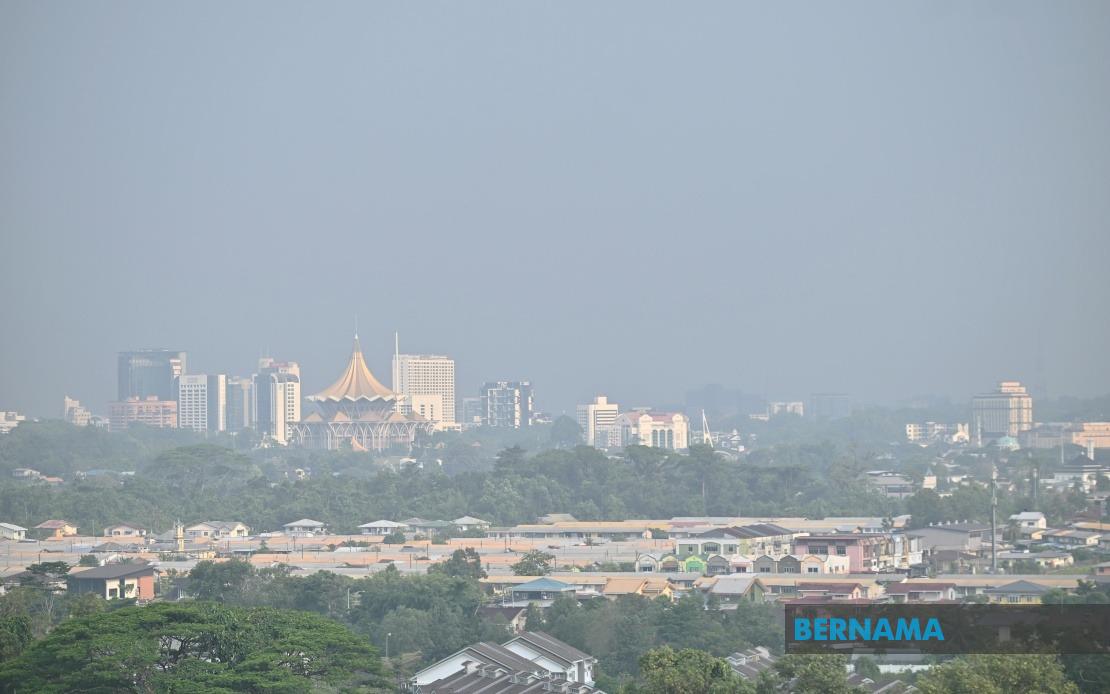
The Malaysian Meteorological Department has forecast that Sarawak and surrounding Borneo regions will experience an extended period of hot, dry weather lasting until August 20, creating mounting environmental challenges for the eastern Malaysian state. The prolonged spell represents a significant concern for air quality and visibility across the region, particularly in southern Sarawak where conditions are expected to be most severe.
According to MetMalaysia's statement issued on August 14, the persistent heat reflects the influence of southerly wind patterns combined with an elevated concentration of active hotspots across Borneo. This combination creates an environment particularly susceptible to haze formation, a recurring seasonal issue that affects both Sarawak and neighbouring jurisdictions. The meteorological conditions effectively trap smoke and particulate matter in the lower atmosphere, preventing natural dispersion and allowing pollutants to accumulate to hazardous levels.
The impact on air quality has already become evident across Malaysia. As of mid-morning on August 14, ten locations nationwide recorded Air Pollutant Index readings classified as unhealthy, with the overwhelming majority of these sites concentrated in Sarawak. This distribution underscores how the state bears the brunt of current atmospheric conditions, creating potential health risks for millions of residents already contending with seasonal air quality fluctuations.
For Malaysian readers, particularly those in Sarawak and the broader East Malaysia region, such extended heat spells carry substantial implications. Beyond the immediate discomfort of sustained high temperatures, the dry conditions increase fire risk and facilitate the spread of any ignition sources across vegetation. Moreover, haze events impose measurable public health costs, aggravating respiratory conditions and limiting outdoor activities, particularly for vulnerable populations including children, the elderly, and those with pre-existing medical conditions.
The current situation also reflects broader climate and environmental patterns affecting Southeast Asia. Extended dry periods, increasingly common in recent years, can trigger agricultural challenges and strain water resources across affected regions. For Sarawak's economy, which depends significantly on palm oil production and forestry, sustained heat and smoke represent tangible threats to productivity and operational continuity.
Simultaneously, MetMalaysia issued a separate weather alert for northwestern Malaysia, warning of thunderstorms and heavy rainfall across the entire territories of Perlis, Kedah, Penang and Kuala Lumpur until mid-afternoon on August 14. The warning extended to specific areas within Perak including Kerian, Selama, Larut Matang, Manjung and Bagan Datuk, alongside multiple locations in Selangor such as Sabak Bernam, Kuala Selangor, Klang, Petaling, Gombak and Hulu Selangor. This contrasting weather pattern underscores Malaysia's diverse climate zones, with western peninsular regions experiencing atmospheric instability while eastern Borneo remains locked in dry conditions.
The divergent meteorological conditions reflect the complexity of Malaysia's tropical weather systems. During this period, the interaction between different wind regimes and pressure systems creates distinctly different weather across the country. While thunderstorms and downpours bring relief to water-dependent sectors in the northwest, they offer little assistance to smoke-choked regions in Sarawak separated by substantial geographic distance.
Public preparedness becomes critical during extended haze episodes. MetMalaysia has advised residents to maintain vigilance regarding weather updates and warnings through multiple channels including its official website, social media accounts and the myCuaca mobile application. This multi-platform communication strategy enables rapid dissemination of critical information, allowing individuals and organisations to implement protective measures promptly.
For Sarawak residents facing the prospect of sustained poor air quality, practical steps include reducing outdoor exposure during peak haze hours, using air purification equipment indoors, and ensuring adequate respiratory protection when necessary outdoor activities cannot be avoided. Businesses and schools should develop contingency protocols for potential operational disruptions, while health facilities should prepare for increased respiratory consultations.
The forecast duration through August 20 suggests approximately one week of challenging conditions, a substantial period for a state accustomed to managing seasonal environmental variability. The concentration of unhealthy air quality readings in Sarawak indicates that mitigation and adaptation efforts must remain regionally targeted rather than nationally generalised.
Longer-term considerations for Malaysian policymakers include examining fire prevention and management protocols across Borneo's forestry sectors, strengthening regional cooperation on transboundary haze, and investigating whether climate patterns are shifting the frequency or intensity of such episodes. Regional haze events often involve complexities extending beyond national borders, requiring coordinated approaches among Malaysia, Indonesia and Brunei.
As the situation develops through mid-August, residents should remain alert to official updates while implementing sensible precautions. The combination of sustained heat, elevated hotspots and unfavourable wind patterns creates genuine environmental and public health risks that warrant continued attention and preparedness. Sarawak's meteorological outlook represents a reminder of the region's vulnerability to environmental stressors and the importance of maintaining robust early-warning systems and community preparedness frameworks.

