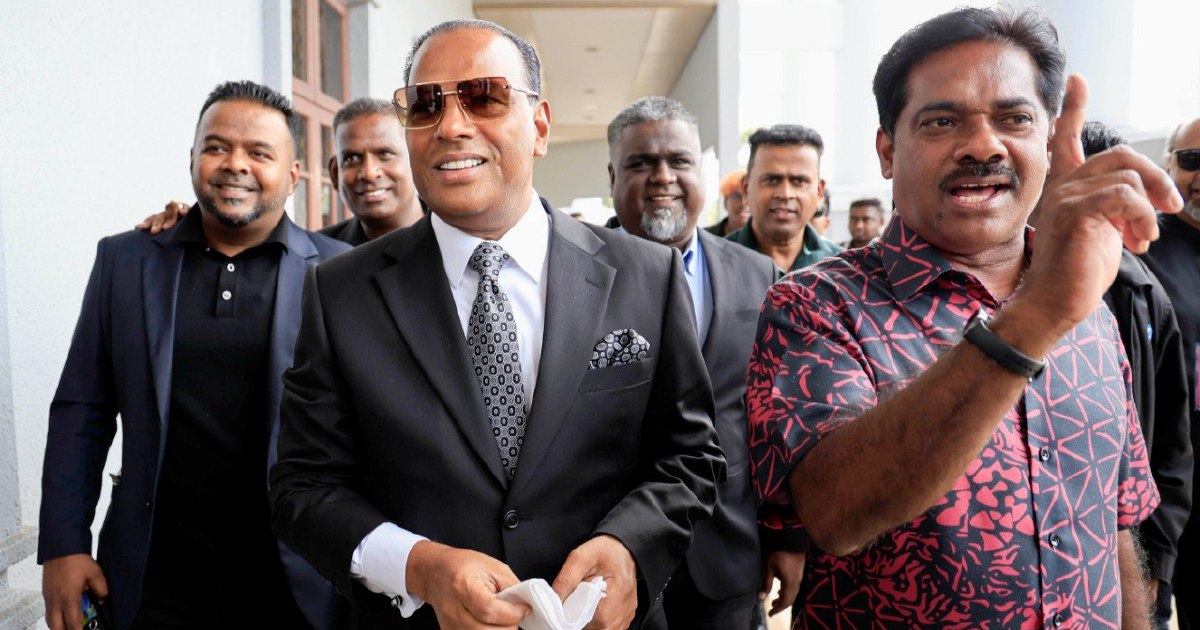
Datuk Seri M. Saravanan, who previously served as Malaysia's Human Resources minister, has launched a vigorous defence against serious corruption allegations, characterising three separate charges of accepting bribes amounting to RM1.097 million as a baseless and wild accusation that lacks credibility.
The former minister's emphatic rejection of the charges comes at a sensitive time for Malaysia's governance landscape, where high-profile corruption cases continue to dominate public discourse and test confidence in the nation's institutions. Saravanan's response reflects a broader pattern among accused public figures of contesting such allegations through media statements while legal proceedings unfold in court.
The specific allegations against Saravanan centre on his purported acceptance of illicit payments during his tenure in a ministerial position. Such charges carry significant weight under Malaysia's anti-corruption framework, particularly when they involve sums in the millions and relate to individuals who held positions of public trust. The RM1.097 million figure suggests a sustained pattern of alleged misconduct rather than isolated incidents.
Saravanan's characterisation of the accusations as wild reflects a defensive strategy common among high-ranking politicians facing legal challenges. By framing the charges as unfounded and dramatic, the former minister appears to be attempting to shape public perception before detailed evidence is presented in formal proceedings. This approach frequently includes implicit suggestions that political opponents or rivals may have engineered the allegations.
The case touches on broader anxieties within Malaysia's political ecosystem regarding corruption, accountability, and the selective prosecution of officials. Citizens and analysts have grown increasingly aware of whether enforcement agencies pursue cases with consistent vigour regardless of political affiliation, making perception management critical for defendants in prominent corruption cases.
Saravanan's ministerial background adds particular significance to the allegations. As Human Resources minister, he would have wielded considerable influence over labour policy, civil service appointments, and workplace regulations affecting millions of Malaysians. Any corruption during such tenure potentially undermines public sector integrity across multiple domains, making the charges newsworthy beyond mere political theatre.
The legal process ahead will determine whether prosecutors can substantiate their claims with documentary evidence, witness testimony, and financial records linking Saravanan directly to the alleged bribes. Malaysian anti-corruption courts have successfully convicted numerous high-profile figures in recent years, demonstrating that elite status provides limited protection once cases reach trial phases.
For the Malaysian public and business community, Saravanan's case serves as a reminder that investigations into ministerial conduct continue despite changes in political administrations. Companies and stakeholders must navigate a governance environment where yesterday's powerful officials may face sudden allegations, creating uncertainty about which relationships and transactions might later invite scrutiny.
Regionally, Malaysia's handling of such cases influences perceptions of the country's commitment to combating corruption and maintaining rule of law—factors that multinational investors and international partners closely monitor. High-profile allegations combined with robust legal processes tend to strengthen confidence in institutional capacity, whereas unresolved cases or perceived bias can undermine such confidence.
The distinction between accusations and proven guilt remains paramount as this case develops. While Saravanan's denials represent one narrative, the evidence that emerges through court proceedings will ultimately carry greater weight in determining truth and accountability. Malaysian courts have demonstrated willingness to examine complex financial circumstances and dismiss cases lacking substantive proof.
Political observers will closely track whether Saravanan's ministerial network and established connections within government structures influence the trajectory of proceedings. Such dynamics often reveal structural vulnerabilities in Malaysia's governance framework and highlight why institutional independence from political pressures remains essential for maintaining public confidence.
The broader implications extend to civil servants and lower-ranking officials who note how their superiors are treated when facing allegations. If ministerial-level defendants successfully challenge charges through procedural or evidentiary arguments, message effects ripple through the bureaucracy, potentially affecting willingness to report wrongdoing or cooperate with investigators.
Ultimately, whether Saravanan's characterisation of the charges as wild accusations proves prescient or merely represents typical defensive rhetoric will become clear only when full evidence is presented and judgement delivered. Until then, the former minister's emphatic denials contrast sharply with the serious nature of the allegations and the substantial sum involved, creating significant tension that only judicial proceedings can resolve.

