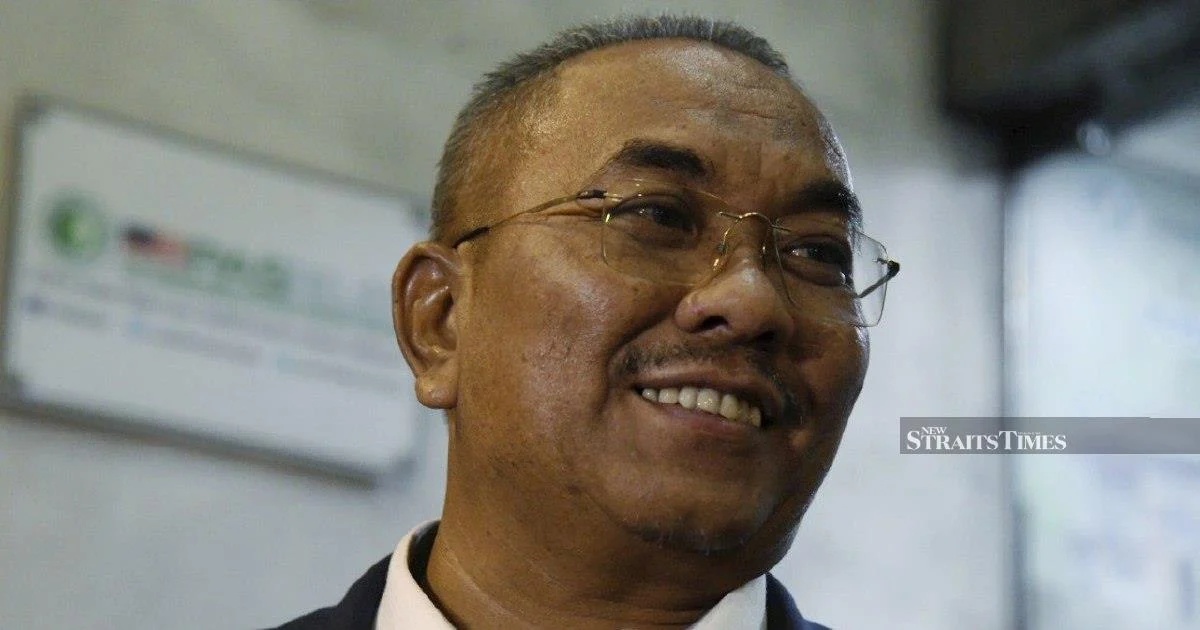
The leadership of Perikatan Nasional has effectively silenced growing resistance from Bersatu regarding the coalition's decision to admit Parti Wawasan Negara into its ranks. The newly renamed party, previously known as Parti Cinta Malaysia and headed by Datuk Seri Hamzah Zainudin, has become a point of contention within PN's internal dynamics, yet senior figures within the coalition have made clear that the matter is not open for further negotiation or reconsideration.
This development underscores the complex power structures operating within Malaysia's ruling coalition. Perikatan Nasional, which emerged as a significant force in Malaysian politics following the 2022 general election, has undergone considerable evolution in its membership composition. The inclusion of Parti Wawasan Negara represents another chapter in the coalition's ongoing attempt to consolidate anti-Pakatan Harapan sentiment and broaden its appeal across diverse voter demographics, particularly in constituencies where the new party may have organisational presence or local influence.
Bersatu's reservations about the admission reveal underlying tensions within the coalition structure. As one of PN's founding components, Bersatu has legitimate concerns about resource allocation, representation in leadership positions, and the dilution of its own political standing within the broader alliance. The party's objections suggest internal disagreements about the strategic direction of PN and whether expanding membership serves the coalition's long-term interests or fragments its message and organisational coherence.
Datuk Seri Hamzah Zainudin's role as leader of Parti Wawasan Negara brings additional complexity to the situation. His political trajectory and standing within government structures would have influenced the coalition's calculation regarding admission. The rebranding from Parti Cinta Malaysia to Parti Wawasan Negara also signals an attempt to reposition the party's image and broaden its appeal beyond whatever niche it may have occupied previously, suggesting strategic recalibration rather than a purely opportunistic merger.
The dismissal of Bersatu's concerns by PN leadership demonstrates a hierarchical decision-making process within the coalition. Rather than seeking consensus among all member parties, senior figures have made an executive determination that the admission stands as final. This approach, while efficient in implementation, may create resentment within Bersatu that could manifest in future coalition disputes or leadership negotiations. The precedent established suggests that PN leadership can override objections from established member parties when pursuing broader coalition-building objectives.
For Malaysian readers, this internal coalition friction matters because it affects political stability and the government's legislative agenda. Coalitions require functional internal relationships to effectively govern and pass legislation. Unresolved tensions between member parties can undermine policy implementation and create unpredictability in parliamentary voting. If Bersatu feels sidelined or its concerns consistently dismissed, it could theoretically reconsider its coalition commitment or demand concessions in other policy areas as compensation for accepting unwanted internal decisions.
The timing and context of this dispute also reflect broader questions about PN's identity and future trajectory. Since the 2022 election, PN has positioned itself as a contemporary alternative to both the previous Barisan Nasional arrangement and the Pakatan Harapan coalition, yet the constant addition of new members and parties raises questions about whether PN represents a stable political realignment or merely a tactical anti-government alliance vulnerable to disintegration once circumstances change.
Geographically, Parti Wawasan Negara's potential strength in certain constituencies could affect PN's electoral strategy in the next general election. By incorporating this party into the coalition rather than competing against it, PN consolidates political forces that might otherwise fragment anti-Pakatan voting. This tactical calculation appears to have outweighed Bersatu's concerns about coalition unity and equitable treatment of existing members.
The broader Southeast Asian context adds another dimension to PN's internal dynamics. Regional political coalitions increasingly face pressures from personalised politics, where leaders prioritise their individual political survival and advancement over coalition cohesion. The rejection of Bersatu's objections suggests that PN leadership has determined the political benefits of admitting Parti Wawasan Negara exceed the costs of internal friction, a calculation that may not hold indefinitely if coalition tensions escalate.
Looking forward, this episode establishes important precedent for how PN handles internal disputes and member party concerns. If this decision-making pattern continues—where senior leadership overrides member objections without genuine negotiation—the coalition risks accumulating grievances that could destabilise its long-term viability. Bersatu's acquiescence now does not guarantee future cooperation on other issues where the party's interests diverge from coalition leadership preferences.
The situation also illustrates how Malaysian coalition politics operates beyond public discourse. While parliamentary numbers remain stable and government functions continue, behind-the-scenes dynamics reveal ongoing negotiations about power, representation, and strategic direction. These internal arrangements ultimately affect which policies receive priority, how resources flow between different government departments, and which constituencies receive development attention. Understanding these coalition mechanics provides essential insight into how Malaysian governance actually operates beyond official pronouncements.