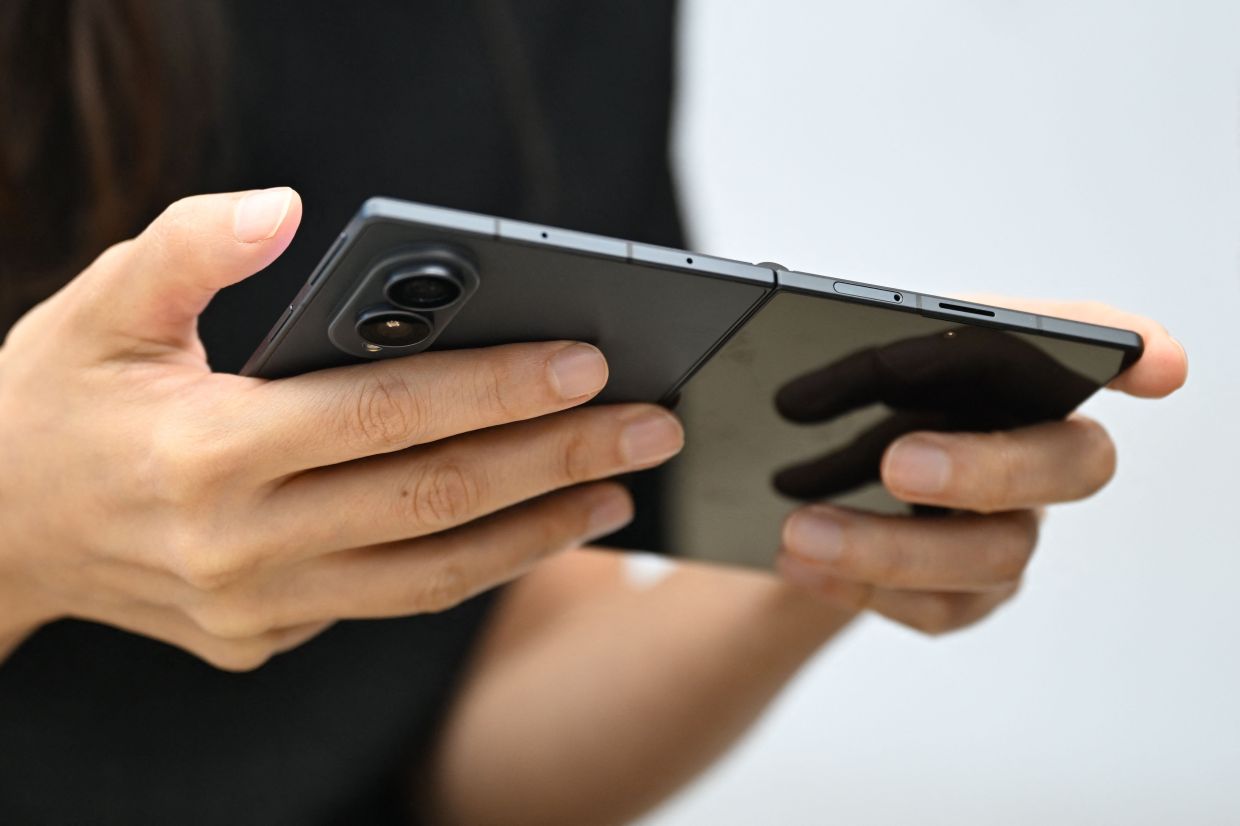
Samsung Electronics' latest foldable device, the Galaxy Z Fold 8, represents a fundamental departure from how the industry has approached smartphone design for the past two decades. The new model trades conventional height for a distinctive, shorter and wider profile reminiscent of a passport—a shape engineered to deliver superior video viewing and a form factor that feels refreshingly different in an era of design stagnation. Starting at USD 1,900 (approximately RM7,299 locally) and beginning shipments on August 7, the Z Fold 8 will soon be joined by Apple's inaugural folding iPhone, meaning consumers across major markets will encounter this revolutionary silhouette with unprecedented frequency within months.
This design orientation is not entirely unprecedented. Alphabet's Google experimented with comparable proportions in its original Pixel Fold before reversing course toward a taller configuration, while Chinese manufacturers Oppo and Huawei have already launched comparable wide-form devices in their home markets and surrounding regions. Nevertheless, the convergence of Samsung's aggressive push and Apple's impending entry into this category signals a tipping point for the wider foldable segment. The combination of these two technology titans embracing the passport aesthetic simultaneously will expose Western consumers to a design language that previously existed on the periphery of global awareness.
Initial hands-on assessment reveals the Z Fold 8 possesses an almost tactile appeal often absent from contemporary smartphones. Weighing merely 201 grams—approximately 0.44 pounds—and featuring an unusually compact build, the device delivers what can only be described as a charming user experience. The 5.5-inch outer display proves remarkably navigable with one hand; the device's abbreviated height, roughly 4.9 inches, eliminates the grip anxiety associated with oversized flagships like the Galaxy S26 Ultra or iPhone 17 Pro Max. This ergonomic advantage represents a genuine quality-of-life improvement for users fatigued by increasingly massive phones.
Yet the aggressive form factor introduces tangible compromises that will resonate differently depending on use case. The rear camera module's positioning creates a pronounced wobble when the device rests on flat surfaces—an irritation particularly noticeable in the absence of purpose-designed protective casing. Beyond physical quibbles, the outer screen's 10:16 aspect ratio severely constrains information density. Where conventional phones can display ten email subject lines simultaneously in Gmail, the Z Fold 8 manages merely five. Samsung's home screen grid shrinks from five app columns to four, a reduction that productivity-focused users will immediately notice during daily workflows. Instagram posts frequently expand beyond the screen's lateral boundaries, necessitating additional swiping to view complete images or videos, whilst Slack conversation histories become significantly more fragmented.
Colour options have taken a conservative turn compared to the vibrantly saturated blue offered on last year's Z Fold 7. The 2026 palette emphasises muted, safer tones that may appeal to corporate sensibilities but sacrifice the visual distinctiveness that made previous iterations memorable. The manufacturing quality remains impeccable, and the hinge mechanism springs open smoothly when transitioning to the inner display—though this design choice paradoxically prevents the device from functioning as a makeshift laptop, as earlier models occasionally allowed.
The inner 7.6-inch display demonstrates where the passport philosophy truly reveals its strategic genius. When rotated to portrait orientation, TikTok videos and Instagram feeds transform from cramped inconveniences into immersive visual experiences. The reading experience on this internal screen feels more natural and book-like than the narrower configurations of competing devices, whilst remaining light enough for extended use without hand fatigue. Photo browsing represents another standout application; since smartphone cameras capture 4:3 aspect ratio images, they automatically fill the entire display when viewing gallery content—making this an unexpectedly excellent device for sharing vacation photographs. The positioning of a selfie camera on this inner display remains regrettable from an aesthetic standpoint, particularly given that an identical camera already exists on the cover screen where video calls would naturally occur.
Cameras present another arena of compromise. The Z Fold 8 incorporates a primary sensor alongside an ultrawide lens but notably omits a telephoto unit capable of meaningful optical zoom. This omission proves particularly frustrating given Samsung's historical excellence in portrait mode rendering, often surpassing both Apple and Google in subject separation and background blur quality. Reports suggesting Apple's forthcoming foldable will similarly adopt a dual-camera configuration imply that consumers craving zoom capabilities may need to wait considerably longer—or remain tethered to traditional flagship devices.
The entertainment proposition that Samsung prominently advertises deserves closer scrutiny. Whilst pinch-to-zoom functionality enables content expansion beyond conventional smartphone capacities, watching modern films on the inner display delivers only marginal size advantages over a 17 Pro Max or S26 Ultra in normal viewing circumstances. The meaningful benefit manifests primarily through reduced black bars above and below content. To genuinely establish this form factor as an entertainment powerhouse, the market likely requires a larger iteration—reminiscent of Samsung's discontinued Galaxy Z TriFold. Such a device would inevitably sacrifice portability and pocket compatibility, raising fundamental questions about whether consumers genuinely want a single unwieldy do-everything product or prefer the flexibility of two distinct sizes—one compact and versatile like the Z Fold 8, another larger for genuinely expansive multimedia experiences.
Samsung's internal projections prove remarkably ambitious, forecasting that this new shape will constitute approximately one-third of its foldable sales throughout the United States. This confidence reflects genuine belief that the passport form represents an evolutionary leap rather than incremental iteration. For Apple, the impending foldable arrives as step two of a three-year flagship reinvention strategy; last year brought overhauled Pro models and the thinner iPhone Air, whilst 2027 will reportedly feature a separate comprehensive redesign commemorating the franchise's twentieth anniversary. Such staggered innovation architecture suggests Apple views foldables not as gimmicks but as integral to its long-term product vision.
Despite promising adoption trajectories, neither company's foldables will immediately displace established flagship models, particularly larger versions. The passport configuration demands genuine sacrifices; consumers who process high email volumes or inhabit social media feeds derive superior utility from larger, traditional displays at substantially lower price points. The Galaxy S26 Ultra, iPhone 17 Pro Max, and iPhone Air all deliver superior screen real estate and superior value. These conventional devices will continue dominating market share amongst pragmatically-minded purchasers.
Nevertheless, the Z Fold 8 succeeds where countless contemporary smartphone iterations fail—it feels meaningfully innovative rather than cosmetically refreshed. Consumer enthusiasm has progressively eroded as the industry exhausted obvious performance and capability improvements; meaningless camera megapixel increases and artificial intelligence feature integration have become fatiguing rather than exciting. The passport form factor transcends these tired trajectories, offering tangible novelty that reimagines fundamental device interaction patterns. Whether consumers will ultimately embrace this silhouette as the solution the category needed remains uncertain, but initial indicators suggest designers have discovered something genuinely compelling—a refreshingly different approach to devices that have grown stale through formulaic annual updates.

