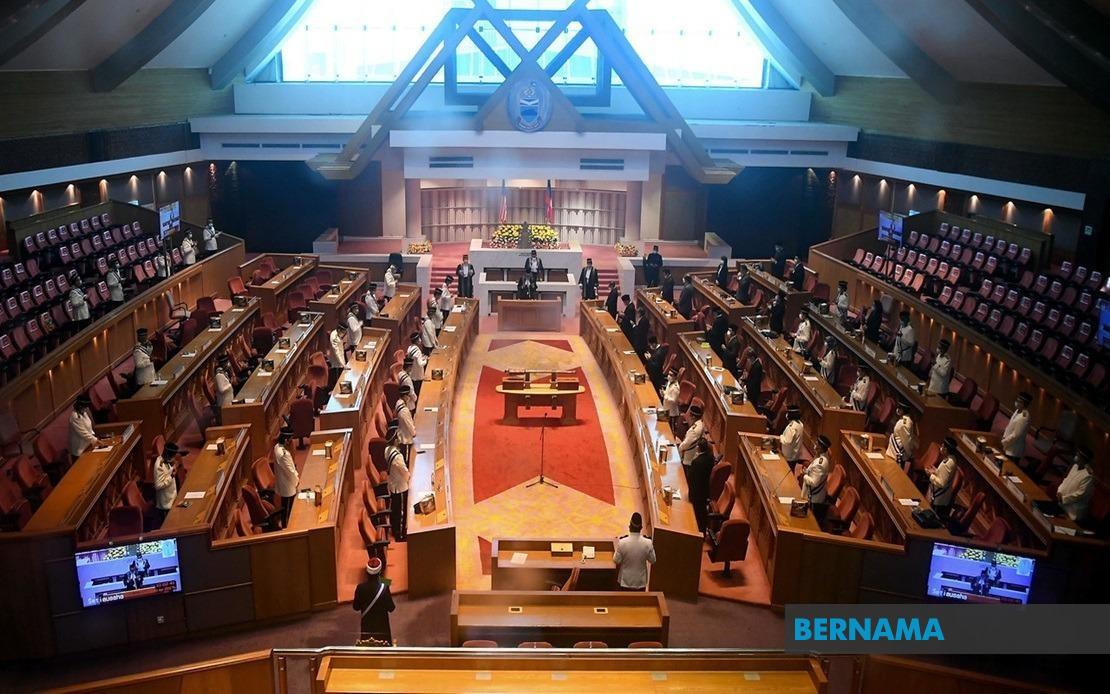
Sabah's water authority has set an ambitious target to dramatically improve the efficiency of its distribution network, seeking to slash non-revenue water losses from their current alarming level of 59.6 per cent down to 45 per cent over the next six years. The state legislative assembly in Kota Kinabalu heard on July 23 that achieving this goal would require sustained commitment to multiple infrastructure and operational improvement programmes coordinated by the Sabah Water Department, known locally as JAS.
Non-revenue water, a persistent challenge across Malaysian water utilities, represents the volume of treated water entering the supply network that fails to generate revenue because it is either lost through leaks, stolen through illegal connections, or unmetered. At nearly 60 per cent, Sabah's current rate ranks among the highest in the country and represents both a massive financial loss for the utility and a waste of precious freshwater resources in a state increasingly conscious of climate and environmental pressures. The reduction to 45 per cent, while still elevated by international standards, would represent a significant achievement and bring Sabah closer to performance levels found in better-managed Malaysian water systems.
Addressing the state assembly, Assistant Minister of Works and Utilities Datuk Limus Jury outlined the multifaceted approach JAS has implemented to tackle the crisis. The strategy encompasses integrated operational controls designed to identify and eliminate unauthorized water withdrawals, a persistent problem that diverts substantial quantities from legitimate consumers and undermines revenue collection. Alongside enforcement measures, the department is undertaking systematic replacement of aging pipeline infrastructure in critical sections of the network, where deterioration and rupture represent major sources of physical loss that compound financial and operational challenges.
Metering represents another critical component of the intervention strategy. JAS is systematically replacing faulty consumer meters and removing devices that have exceeded their seven-year operational lifespan, during which accuracy degrades significantly. Defective metering not only fails to record actual consumption but also masks leaks and illegal usage occurring at individual premises. By upgrading this measurement infrastructure, the utility gains more precise data on consumption patterns and can detect anomalies that signal problems requiring investigation and repair.
Water pressure management forms an equally vital element of the efficiency programme. Excessive pressure within distribution networks accelerates pipe deterioration and increases leakage rates, particularly in systems with aging infrastructure. By optimizing pressure levels throughout different zones of the network, JAS can reduce stress on pipes and fittings while maintaining adequate supply to consumers at higher elevations. This requires sophisticated monitoring systems and valve controls that have been deployed progressively across the state.
The department has also invested in proactive leak detection technology and rapid response repair mechanisms. Rather than waiting for consumer complaints or catastrophic failures to reveal problems, JAS now conducts systematic surveys of its network using specialized equipment and trained personnel. When leaks are identified, crews are dispatched promptly to conduct repairs, minimizing the duration during which water escapes into soil or onto streets. This shift from reactive to preventive maintenance represents a fundamental change in operational culture and requires sustained funding and organizational commitment.
The implementation strategy draws support from multiple funding sources that reflect both federal and state government recognition of the urgency. Under the 13th Malaysia Plan, a comprehensive programme addresses 18 districts with federal funding while state resources extend coverage to an additional 12 districts throughout Sabah. This layered funding approach ensures that both high-priority urban areas and more remote regions benefit from the improvements, though resource constraints inevitably mean that some areas receive attention earlier than others.
Three major population centers have been designated as flagship demonstration projects under the NRW Rehabilitation, Monitoring and Maintenance Active Leakage Control initiative. Kota Kinabalu, the state capital and largest urban center, launched its project on September 28, 2022, with completion targeted for September 28, 2024, aiming to reduce daily losses by 10 million litres. The commercial and trading hub of Tawau and the oil town of Lahad Datu commenced their respective projects on February 19, 2024, with completion scheduled for February 19, 2027. These two districts have more ambitious reduction targets of 14 million litres and 10 million litres per day respectively, reflecting both the scale of their distribution networks and the magnitude of losses currently occurring.
The staggered implementation approach across different districts and timeframes allows JAS to learn from early projects and apply lessons to subsequent phases. Success in Kota Kinabalu, where the shortest timeframe enables rapid assessment of effectiveness, will inform strategies deployed in other municipalities. The longer implementation windows for Tawau and Lahad Datu accommodate the greater logistical challenges of working in districts with dispersed populations and more difficult terrain where pipeline rehabilitation demands more extensive planning and coordination.
For Malaysian water industry observers and policymakers, Sabah's programme offers both promise and caution. The comprehensive scope and multi-year commitment demonstrate recognition that NRW reduction requires sustained effort rather than quick fixes. However, the persistence of such high loss rates underscores how difficult water distribution challenges have become across the region. Rapid urbanization, aging infrastructure inherited from earlier decades, and maintenance backlogs have created a crisis affecting multiple water companies and requiring investment levels that often exceed available budgets.
The success of Sabah's initiative will also depend on factors beyond technical infrastructure improvements. Consumer awareness campaigns encouraging reporting of leaks, community engagement in detecting illegal connections, and legislative enforcement against unauthorized water use must accompany the physical interventions. Additionally, metering alone only works if billing systems function efficiently and collection rates remain high, requiring strong customer service and fair dispute resolution mechanisms that maintain consumer confidence in the utility.
Sabah's commitment to reducing non-revenue water to 45 per cent by 2030 positions the state as a demonstrator of what structured, adequately funded programmes can achieve. For other Malaysian states and Southeast Asian utilities wrestling with similar challenges, the outcomes of these initiatives will provide valuable benchmarks. The region faces growing water stress from population growth, industrial demand, and climate variability, making efficiency improvements increasingly essential to ensuring reliable supplies for consumers and sustainable resource management for future generations.

