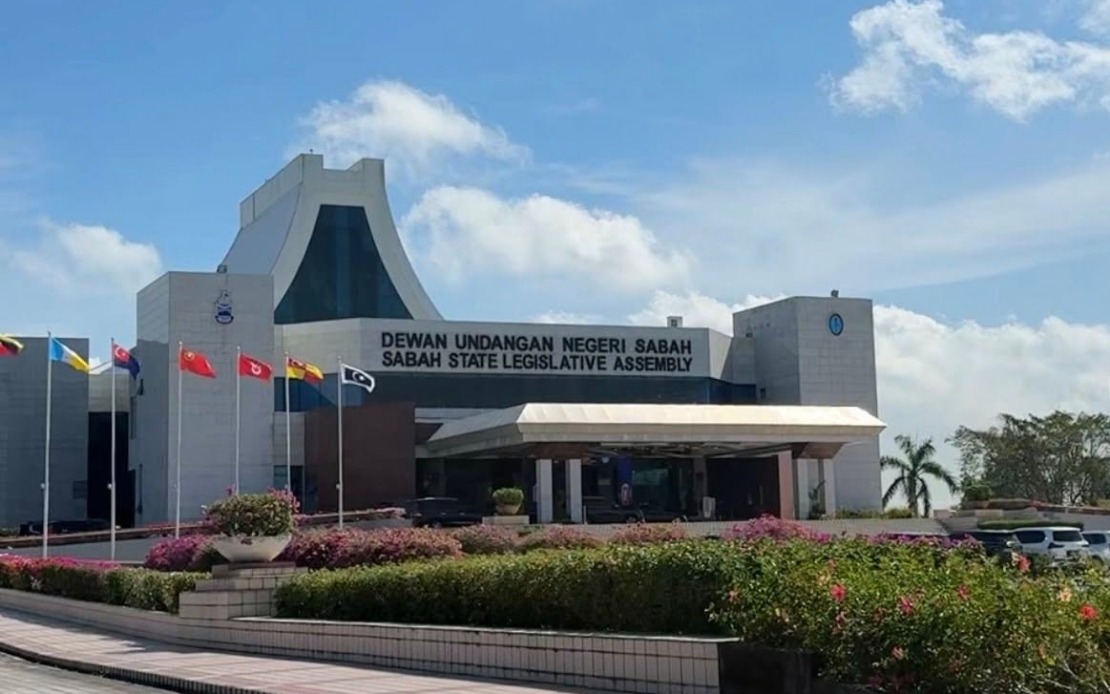
The Sabah Legislative Assembly has taken significant steps to modernise two critical areas of state governance by passing the Muslim Succession Bill 2026 and the Native Courts Bill 2026 on July 22. Both measures represent comprehensive legal overhauls aimed at bringing Malaysia's easternmost state into alignment with contemporary judicial practices while respecting deeply rooted cultural and religious traditions. The legislation was introduced by Datuk Dr Mohd Arifin Arif, the state's Local Government and Housing Minister who also oversees Islamic Affairs, and passed before separate chambers of the assembly following detailed parliamentary debate.
The Muslim Succession Bill 2026 emerged from careful deliberation among five state assemblymen before Speaker Datuk Seri M Kadzim Yahya, while the Native Courts Bill 2026 underwent more extensive scrutiny involving twelve assemblymen and was considered before Deputy Speaker Datuk Richard Wong We Kong. This differential level of parliamentary attention reflects the complexity of the native courts legislation and its broad implications for Sabah's indigenous communities. The passage of both bills signals a coordinated effort to strengthen two pillars of Sabah's legal system that have remained relatively static despite evolving social circumstances and administrative demands.
The Muslim Succession Bill 2026 addresses a longstanding gap in Malaysian law by establishing the country's first dedicated legislative framework specifically governing the administration of Muslim estates under the jurisdiction of Syariah Courts. This represents a watershed moment for Islamic jurisprudence in Malaysia, as estate administration has historically operated within a fragmented landscape of customary practice and general Islamic principles. The bill's architects identified four foundational objectives guiding its formulation: introducing systematic legal protocols for Muslim inheritance, protecting the rights and interests of all heirs and creditors, ensuring estate administration aligns with syariah principles, and strengthening enforcement mechanisms to prevent asset misappropriation or unauthorised disposal.
The legislative framework addresses practical concerns that have accumulated over decades of ad hoc administration. By establishing clear procedures, the bill seeks to prevent disputes among heirs, protect vulnerable beneficiaries such as minors and spouses, and ensure transparency in how deceased persons' assets are managed and distributed. The emphasis on compliance and enforcement mechanisms suggests recognition that previous arrangements lacked sufficient safeguards against malfeasance or negligence. For Malaysian Muslim communities, particularly in Sabah and eventually across the federation if other states adopt similar measures, this represents an opportunity to align estate administration with the rigorous standards applied to civil probate matters.
The Native Courts Bill 2026 undertakes similarly ambitious reform of Sabah's customary justice system, which has operated under legislation dating to 1992. After more than three decades, the underlying legal framework had become misaligned with contemporary judicial best practices and no longer adequately served Sabah's diverse indigenous populations. Minister Arif emphasised that reform must balance modernisation with preservation of native identity, acknowledging that the customary justice system represents an essential component of indigenous heritage and self-determination in Sabah.
The bill fundamentally restructures the native courts hierarchy, introducing a three-tier system comprising Native District Courts at the base, Native High Courts at the intermediate level, and a Native Court of Appeal at the apex. This hierarchical architecture mirrors Malaysia's general court system while maintaining the distinctive character of customary adjudication. The reform addresses a critical weakness in the previous arrangement by establishing clear lines of authority and appeal pathways, ensuring that indigenous litigants have access to graduated levels of judicial review comparable to those available in civil proceedings.
A particularly significant innovation involves the establishment of the Native Judicial Appointments Advisory Committee, which represents a fundamental departure from past practice. Previously, judicial appointments within the native courts system were awarded based primarily on administrative positions or seniority within government structures, an arrangement that could result in individuals lacking genuine expertise in customary law presiding over cases involving intricate questions of indigenous practice and tradition. The new committee will assess candidates based on transparency, merit, relevant qualifications, substantive experience, demonstrated knowledge of customary law, and personal integrity. This professionalism-oriented approach should enhance public confidence in native court proceedings and ensure judges possess the intellectual and experiential foundation necessary to adjudicate complex customary matters.
For Malaysian policymakers across the federation, Sabah's legislative approach offers instructive lessons about balancing pluralism with institutional coherence. The reforms acknowledge that indigenous and religious communities merit legal frameworks specifically designed to address their distinctive circumstances rather than forcing their concerns into templates designed for the general population. This philosophy resonates throughout Southeast Asia, where multi-ethnic nations continue wrestling with questions about how to accommodate diverse populations within unified legal systems.
The implications extend beyond Sabah's borders in several directions. First, these bills may serve as models for other Malaysian states seeking to modernise Islamic estate administration or strengthen customary justice mechanisms. Second, they demonstrate practical legislative solutions to the tension between tradition and contemporary governance, potentially influencing regional approaches to indigenous justice. Third, they signal commitment to improving outcomes for vulnerable populations—Muslim heirs subject to unclear succession rules and indigenous peoples navigating customary disputes—through more transparent and professionally administered judicial systems.
The Muslim Succession Bill carries particular significance given Malaysia's ongoing discussion about harmonising Islamic law across states. Currently, Islamic jurisprudence and Syariah court procedure differ substantially between federal territories and individual states, creating complications for Muslims with property or family connections across jurisdictional boundaries. If Sabah's pioneering legislation attracts attention from other state governments, it could catalyse gradual convergence toward more uniform Islamic legal administration nationwide, benefiting the substantial Muslim population by reducing confusion and inconsistency.
Similarly, the Native Courts Bill addresses practical frustrations experienced by indigenous litigants who have had limited confidence in customary dispute resolution mechanisms perceived as influenced by administrative convenience rather than genuine expertise. By professionalising judicial appointments and clarifying court hierarchies, Sabah has responded to legitimate demands for institutional legitimacy while maintaining respect for indigenous autonomy and cultural distinctiveness. This approach avoids the pitfall of either instrumentalising customary law for administrative purposes or abandoning it as obsolete.
The bills' passage after substantial parliamentary deliberation suggests broad political consensus within Sabah's legislative assembly regarding the necessity of these reforms. The involvement of multiple assemblymen in detailed debate indicates the measures received serious scrutiny rather than rubber-stamp approval, enhancing their democratic legitimacy and likely public acceptability. Both bills are scheduled to take effect following formal assent, with implementation requiring coordination between Syariah Courts, native court administrators, and relevant state agencies.
Looking forward, attention will focus on how effectively these reformed systems function in practice. The true test will emerge as Muslim estates begin navigating the new succession framework and indigenous communities engage with restructured native courts. Successful implementation requires adequate funding, training of judicial officers in the new procedures, and public education about revised processes. Should Sabah's experience prove positive, the legislative approach demonstrated by these bills could influence judicial development across Southeast Asia's plural societies.

