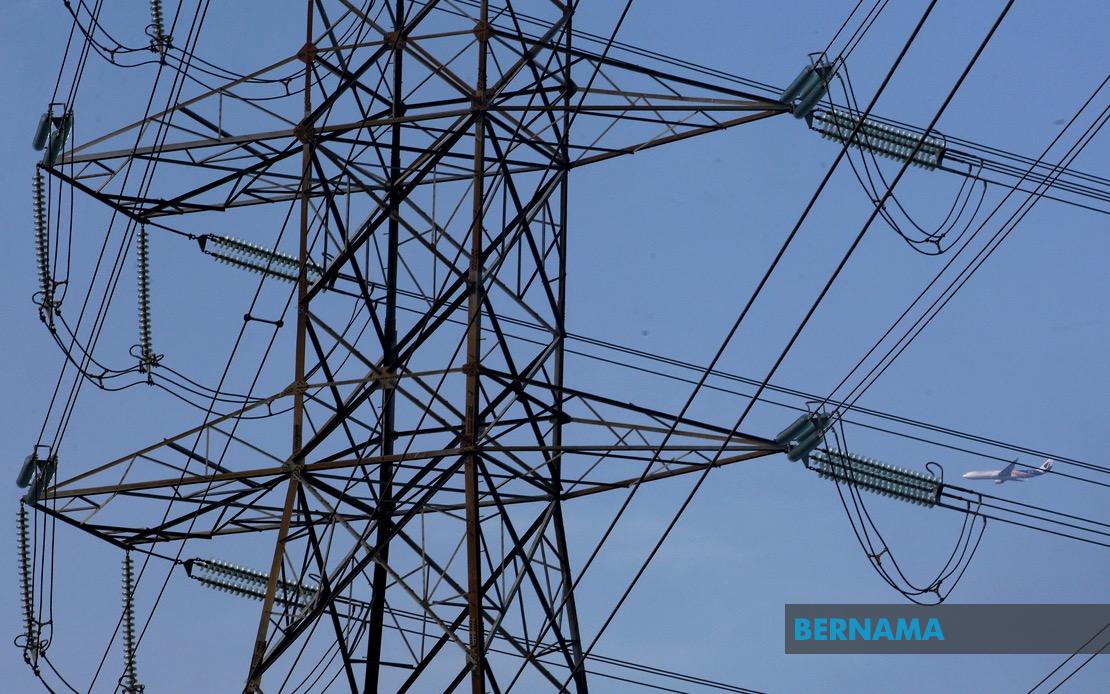
The electricity utility serving Sabah announced on June 29 that it would roll out coordinated power cuts across several regions throughout the state as an emergency response to a significant shortfall in generation capacity. The crisis stems from interrupted gas supplies to multiple thermal power stations, which form the backbone of Sabah's energy infrastructure. This supply disruption has critically weakened the operational buffer of the Sabah Grid System—the interconnected network that distributes electricity throughout the state—leaving the utility with no choice but to implement managed rationing to preserve system stability and avert more severe, uncontrolled blackouts that could affect far larger populations.
The reserve margin of any electrical grid represents the cushion between peak demand and maximum available supply; without adequate reserve capacity, the system becomes vulnerable to cascading failures. By implementing planned, rolling blackouts in designated districts, Sabah Electricity aims to maintain equilibrium across its network rather than face unpredictable outages that could last longer and affect more critical infrastructure. This is a well-established utility practice in developing economies and regions where generation capacity is stretched, allowing technicians to keep the grid functioning while repairs proceed on the underlying fuel supply problem.
Sabah's reliance on gas-fired power generation reflects both the state's natural resource endowments and the infrastructure decisions made over decades. The Sabah LNG project and associated gas fields have historically supplied feedstock for the region's thermal plants, making gas a cheaper and more readily available fuel source compared to imported coal or oil. However, this dependency creates vulnerability when production or delivery falters, as has occurred. The current situation underscores the strategic importance of diversifying Sabah's energy portfolio—a challenge many Malaysian states face as they balance immediate affordability against long-term resilience.
The utility's statement emphasised that these rationing measures are strictly temporary and will cease once sufficient generation capacity returns online and grid stability improves. This messaging appears designed to reassure both domestic and commercial consumers that the disruption will not extend indefinitely. Behind the scenes, Sabah Electricity is coordinating with energy regulators, gas producers, and plant operators to diagnose and repair the supply blockage. The nature of the gas disruption—whether caused by offshore platform maintenance, pipeline issues, or contractual supply shortages—remains unspecified in the utility's public communication, though such details often emerge through industry channels over subsequent weeks.
For Malaysian readers accustomed to generally reliable electricity supply in Peninsular Malaysia, the situation in Sabah provides a sobering reminder that even within one country, infrastructure vulnerabilities vary significantly by geography and scale. Sabah's smaller population and grid compared to the peninsula means that individual incidents can have outsized proportional impacts. This incident may prompt regional policymakers to accelerate discussions around independent power producers, renewable energy integration, or inter-state transmission capacity—all potential long-term solutions to prevent recurrence.
The utility announced it would provide frequent updates about which residential and commercial areas would experience cuts, and in what sequence, through its official Careline Facebook page and telephone hotline at 15444. This two-channel communication strategy reflects modern utility practice: the social media channel reaches digitally connected Sabahans quickly, while the telephone line serves those less active online and provides a direct customer service touchpoint. The emphasis on using only official channels suggests concerns about misinformation; during infrastructure crises, unverified rumours and social media speculation can amplify public anxiety and potentially trigger hoarding behaviour or complaints that strain customer service resources.
Business and industrial consumers in Sabah are likely evaluating contingency plans, particularly those operating time-sensitive or temperature-controlled facilities. Manufacturing plants, hospitals, data centres, and hospitality businesses may activate backup generators, reschedule operations, or prepare for reduced productivity during scheduled blackout windows. The economic cost of such disruptions, multiplied across numerous businesses, often exceeds the utility's savings from deferring generation, though the alternative—complete grid failure—would inflict far greater damage.
The apology issued by Sabah Electricity reflects both genuine concern for consumer welfare and risk management; utilities acknowledge inconvenience because public goodwill matters when seeking regulatory approval for future investments or rate adjustments. The thanks extended to customers for their patience frames rationing not as a failure but as a collective effort to preserve broader system integrity. This messaging approach, though formulaic, carries real significance in a state where electricity access directly affects quality of life, economic development, and public health.
Sabah's experience with this power crisis may influence energy policy discussions across Southeast Asia, where many nations grapple with balancing fuel diversity, capacity expansion, and climate considerations. The incident demonstrates that even resource-rich regions cannot assume unlimited energy security; supply chains for fuel are vulnerable to operational disruptions, and infrastructure resilience requires continuous investment and planning. As regional economies grow and electrification deepens, such vulnerabilities will only become more consequential unless systematically addressed through policy reform and capital deployment.
For consumers in Sabah, the immediate priority is adjusting to rotational blackout schedules while the utility works toward restoration. Longer term, this event may catalyse conversations about renewable energy potential in Sabah—solar, hydroelectric, and biomass resources exist and could reduce dependency on imported gas. Such transitions require time and investment, but today's rationing may plant seeds for tomorrow's energy independence.

