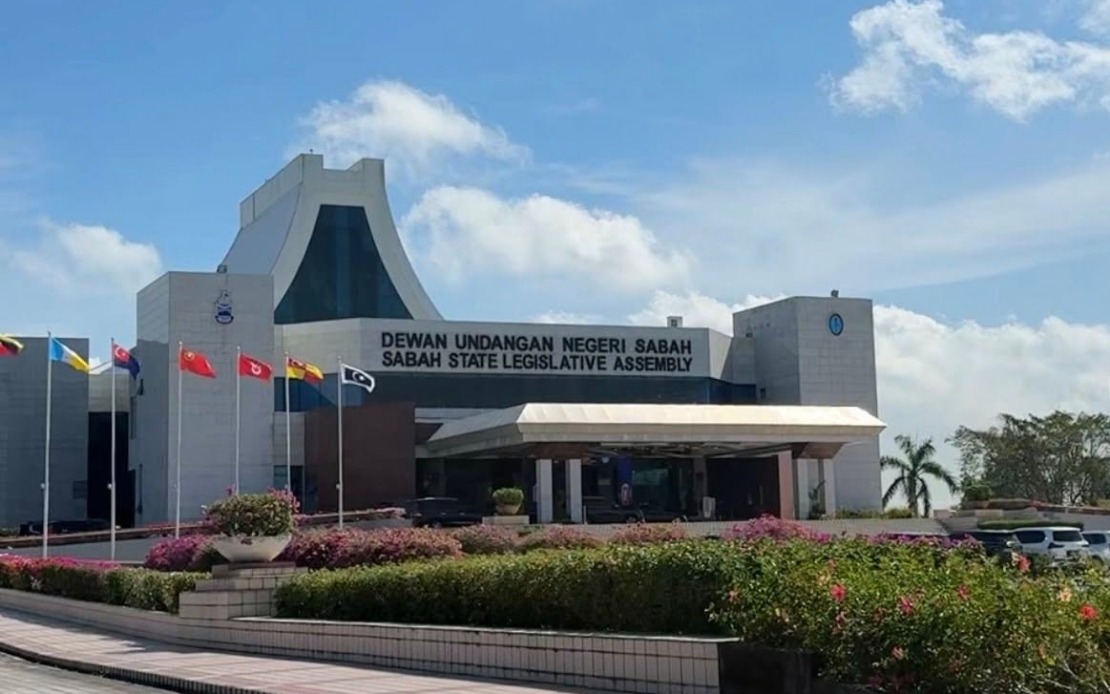
The Sabah State Legislative Assembly has given the green light to an additional RM1.61 billion in government spending for 2026, marking a significant injection of resources into the East Malaysian state's finances. The Supplementary Supply Bill passed through parliament on July 21 following deliberations among 42 state assemblymen, with the measure gaining approval through a voice vote overseen by Deputy Speaker Datuk Al Hambra Tun Juhar.
The financial package was introduced by Deputy Chief Minister II and State Finance Minister Datuk Seri Masidi Manjun, who presented the bill to lawmakers a day earlier. The structured approach to allocating these additional funds demonstrates the government's attempt to balance various competing priorities across the state bureaucracy and development agenda. The successful passage reflects the administration's parliamentary strength, though the wide-ranging debate among assemblymen suggests the budget prompted substantial legislative scrutiny before members voted to approve it.
The largest single component of the allocation goes toward statutory fund contributions, which will receive RM856 million of the total package. These contributions typically include mandatory payments to various government entities, pension schemes, and established financial obligations that form the backbone of the state's institutional commitments. For Malaysian readers familiar with federal budgeting practices, this emphasis on statutory contributions reflects the fixed nature of certain government liabilities that cannot easily be deferred without triggering wider consequences for public sector stability.
Operational expenditure receives the second-largest share, with RM278 million earmarked for the day-to-day running costs of government departments and agencies. This funding covers salaries, utilities, maintenance of government facilities, and the general administrative machinery required to keep the state apparatus functioning. The substantial allocation to this category underscores the cost pressures facing Sabah's public sector, where geographic challenges and dispersed population centres across the state make service delivery inherently expensive compared to peninsular counterparts.
Development spending of RM210 million represents the government's commitment to infrastructure projects and capital improvements, though observers may note this figure is somewhat modest relative to the overall package. Development allocation typically funds new roads, schools, healthcare facilities, and other long-term investments that shape the state's economic trajectory. The relatively smaller proportion dedicated to development compared to statutory and operational costs reflects the reality facing many Malaysian states, where existing commitments consume most available resources, leaving limited room for new major projects.
Administrative expenditure accounts for RM162 million of the supplementary allocation, covering the machinery of governance including government office operations, information technology systems, and administrative staffing. State grants totalling RM93 million represent support flowing from the state government to local authorities, community organisations, and other institutions requiring subsidies to maintain their operations. These grants often prove politically sensitive, as they distribute resources across constituencies and regions, making them closely watched by state lawmakers seeking to demonstrate government investment in their areas.
The final component comprises RM13 million in special allocations, representing discretionary spending for specific purposes or emergency needs that may arise throughout the financial year. Such provisions offer government flexibility to respond to unforeseen circumstances, whether natural disasters, urgent repairs, or other contingencies demanding immediate expenditure. In Sabah's context, where monsoon seasons and terrain-related challenges periodically necessitate rapid government response, maintaining such reserve funding proves practically essential.
For Malaysian observers tracking Sabah's fiscal trajectory, this supplementary budget reveals the ongoing strain on state finances. The emphasis on maintaining existing commitments through statutory contributions and operating costs demonstrates that growth in government capacity remains constrained by obligations inherited from previous years. This pattern mirrors challenges facing many Malaysian states seeking to balance service maintenance with expansion of new programmes and infrastructure.
The timing of this supplementary allocation mid-year suggests the state government encountered revenue shortfalls or unforeseen expenditure requirements during the first half of 2026. Supplementary budgets typically indicate that original budget forecasts proved inaccurate, a common occurrence in resource-dependent economies where commodity price fluctuations affect state revenues. Understanding these budget adjustments provides insight into the economic pressures shaping governance capacity across Malaysia's component states.
The assembly's legislative sitting will continue into the following day, indicating further government business requiring parliamentary attention. As Sabah navigates its development priorities within constrained fiscal parameters, supplementary budgets such as this one underscore the ongoing tension between maintaining existing systems and investing in new capacity. The assembly's approval demonstrates parliamentary processes functioning to scrutinise and authorise significant public expenditure, though whether the allocation adequately addresses state development needs remains a question for stakeholders monitoring Sabah's progress.

