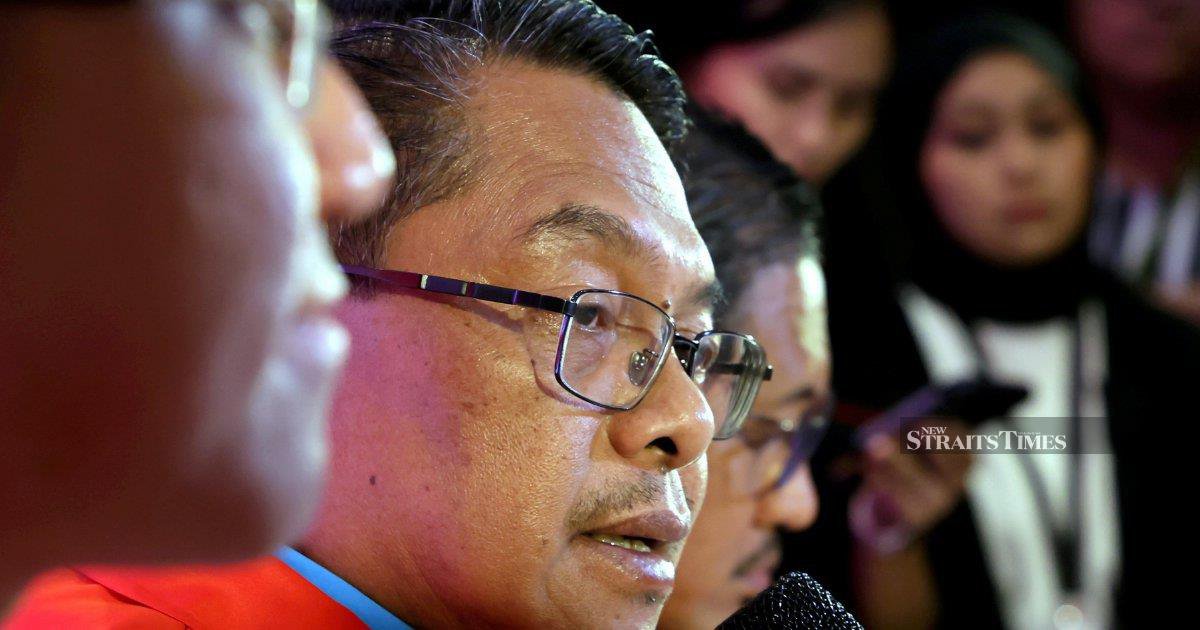
The question of how much parliamentary influence Sabah and Sarawak should wield at the federal level remains unresolved, with negotiators still grappling with a proposal that would elevate the two Borneo states' combined representation to 35 per cent of all seats in the Dewan Rakyat. This contentious matter forms part of ongoing discussions around the Malaysia Agreement 1963 (MA63), the foundational document that brought these territories into the Malaysian federation six decades ago. Datuk Mustapha Sakmud, who holds the title of Minister in the Prime Minister's Department overseeing Sabah and Sarawak Affairs, confirmed that the 35 per cent seat allocation remains on the negotiating table rather than being abandoned or finalised.
The significance of this proposal cannot be overstated for the political architecture of Malaysia itself. Currently, Sabah sends 26 members to Parliament while Sarawak contributes 31, giving the two states a combined total of 57 seats out of 222 in the current composition—roughly 25.7 per cent of the chamber. A shift to 35 per cent would theoretically translate into approximately 78 parliamentary seats, should Malaysia's total remain unchanged, or proportionally more if the legislature expands. Such an increase would substantially amplify the electoral clout that these resource-rich states can exercise over national policy and government formation.
MA63 itself has been a document of enduring tension and reinterpretation throughout Malaysia's history. When Sabah and Sarawak joined Malaya and Singapore to form Malaysia in 1963, they negotiated terms that granted them special constitutional protections and greater autonomy than other Malaysian states. These included control over immigration, land rights, and a degree of fiscal independence. However, decades of implementation have seen disputes over whether the federal government has honoured the spirit and letter of these agreements. Successive waves of activists, politicians, and civil society figures from both states have argued that MA63's protections have been progressively eroded through administrative practice and legislative action.
The push for enhanced parliamentary representation must be understood within this larger context of Sabah and Sarawak reasserting their position within the Malaysian federation. Both states have economies heavily dependent on natural resources—timber, petroleum, and palm oil—yet they argue that their contributions to national wealth have not translated into proportional influence over national decision-making. When federal policies touch on environmental regulation, resource extraction licensing, or revenue-sharing arrangements, Sabah and Sarawak leaders contend they have insufficient parliamentary numbers to protect their interests effectively. The 35 per cent proposal is thus not merely a technical adjustment to seat distribution but a statement about power redistribution and federalism itself.
For Malaysian observers, particularly those in Peninsular Malaysia, this proposal raises fundamental questions about the nature of the Malaysian union. Critics worry that dramatically increasing Sabah and Sarawak's parliamentary share could destabilise existing political equilibriums and make coalition-building more unpredictable. Proponents counter that the current arrangement underrepresents states that are geographically vast, culturally distinct, and economically significant. The proposal has occasionally surfaced during periods of heightened MA63 review momentum, particularly when administrations seek to shore up support in East Malaysia or when East Malaysian parties demand concessions as part of coalition negotiations.
Datuk Mustapha Sakmud's confirmation that discussions continue suggests the issue has not stalled entirely, even if progress remains glacial. The Federal Government's handling of MA63 matters has varied considerably depending on which coalition controls Putrajaya and which parties hold sway in Sabah and Sarawak. When East Malaysian parties hold significant coalition leverage, as they did in the Perikatan Nasional-led government, MA63 discussions tend to gain prominence. Conversely, administrations comfortable without East Malaysian support have sometimes deprioritised these conversations.
The 35 per cent threshold itself may be subject to adjustment during negotiations. Previous discussions have sometimes mooted different figures, reflecting the fluid nature of these talks. The actual number that emerges—whether it remains 35 per cent, moves higher or lower, or gets restructured into a different formula altogether—will depend on political calculations that extend far beyond Sabah and Sarawak alone. The federal government must weigh the demands of East Malaysian partners against the composition and stability of federal Parliament, the concerns of other states, and broader constitutional implications.
For Malaysia's business and investor communities, clarity on Sabah and Sarawak's future parliamentary role carries practical implications. Uncertainty about the constitutional settlement in East Malaysia can affect long-term investment decisions, infrastructure planning, and resource sector stability. Companies operating in sectors like energy, agriculture, and manufacturing need confidence that the policy environment will remain predictable. Resolution of the MA63 parliamentary representation question, in either direction, would at minimum provide this certainty.
The challenge for policymakers is threading a needle between acknowledging legitimate East Malaysian grievances and maintaining a coherent federal structure. The current proposal reflects genuine demands for meaningful participation in national governance by populations and economies that feel marginalised. Yet implementing such a significant redistribution would require substantial political consensus and careful constitutional work to avoid unintended consequences. Whether the ongoing discussions under Datuk Mustapha Sakmud's watch will produce concrete outcomes or remain perpetually pending depends heavily on political circumstances beyond the technical merits of the 35 per cent figure itself. For now, the proposal remains in the realm of negotiation—a window into the unfinished business of Malaysian federalism.

