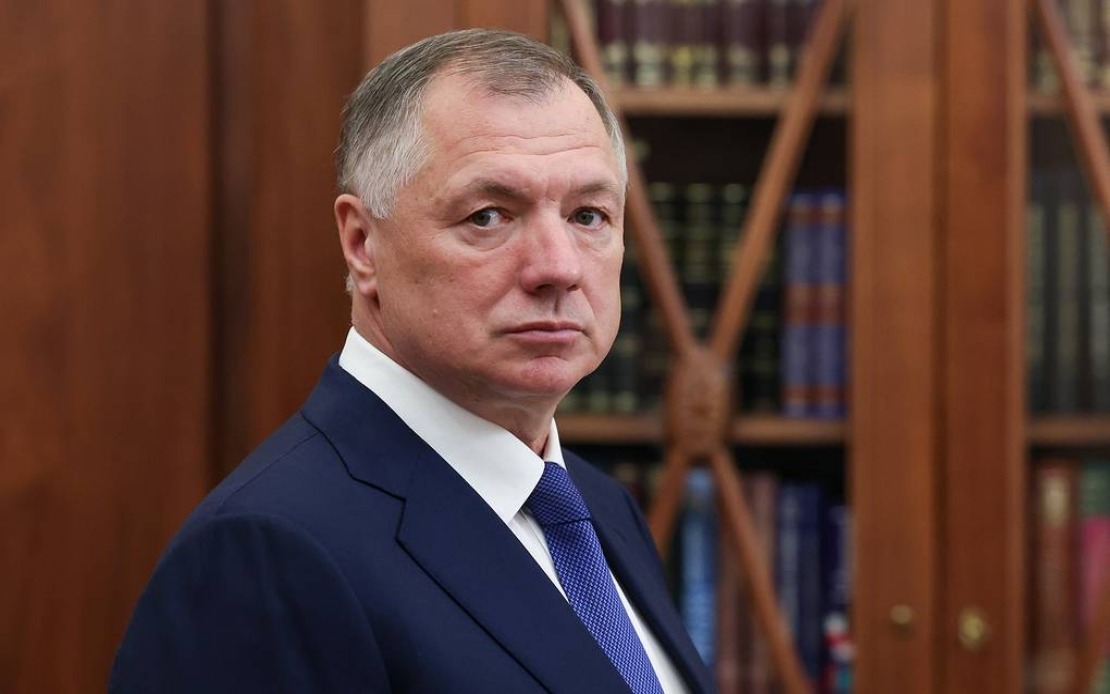
Russia is intensifying efforts to construct a rail corridor stretching to the Indian Ocean, a strategic move aimed at reducing vulnerability to disruptions at critical maritime chokepoints, according to Russian Deputy Prime Minister Marat Khusnullin. The initiative reflects Moscow's assessment that existing shipping routes, particularly through the Bosphorus and the Strait of Hormuz, carry elevated geopolitical risks that could jeopardise Russian trade and economic interests. The proposed infrastructure project would traverse Central Asia, potentially running through Turkmenistan, Iran, Afghanistan, and Pakistan, creating a land-based alternative that would grant Russia direct access to Indian Ocean ports and the broader Indian subcontinent market.
Khusnullin outlined the strategic rationale during an interview with TASS, emphasising that any route providing viable access to India would be acceptable to Moscow. The flexibility in the proposal suggests Russia is willing to negotiate partnerships with multiple countries across the region to materialise the project. For Southeast Asia, this development carries implications for regional trade patterns and geopolitical alignment. A functional Russia-India rail corridor would reshape logistics networks across Central and South Asia, potentially offering alternative shipping arrangements that bypass traditional maritime routes where Western naval dominance remains strong.
The timing of Russia's railway ambitions is inseparable from escalating tensions in the Middle East. On February 28, conflict between the United States and Israel on one side, and Iran on the other, prompted the Islamic Revolutionary Guard Corps to conduct extensive retaliatory strikes targeting American and Israeli military installations across the Gulf region, including facilities in Bahrain, Jordan, Iraq, Qatar, Kuwait, the United Arab Emirates, and Saudi Arabia. These hostilities have created genuine uncertainty regarding safe passage through the Strait of Hormuz, one of the world's most strategically vital waterways.
In response to military aggression, Iranian authorities implemented measures restricting passage through the Strait of Hormuz for vessels connected to the United States, Israel, and nations perceived as supporting actions against Iran. This blockade carries profound economic consequences given the strait's centrality to global energy commerce. Approximately 25 per cent of worldwide oil shipments and roughly 20 per cent of liquefied natural gas transfers depend on this passage, making any disruption a matter of acute global concern. The vulnerability of this chokepoint has prompted multiple nations, including Russia, to recalibrate their strategic planning around potential alternative pathways.
Russia's construction sector, according to Khusnullin, possesses the capacity to undertake such an expansive infrastructure initiative. The deputy prime minister indicated that the Russian construction industry currently operates with the capability to absorb one trillion rubles in annual investment, a sum representing the current demand for long-term financing in the sector. However, he argued that securing sustained funding over a five-year horizon would enable the industry to expand its productive capacity substantially, facilitating even larger construction volumes than presently feasible.
The proposed railway project would constitute one of the most ambitious infrastructure undertakings in contemporary Asian geopolitics. By linking Russian territories with Indian Ocean access through land routes, the corridor would fundamentally alter trade economics for participating nations. For Malaysia and neighbouring Southeast Asian economies, such infrastructure could influence regional shipping patterns and create new opportunities for logistics hubs positioned along the extended corridor. The project also demonstrates Moscow's determination to maintain economic integration with Asia despite Western sanctions and geopolitical isolation.
The Central Asian routing would necessitate extensive diplomatic coordination among Russia, the transit nations, and India as the ultimate destination. Afghanistan's current political situation under Taliban governance introduces complexity, as does the fragile security environment in parts of the region. Nevertheless, the economic incentives for participating countries appear sufficiently compelling that negotiations are likely to advance despite these obstacles. Turkmenistan and Pakistan, both positioned on potential corridors, would gain leverage in regional economics and could position themselves as crucial transit intermediaries.
From an Asian perspective, the railway initiative reflects broader efforts to diminish dependence on maritime routes controlled or monitored by Western powers. China has already invested substantially in the Belt and Road Initiative, creating overland connections across Asia. Russia's railway vision, while distinct in scope and purpose, complements these broader Asian economic integration trends. The project underscores how traditional geopolitical divisions are prompting alternative infrastructure development that may reshape commercial patterns across the continent for decades to come.
The financial commitment outlined by Khusnullin suggests Russia views this corridor as essential to long-term economic viability. A railway connection to the Indian Ocean would provide Russian exporters with access to massive markets in South Asia while reducing exposure to Western sanctions regimes that primarily target maritime shipping. For Southeast Asian nations, the emergence of alternative transcontinental routes could offer new partnerships, transit revenues, and strategic flexibility in balancing relationships between major powers.
The railway project also intersects with broader questions of energy security and supply chain resilience affecting the entire Indo-Pacific region. As geopolitical competition intensifies between established powers and rising centres of influence, infrastructure investments increasingly reflect strategic calculations about regional stability and economic autonomy. Russia's pursuit of an Indian Ocean rail corridor exemplifies how nations are investing in infrastructure not merely for commercial returns but as instruments of geopolitical positioning in an increasingly multipolar world.

