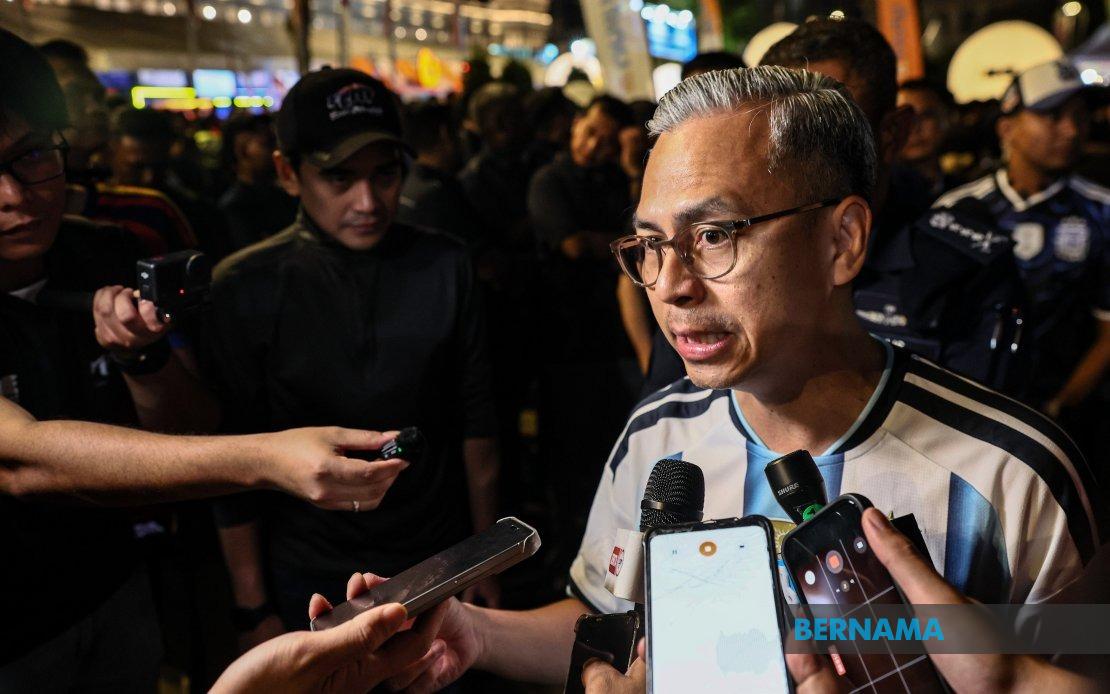
Radio Televisyen Malaysia (RTM) is poised to significantly expand its sports broadcasting portfolio by securing rights to additional major international sporting competitions, riding on the momentum of its comprehensive coverage of the 2026 FIFA World Cup. Communications Minister Datuk Seri Fahmi Fadzil revealed the broadcaster's ambitions during an event at Dataran Merdeka on July 20, noting that Director-General Ashwad Ismail had briefed him on plans to bring several premium tournaments to Malaysian audiences through free-to-air channels. The specific events have not yet been publicly disclosed, but an announcement is expected in the coming months.
The decision to pursue additional broadcasting agreements reflects RTM's successful navigation of the 2026 World Cup transmission, which required substantial technical infrastructure and coordination to deliver uninterrupted coverage across multiple time zones and matches. Despite encountering initial technical difficulties, the broadcaster managed to identify and rectify problems quickly, ensuring that Malaysian viewers could access the tournament without subscription barriers. This achievement has positioned RTM as a credible partner for future major sporting events, enhancing its negotiating position with international sports bodies and rights holders who increasingly value the reach and accessibility offered by free-to-air platforms.
Fahmi emphasized that a comprehensive performance review of the World Cup broadcast would be conducted once final viewership figures are compiled. These metrics will prove crucial in demonstrating RTM's audience reach to prospective rights holders and justifying investments in future sporting transmissions. The emphasis on data-driven decision-making signals a professional approach to acquiring additional content, moving beyond assumptions about audience size to grounding negotiations in concrete evidence of viewer engagement across different demographics and regions within Malaysia.
The Communications Ministry's approach to sports broadcasting represents a deliberate shift toward public service television values, prioritizing accessibility and national interest over commercial exclusivity. By securing free-to-air rights rather than subscription-based arrangements, RTM ensures that sports remain within reach of all Malaysians regardless of economic circumstances. This philosophy extends beyond mere entertainment; international sporting events serve as cultural touchstones that unite diverse communities and foster national pride, making their accessibility a matter of public policy rather than profit maximization.
Technological advancement featured prominently in Fahmi's comments, with particular reference to expanding viewing platforms beyond traditional television sets. The integration of smartphone and mobile device viewing represents a critical modernization that aligns with consumption patterns among younger Malaysian audiences who increasingly favour on-demand and portable media. RTM's exploration of these technologies during World Cup coverage has provided valuable operational experience that will inform future broadcasts, ensuring the organisation remains competitive in an era where multiple viewing devices are the norm rather than the exception.
Ashwad's emphasis on collaborative rather than competitive approaches to broadcasting rights signifies a notable departure from traditional industry practices. The Broadcasting Department's vision positions major sporting events as shared national resources where partnerships with other local media organisations enhance overall content distribution rather than fragmenting audiences. This strategy recognises that no single broadcaster can serve all demographic segments equally, and that strategic cooperation amplifies reach while reducing the overall cost burden on public institutions. By framing sports broadcasting as a unifying endeavour transcending commercial rivalry, RTM articulates a philosophy grounded in public interest.
The collaborative framework outlined by Ashwad extends beyond World Cup coverage into a broader vision for future major sporting competitions, including Olympic Games, continental championships, and other internationally significant events. This commitment suggests RTM is developing systematic partnerships with media organisations that can jointly invest in rights acquisition and distribution infrastructure. Such arrangements reduce financial risk for individual broadcasters while ensuring Malaysian audiences maintain consistent access to world-class sporting content without requiring multiple subscriptions or platform registrations.
Malaysia's broadcasting landscape has traditionally been fragmented, with rights to major sporting events scattered across terrestrial channels, cable networks, and streaming platforms. The unified approach championed by RTM addresses viewer frustration with the complexity of accessing sporting content and reflects broader Southeast Asian trends toward consolidating free-to-air sports access. Singapore and Thailand have similarly invested in public broadcaster capacity to secure major sporting events, recognising that sports audiences represent shared national experiences that strengthen social cohesion.
The financial implications of securing multiple major sporting events simultaneously require careful budgeting and prioritisation. While exact acquisition costs remain confidential, major sporting rights command substantial fees in competitive international markets. RTM's success with the World Cup provides justification for increased budget allocations from government sources, though the organisation will likely pursue hybrid funding models combining government support with commercial partnerships and advertising revenue. This financial architecture ensures sustainability while maintaining free-to-air accessibility for viewers.
For Malaysian viewers, the expansion of RTM's sports portfolio addresses a significant gap in entertainment offerings and demonstrates confidence in the broadcaster's technical capabilities and audience trust. Successive major sporting events will strengthen audience loyalty to RTM's digital platforms and traditional channels, potentially reversing declining viewership trends that public broadcasters across Asia have experienced. The psychological impact of regularly accessing world-class sporting content through familiar national institutions reinforces attachment to RTM among both casual and dedicated sports enthusiasts.
The timing of these announcements during the post-World Cup period proves strategically advantageous for RTM, capitalising on heightened public interest in sports broadcasting and demonstrated consumer appetite for major tournaments. Industry observers will monitor which specific sporting properties RTM secures, as these choices will indicate the broadcaster's strategic priorities and its assessment of which events generate sufficient Malaysian audience interest to justify investment. Football-focused properties seem likely, but acquisitions spanning multiple sports would signal a comprehensive approach to sports content acquisition.
Regional implications extend to how Malaysia positions itself within ASEAN's media landscape. By maintaining free-to-air access to premium international sporting content, Malaysia potentially attracts viewership from neighbouring countries where paid subscription remains barriers to entry. This positions RTM competitively against regional broadcasters and reinforces Malaysia's soft power through entertainment and sports diplomacy. The investment in sports broadcasting becomes inseparable from broader narratives about national capability and governance quality.

