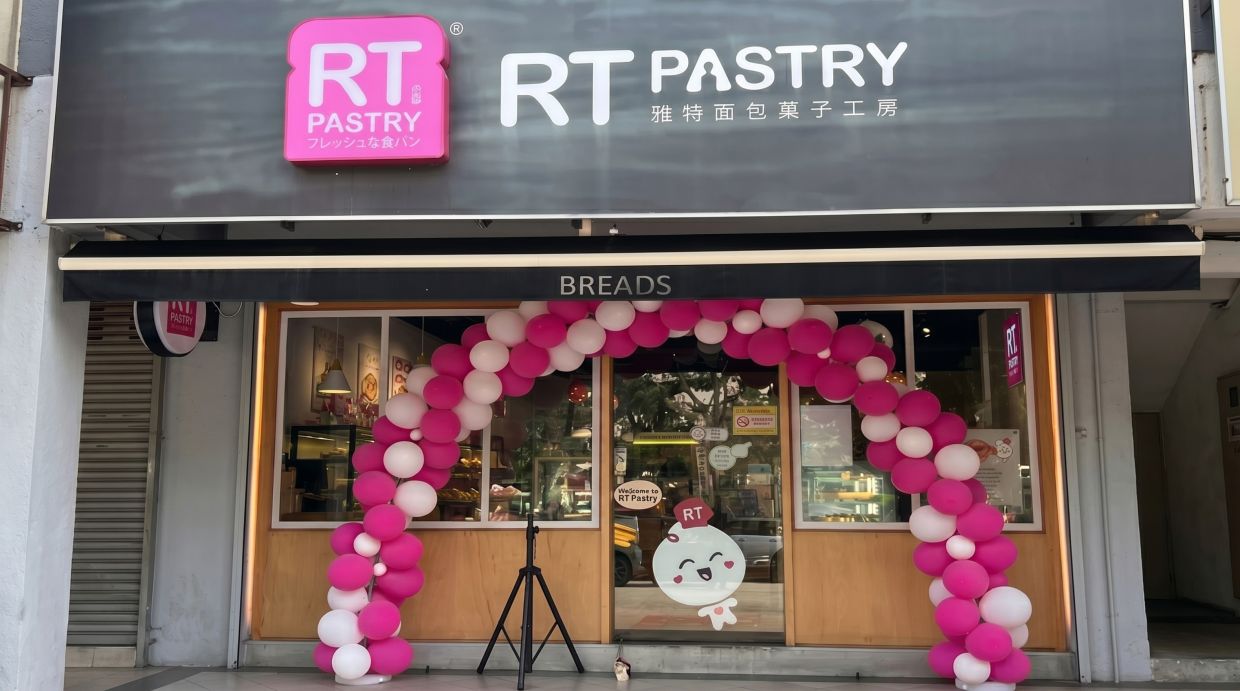
RT Pastry Holdings Bhd has successfully obtained halal certification from the Department of Islamic Development Malaysia (JAKIM) for its primary manufacturing operation, marking a significant milestone in the bakery group's expansion across Malaysia's competitive halal-certified food sector. The accreditation applies to Plant 1, located in Taman Bukit Serdang in Seri Kembangan, and represents the company's commitment to meeting stringent Islamic dietary standards across its operations.
The certification, formally issued on July 1, carries validity through June 30, 2028, providing the company with a seven-year operational window under this accreditation. This extended validity period allows RT Pastry to maintain consistent market positioning and consumer confidence without requiring immediate recertification. The scope of the certification encompasses the company's extensive product range, including cakes, Swiss rolls, pastries, cookies, desserts and related bakery items, demonstrating JAKIM's comprehensive assessment of the facility's production capabilities.
The accreditation was granted under the Malaysian Halal Standard MS1500:2019, a comprehensive framework that establishes rigorous benchmarks for sourcing raw materials, manufacturing processes, product handling, and sanitation protocols. Compliance with this standard ensures that all products manufactured at the facility meet Islamic dietary requirements and reflect international best practices in food safety. The standard represents Malaysia's commitment to positioning itself as a global halal certification leader, with implications extending beyond domestic consumption to export markets across Southeast Asia and beyond.
This achievement reflects RT Pastry's broader expansion strategy within Malaysia's halal food ecosystem. The company already operates Plant 2 in Glenmarie, which secured JAKIM halal certification in 2023, indicating a deliberate two-facility approach to manufacturing capacity and geographic distribution. The dual-facility structure positions RT Pastry to respond flexibly to market demand while maintaining segregated production capabilities that can serve different customer segments and distribution channels.
According to Lu Chun-Neng, executive director and group chief executive officer, the certification transcends mere regulatory compliance and signals the company's broader commitment to quality assurance and consumer trust. He emphasized that halal certification represents a statement of integrity in sourcing and manufacturing practices, reinforcing the assurance that consumers receive when purchasing RT Pastry products. This framing is particularly important in Malaysia's bakery market, where halal certification has become a competitive differentiator and a fundamental consumer expectation rather than an optional advantage.
The timing of this certification arrives as Malaysia's halal food sector continues to gain prominence both domestically and internationally. Malaysian halal products have become increasingly sought after in regional markets, driven by growing Muslim populations across Southeast Asia and heightened awareness of halal standards globally. RT Pastry's dual certifications position the company to capitalize on both local consumption trends and export opportunities, particularly within ASEAN markets where halal certification carries significant commercial value.
For Malaysian bakery consumers, the certification provides transparent assurance regarding product sourcing and manufacturing integrity. This is particularly meaningful given consumer awareness about food safety and religious dietary requirements. The breadth of products covered—from cakes to cookies to desserts—suggests that RT Pastry serves diverse customer segments, from individual consumers to institutional buyers such as hotels, restaurants, and retail chains seeking certified halal suppliers.
The company's emphasis on expansion and product diversification, as mentioned by Lu, suggests that the Seri Kembangan facility certification enables RT Pastry to introduce new bakery products to the market with confidence in meeting JAKIM standards. This could support the company's growth trajectory in a market where halal-certified bakery products command premium positioning and customer loyalty. The certification also enhances the company's negotiating position with major retailers and food service operators who increasingly require verified halal certification from their suppliers.
From a broader industry perspective, RT Pastry's achievement underscores how Malaysian food manufacturers continue investing in regulatory compliance as a strategic business advantage. JAKIM certification has evolved beyond a religious obligation to become a market necessity, influencing purchasing decisions among Muslim and non-Muslim consumers alike who associate halal standards with quality and food safety. This evolution reflects Malaysia's successful positioning of halal certification as a universal quality standard rather than a niche requirement.
Looking forward, the seven-year validity period provides RT Pastry with stability for operational planning and capital investment decisions. The company can confidently market its products with certified halal status while focusing resources on innovation, capacity expansion, and market development rather than frequent recertification cycles. This operational certainty supports the company's stated ambition to expand its customer base while sustaining manufacturing excellence across both facilities.

