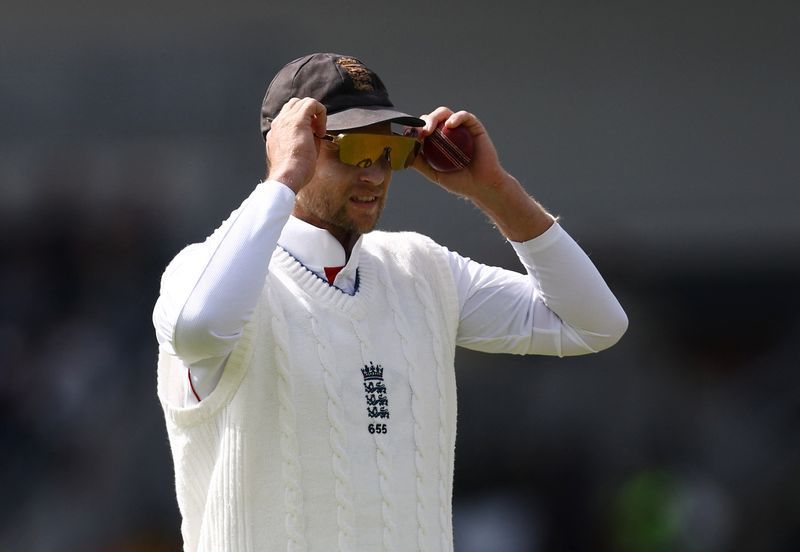
England cricket captain Joe Root has made clear his exasperation with what he describes as a persistent pattern of preventable disciplinary failures, following the latest controversy involving fast bowler Brydon Carse at a nightclub. The 31-year-old pace bowler has been dropped from the second test match against Pakistan, which begins on Thursday at Lord's, after social media footage emerged showing him in handcuffs during a police interaction. Root's candid response signals growing tension within the national squad over conduct standards and the damage such incidents inflict on the team's professional reputation.
Carse's removal from the squad represents the culmination of mounting concerns within English cricket about player behaviour away from the field. The bowler was briefly arrested but subsequently de-arrested without formal charges being filed. However, the England and Wales Cricket Board has initiated an independent investigation to determine whether he violated the organisation's code of conduct. This action underscores the ECB's determination to establish clear boundaries, yet the repeated nature of similar incidents suggests systemic issues within the playing group that extend beyond individual indiscretion.
The current situation reflects a troubling sequence of high-profile nightclub-related incidents involving England cricketers. Harry Brook, Ben Duckett, former captain Ben Stokes, and Gus Atkinson have all previously been caught up in similar episodes, creating a narrative around a permissive drinking culture within the squad. These accumulating incidents have attracted widespread criticism from media commentators and cricket observers, who question whether the team's leadership has adequately addressed underlying cultural problems. The frequency of these occurrences suggests that isolated warnings and individual interventions have failed to produce meaningful behavioural change.
During a media briefing on Tuesday, Root articulated his personal frustration with directness rarely witnessed from senior team management. He stated unequivocally that he is "really hacked off" and disappointed, emphasising that his concern extends beyond the immediate incident itself. Instead, Root highlighted the cumulative effect of recurring mistakes that he believes directly undermine the team's on-field performance and collective objectives. This assessment reflects a growing understanding among cricket leadership that off-field conduct and on-field excellence are interconnected, with lapses in one sphere inevitably compromising achievements in the other.
Root's comments carry particular weight given his recent return to the captaincy following Ben Stokes' retirement from international cricket. As the newly reinstated leader, Root has positioned himself as the architect of a transformed team culture, one that players and supporters can take genuine pride in. However, his authority and vision face immediate credibility challenges given that multiple squad members continue to make what he characterises as avoidable mistakes. The captain's frank acknowledgment of these problems suggests he recognises that cosmetic responses will prove insufficient to address what appears to be a deeper cultural malaise requiring substantial institutional reform.
The squad has already engaged in team-wide discussions outlining expectations and standards of behaviour befitting international cricketers. Root indicated that players understand precisely what is demanded of them as representatives of England, including the significance and responsibility inherent in wearing the national colours. These conversations ostensibly establish clear parameters around acceptable conduct. Yet the continued violation of these agreed standards by multiple players suggests either that the conversations lack sufficient force and consequence, or that squad members are discounting the seriousness of breaching them. Root's language indicates palpable frustration that explicit warnings appear to have generated insufficient attitudinal change.
Regarding Carse himself, Root conveyed a more sympathetic perspective alongside his broader criticism. The captain revealed that his initial concern centred on Carse's personal wellbeing rather than the disciplinary dimensions of the incident. According to Root's assessment, Carse is genuinely remorseful, fully acknowledges the gravity of his actions, and understands the professional consequences he has incurred. Root suggested that Carse will ultimately offer his own public explanation when circumstances permit, indicating that the bowler's current exclusion should be viewed as a corrective measure from which rehabilitation remains possible, rather than permanent career termination.
Carse has been replaced in the squad by Sonny Baker for the Lord's encounter, allowing England to proceed with their test schedule against Pakistan. The English team enters this match with considerable momentum, having comprehensively defeated Pakistan by an innings and 103 runs in the opening test. This commanding performance demonstrated the quality of England's cricket when the squad maintains focus on technical excellence. However, Root's evident frustration suggests he recognises that such on-field superiority cannot be sustainably achieved if persistent off-field behavioural failures continue to distract the group and consume management attention and energy.
The broader implications extend beyond immediate squad management into questions about institutional responsibility within English cricket. The ECB's decision to investigate Carse's conduct signals that governing bodies are prepared to enforce consequences, yet critics may reasonably question why preventive measures and cultural interventions have proven insufficient to avert such incidents in the first place. The regularity of these episodes invites scrutiny of recruitment practices, team environment management, and leadership accountability. For Malaysian cricket observers and regional sports enthusiasts, England's struggles with player conduct offer instructive lessons about the institutional prerequisites necessary to maintain high-performing international teams.
Looking ahead, England faces a critical juncture in establishing whether Root's expressed commitment to cultural transformation translates into sustained behavioural change. The team will contest the second test at Lord's followed by a third test in Birmingham next month, providing immediate opportunities to demonstrate that recent incidents represent aberrations rather than reflecting endemic problems. Root's determined tone suggests he recognises that England's cricket aspirations depend fundamentally on establishing a professional environment where individual restraint and collective responsibility supersede short-term social indulgences. The coming weeks will reveal whether the squad can translate this message into consistent practice.

