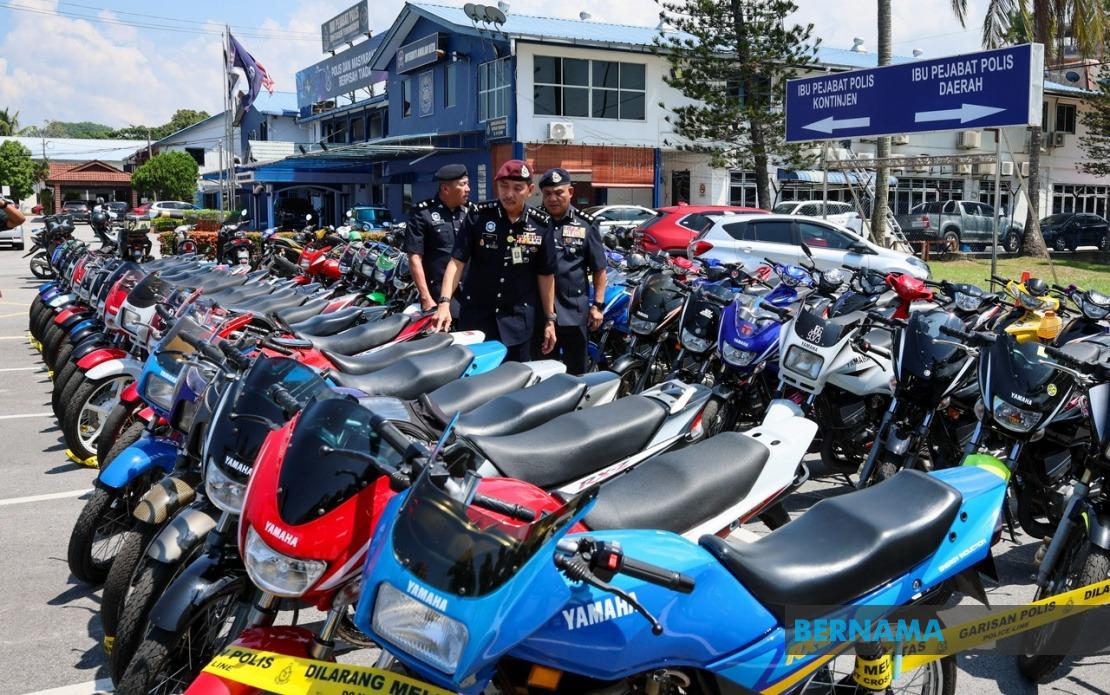
Road safety advocates are pressing for urgent institutional changes to address mounting fatalities at Malaysia's largest annual motorcycle gathering. Shahrim Tamrin, a former board member of the Malaysian Institute of Road Safety Research (MIROS), has called on the government, enforcement authorities and the RXZ Members programme organisers to adopt a sophisticated risk management framework after the latest edition recorded an alarming spike in deaths and accidents.
The RXZ Members 8.0 programme, which concluded recently at the Gong Badak Motor Racing Circuit in Kuala Nerus, drew more than 200,000 participants across a four-day event from July 30. This represented the largest turnout since the event's inception in 2017, fundamentally reshaping its operational scale and safety complexity. According to Bukit Aman Traffic Investigation and Enforcement Department director Datuk Seri Muhammed Hasbullah Ali, the gathering witnessed 46 recorded road accidents among motorcyclists during the period, comprising 11 fatal collisions accounting for nearly a quarter of all incidents.
The trajectory of casualties over recent years presents an undeniable pattern demanding systemic intervention. Deaths have climbed progressively from two fatalities in 2024, to five in 2025, culminating in eleven deaths in 2026. This threefold increase over three years suggests that conventional traffic enforcement methods have proven insufficient to manage an event of this unprecedented scale. Shahrim emphasised that the RXZ gathering has evolved beyond a casual motorcycle enthusiast meetup into a phenomenon comparable to major international motorsports events, necessitating professional event risk management disciplines rather than reactive emergency responses.
Tamrin's framework proposes specific structural elements that event planners must incorporate before the next edition. These include detailed participant flow projections, strategically mapped entry and exit thoroughfares, designated recovery zones where riders can rest safely, predetermined ambulance positioning for rapid response capability, and an integrated emergency command centre. Additionally, organisers must establish clear communication protocols and conduct thorough pre-event hazard assessments to identify vulnerabilities in the operational design. This multifaceted approach reflects international best practices for managing large-scale public events where participant safety intersects with public road infrastructure.
Beyond immediate event logistics, Shahrim advocates for rigorous post-event analysis mechanisms that would inform future iterations. He proposes comprehensive safety audits documenting accident frequencies, geographical hotspots, temporal patterns, contributing factors, participant demographics and enforcement effectiveness. Critically, he insists such audit findings must be publicly released before the subsequent year's event, permitting evidence-based refinements rather than allowing ad-hoc modifications to perpetuate inadequate safety standards. This transparency requirement represents a significant shift from typical event management, where safety data often remains confidential or internal.
Parallel enforcement concerns extend beyond collision prevention into environmental and regulatory compliance. Shahrim noted persistent complaints from residents near the racing circuit regarding excessive noise and smoke emissions from heavily modified motorcycles. He urged authorities to strengthen enforcement of established noise and exhaust emission standards, indicating that these modifications simultaneously represent both environmental nuisances and potential safety liabilities. Many RXZ motorcycles, predominantly vintage Yamaha models, have undergone extensive customisation that may compromise structural integrity and handling characteristics, potentially contributing to accident severity.
A significant portion of motorcycles participating in RXZ gatherings are aging machines, with many units ranging between twenty and thirty-five years old. Their longevity reflects both technical durability and cultural attachment, yet poses documentation challenges. Shahrim recommended that the Road Transport Department (JPJ) establish streamlined re-registration pathways for roadworthy Yamaha RXZ motorcycles that encounter paperwork obstacles, provided they successfully complete inspections at the Computerised Vehicle Inspection Centre (Puspakom). However, he emphasised that safety-compromising modifications should face strict rejection, requiring either restoration to original specifications or permanent removal from road use. This balanced approach protects both enthusiast participation and regulatory integrity, ensuring all motorcycles maintain valid road tax and insurance documentation.
Operational coordination requires partnership between enforcement agencies and the motorcycle community itself. Shahrim advocated for collaborative training initiatives between police, JPJ officials and RXZ club leadership to develop marshal and group leader competencies in safe convoy protocols. Experienced marshals functioning as trained safety coordinators could significantly reduce accident rates through early hazard detection and controlled group movement. This represents a departure from conventional law enforcement's reactive posture toward proactive community participation in safety management.
Travel advisory systems modelled on highway concessionaire practices during festive seasons could substantially improve participant decision-making. These systems would disseminate real-time information regarding congestion periods, alternative route recommendations, and strategically positioned rest facilities. By distributing participant movement across broader time windows and route networks, such advisories would alleviate the dangerous concentration of traffic that characterises current event patterns. Similar mechanisms have proven effective during major Malaysian holidays, demonstrating feasibility within local contexts.
The RXZ phenomenon reflects broader challenges facing Malaysian motorcycle culture and road safety infrastructure. As motorcycle ownership remains economically accessible and culturally significant across diverse demographics, large participatory events will continue attracting massive numbers. Without proactive institutional responses, each successive year risks further casualties. Implementing Tamrin's comprehensive framework would transform event management from crisis response to preventive systematic planning, establishing Malaysia as a regional leader in managing large-scale motorcycle events responsibly while respecting enthusiast participation and cultural traditions.

