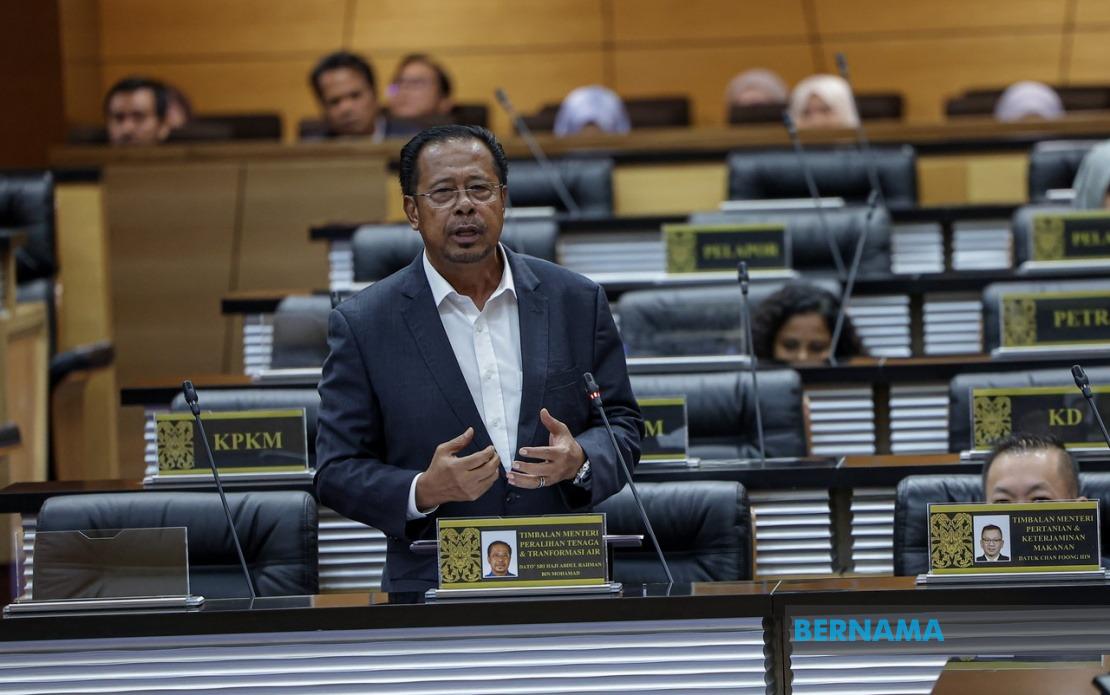
Malaysia's infrastructure push to combat recurring flood disasters continues with a major river development initiative in Johor. The RM99.8 million Integrated River Basin Development (PLSB) project for Sungai Skudai, unveiled in Parliament on June 30, represents a significant government commitment to transforming one of the state's most flood-prone waterways into a controlled, resilient water management system. Deputy Minister of Energy Transition and Water Transformation Datuk Seri Abdul Rahman Mohamad announced the scheme during a Dewan Rakyat session, confirming it will ultimately benefit approximately 15,000 residents while reducing flood vulnerability across 50 hectares of surrounding areas.
The initiative forms part of the 12th Malaysia Plan and reflects growing recognition among federal policymakers that localized, basin-level approaches offer superior flood mitigation compared to ad-hoc interventions. Currently in pre-implementation phase, the project encompasses meticulous planning, geological investigations, and administrative groundwork before heavy machinery arrives at construction sites. A consultant team appointed in May 2025 is preparing the comprehensive concept report that will govern all subsequent phases. These preparatory stages, though invisible to the public, ultimately determine project success by identifying potential engineering challenges, environmental constraints, and community considerations that could derail timelines or inflate costs.
Survey activities commenced in November 2025 and are projected to conclude by May 2027, providing engineers with detailed topographical and hydrological data essential for designing effective interventions. Simultaneously, the land acquisition process began in June 2026 with completion anticipated by August 2027, a critical administrative milestone that often encounters delays due to title disputes or compensation negotiations with affected landowners. The contractor procurement and appointment process will commence once all technical specifications have been finalized, with ground-breaking scheduled for mid-2027. This carefully sequenced timeline demonstrates the complexity inherent in large-scale water infrastructure projects that must navigate multiple regulatory frameworks and stakeholder requirements.
The engineering design itself reflects contemporary flood management philosophy in Southeast Asia. The 46-kilometre Sungai Skudai will undergo comprehensive bank reinforcement works, while selected stretches will be widened to approximately 15 metres, substantially increasing water conveyance capacity during monsoon peaks. These physical modifications aim to prevent the river from overflowing into adjacent residential and commercial zones that currently experience inundation during heavy rainfall events. Beyond mere containment, the project aspires to restore ecological integrity by improving water circulation patterns and potentially reintroducing native aquatic species to a waterway that has degraded through decades of urbanization and agricultural encroachment.
Deputy Minister Mohamad emphasized that the project addresses multiple stakeholder needs simultaneously. Local fishermen will benefit from improved navigability and restored fish populations resulting from enhanced river health. Maritime security and emergency management agencies will gain better operational capabilities through clearer waterways and improved drainage infrastructure that facilitates rapid response to flooding incidents. The comprehensive ecosystem restoration component signals movement away from purely grey infrastructure solutions toward hybrid approaches that balance flood protection with environmental preservation, increasingly demanded by Malaysian civil society and international development standards.
The ministry has already identified approximately 50 distinct flood hotspots along the Sungai Skudai corridor, with five concentrated in the Kulai area, enabling targeted interventions that will yield immediate benefits even before the main project's completion. In the interim, six smaller-scale pilot projects worth approximately RM700,000 have been funded and are being rolled out to address the most acute localized flooding problems. These stopgap measures demonstrate adaptive management thinking, allowing the government to provide tangible relief to affected communities while longer-term infrastructure development proceeds through its lengthy approval and construction cycles.
For Malaysian readers, particularly those in Johor's urban and peri-urban zones, the Sungai Skudai initiative carries profound implications. Johor experiences some of Malaysia's most severe and repetitive flooding, with climate change intensifying precipitation patterns and extending monsoon seasons. Residential property values in flood-prone areas remain suppressed, constraining wealth accumulation for homeowners. Businesses repeatedly suffer inventory losses and operational disruptions. The PLSB project directly addresses these chronic vulnerabilities, potentially unlocking economic growth in currently risk-burdened communities and improving living standards for vulnerable populations disproportionately affected by inundation.
The project also signals broader policy shifts within the water and energy transition ministry. Rather than viewing floods as inevitable natural disasters demanding emergency response, the government increasingly frames them as manageable through integrated planning that considers hydrology, land use, ecosystem health, and community resilience simultaneously. This represents movement toward strategic thinking aligned with international best practices seen in Dutch river management, Vietnamese Mekong Delta adaptation, and Thai water security initiatives. Southeast Asian nations facing similar climate-driven water challenges increasingly recognize that fragmented, single-purpose infrastructure yields inferior outcomes compared to holistic basin-level approaches.
Paralleling the Sungai Skudai announcement, the Ministry of Works disclosed details regarding the RM174.53 million Phase Three upgrading of Pasir Gudang Highway (FT17). Minister Datuk Seri Alexander Nanta Linggi confirmed that contrary to earlier concerns, the project will not require acquisition of land owned by Keretapi Tanah Melayu Berhad (KTMB), eliminating a potential implementation bottleneck. Instead, works near railway corridors will proceed through work permits and right-of-way agreements negotiated with KTMB, an arrangement that avoids lengthy compensation processes and potential litigation. Construction near the railway infrastructure is scheduled for February 2027 through December 2028, aligning with the broader infrastructure push across Johor's transportation network.
The coordination between water management and transport infrastructure improvements reflects integrated regional development thinking increasingly prevalent in Malaysian planning circles. Johor's rapid urbanization requires simultaneous advancement across multiple infrastructure domains to achieve sustainable growth. The Sungai Skudai project will enhance residential and commercial viability in flood-prone areas, while the Pasir Gudang Highway upgrade will facilitate goods movement and labor mobility essential for economic expansion. Together, these initiatives position Johor to absorb population growth and industrial development while improving quality of life for existing residents.
Implementation risks remain, however. Malaysian infrastructure projects frequently experience delays and cost overruns due to unforeseen geological conditions, contractor capacity constraints, or bureaucratic coordination failures across multiple agencies. The mid-2027 physical construction start date represents an optimistic projection contingent upon timely completion of surveying, land acquisition, and procurement processes. Weather disruptions during the monsoon season could further compress working windows. Community displacement resulting from land acquisition may generate political resistance requiring skilled negotiation and fair compensation. Environmental assessment findings might mandate design modifications affecting timelines and budgets.
The Sungai Skudai project ultimately reflects Malaysia's evolving approach to climate adaptation and urban resilience. Rather than accepting flood victimization as unavoidable, policymakers increasingly commit substantial resources toward systemic solutions that provide long-term protection while delivering environmental and economic co-benefits. For the 15,000 residents directly affected and the broader Johor population depending on integrated water management, successful execution could transform regional flood vulnerability into managed risk. Success requires sustained political commitment, professional project management, and effective coordination across multiple government agencies—challenges that will test Malaysian institutional capacity as implementation proceeds across the coming years.

