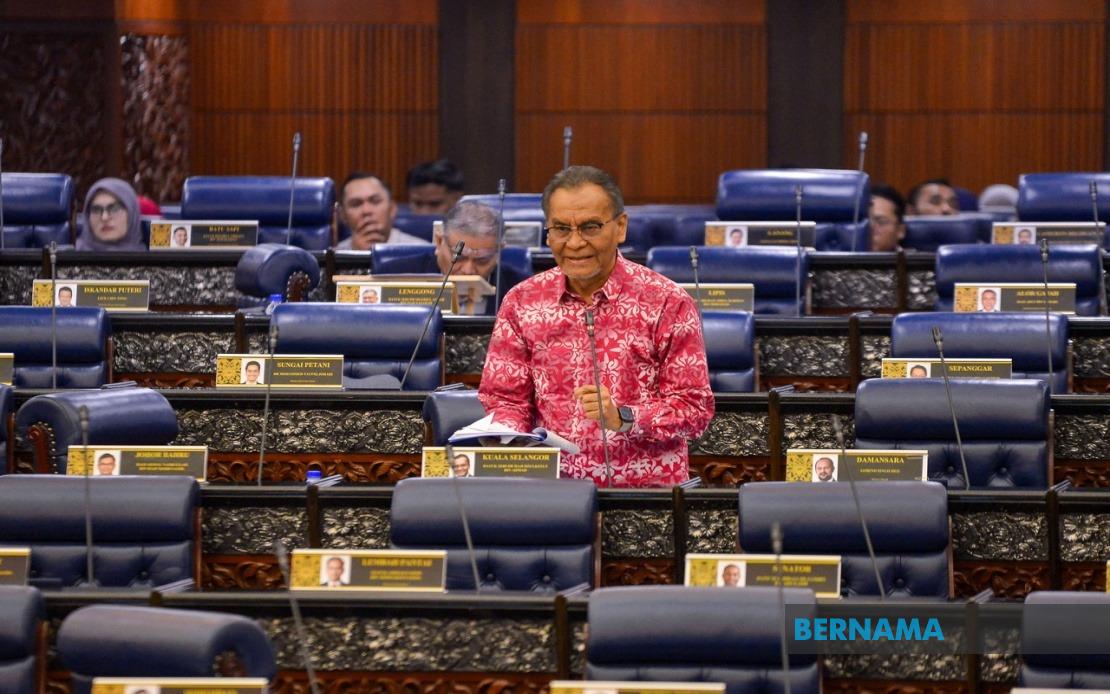
Health Minister Datuk Seri Dr Dzulkefly Ahmad has moved to calm concerns over a RM500 million expenditure restriction warrant affecting the Ministry of Health, describing the measure as a technical recalibration rather than a substantive budget cut. Speaking in the Dewan Rakyat on July 2, Dzulkefly emphasised that the adjustment, representing approximately 1.07 per cent of the MOH's total allocation of nearly RM46.52 billion for the year, would not compromise healthcare delivery or operational capacity across the public health system.
The minister explained that the expenditure restriction stems from a surplus in allocations earmarked for positions that remain unfilled. The MOH has approval from the Public Service Department for 18,641 positions this year, yet despite this authorised complement, the ministry cannot locate sufficient qualified personnel to occupy all vacancies. This staffing shortfall has created an opportunity for budgetary savings without requiring operational compromises, according to Dzulkefly's account. The unused allocation represents funds that would have been disbursed had the positions been filled, making the restriction a matter of financial efficiency rather than austerity.
Addressing specific concerns raised by Datuk Shahelmey Yahya from Putatan and supplementary questions from Abdul Latiff Abdul Rahman of Kuala Krai, Dzulkefly clarified that the restriction does not touch allocations designated for day-to-day operations, capital development projects, staff remuneration, professional development and training, or the acquisition of medical equipment and diagnostic apparatus. Instead, the adjustment was achieved through strategic expenditure reallocation, with the government prioritising prudent financial management and optimal deployment of available resources. This distinction is crucial for understanding how the ministry can absorb the restriction without operational friction.
Concerns had been raised that such fiscal adjustments would ripple through the healthcare system, particularly affecting rural health facilities and hospital service quality. Dzulkefly rejected these worries as misplaced, asserting that all fundamental healthcare services and health development initiatives will proceed unchanged. The reassurance carries weight given that the restriction represents a relatively modest proportion of the overall health budget, though the absolute figure nonetheless warrants public explanation in a sector where resources are perpetually stretched.
The timing of the finance ministry's restriction warrant, issued on June 5, places this adjustment during a period of heightened scrutiny over government spending and fiscal discipline. The RM500 million represents funds the government seeks to conserve amid broader budgetary pressures. For Malaysian health sector observers, the challenge lies in determining whether the ministry's assurances align with ground-level realities in hospitals and clinics. Staffing vacancies in the public health system have been a persistent structural challenge, particularly in specialised areas and rural postings where recruitment and retention prove difficult.
Beyond the budgetary adjustment, Dzulkefly used the parliamentary session to unveil initiatives addressing another significant health sector concern: escalating private healthcare costs. The Joint Committee on Private Healthcare Costs (GBMKKS) will introduce a basic health insurance scheme known as the Base Medical and Health Insurance/Takaful, abbreviated as MHIT. This plan represents an effort to provide affordable, fundamental health coverage to Malaysian consumers while protecting them from catastrophic medical expenses resulting from private treatment. The scheme will undergo piloting at selected hospitals during July before expanding to full nationwide implementation in January 2027.
The MHIT initiative reflects growing anxiety among Malaysian households about private healthcare affordability. Rising insurance premiums and out-of-pocket costs have increasingly marginalised middle and lower-middle income families seeking private medical treatment, driving them toward the already-stressed public healthcare system. By offering an accessible basic coverage option, the government aims to create an intermediate tier between self-funded private care and heavily subsidised public services. This positioning could help alleviate pressure on public hospitals while providing consumers with genuine choice.
Complementing the insurance initiative, the government is rolling out a Diagnosis Related Groups payment system designed to standardise hospital charging and reimbursement mechanisms across the healthcare landscape. This system will apply to public, private, university-affiliated, and military hospitals, creating a unified benchmarking framework for procedures and treatments. Standardisation offers multiple benefits: it increases transparency for patients comparing treatment options, reduces the scope for excessive pricing, and facilitates more equitable resource allocation. The DRG system represents international best practice in healthcare cost management and has proven effective in numerous developed and developing health systems.
For Malaysian patients and healthcare consumers, these complementary initiatives signal an attempt to address structural inefficiencies and affordability barriers that have long characterised the private health sector. The public health system, meanwhile, continues operating under resource constraints that make the RM500 million adjustment, however modest, worth monitoring. The distinction Dzulkefly draws between technical reallocation and substantive service cuts may prove meaningful in practice, but only if the MOH can maintain operational momentum despite persistent staffing challenges and equipment needs.
The parliamentary exchange also highlights ongoing political interest in health sector performance, with both government and opposition lawmakers raising questions about service quality and resource adequacy. This scrutiny reflects broader public concern about healthcare accessibility and cost, issues that resonate across Malaysian society regardless of political affiliation. The health minister's explanations, therefore, carry significance beyond parliamentary protocol; they represent the government's accountability to constituents whose wellbeing depends on effective health system functioning. Whether these budgetary and policy measures ultimately deliver the promised improvements in affordability, efficiency, and service quality will become apparent only through implementation and outcomes monitoring over coming months.

