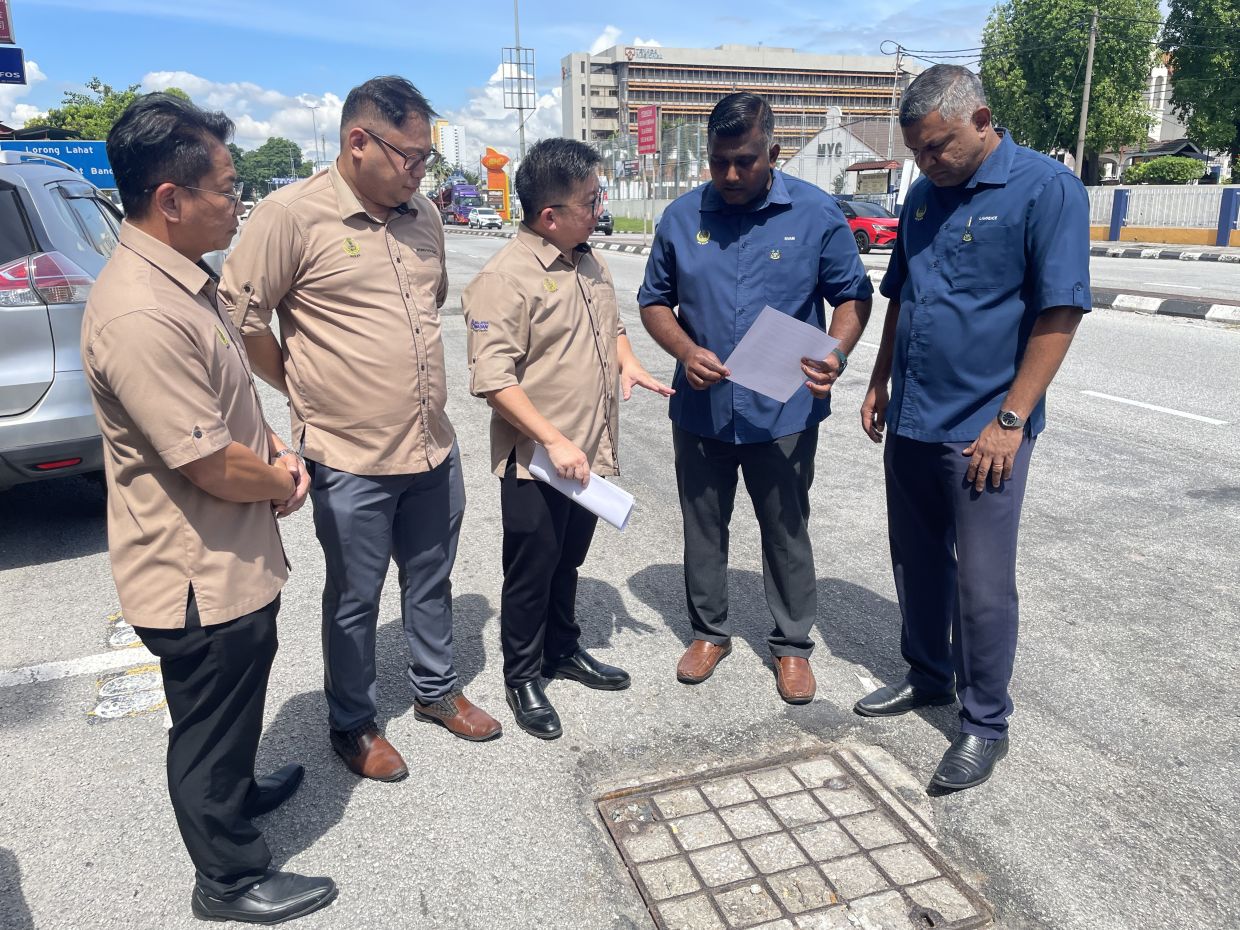
Motorists navigating Ipoh's increasingly problematic Jalan Lahat will soon experience relief as authorities prepare to launch a comprehensive resurfacing initiative worth RM2.6 million, with construction expected to commence in July. The intervention addresses years of deterioration along a crucial urban corridor that connects three state constituencies—Buntong, Tebing Tinggi and Menglembu—and serves as a vital artery for commuters, commercial vehicles and public transport.
The resurfacing scheme will focus on the most heavily damaged portion of the thoroughfare, concentrating efforts on approximately 1.9 kilometres in each direction, bringing the total coverage to nearly 4 kilometres. While Jalan Lahat itself stretches between 10 and 11 kilometres across the city, this targeted approach reflects budgetary constraints and the reality that not all sections require identical remedial treatment. The work will extend from the Falim traffic lights through to the Jalan Leong Boon Swee junction near the Little India commercial district, an area experiencing particularly heavy foot and vehicle traffic.
According to Menglembu assemblyman Chaw Kam Foon, the project represents a significant win for residents and commuters who have endured worsening road conditions for months. The funding mechanism utilises the Malaysian Road Records Information System (Marris), a state-level infrastructure allocation programme designed to address critical maintenance backlogs. Chaw's announcement comes after sustained public pressure, with social media campaigns highlighting dangerous defects that posed genuine safety hazards to road users of all vehicle types.
The deterioration along Jalan Lahat has reached alarming proportions, with approximately 20 vehicles reporting tyre punctures in a single month alone. One particularly hazardous crater on the flyover section gained viral attention online, prompting emergency patching that merely addressed symptoms rather than underlying structural failure. These recurring incidents underscore the inadequacy of temporary repairs in managing infrastructure damage at this scale, especially given the road's heavy exposure to large commercial vehicles, lorries and constant daily traffic flows.
Councillor K. Sivam attributed delays in addressing the problem to multiple factors, revealing that formal requests for comprehensive resurfacing have been pending since 2024. Previous piecemeal patching efforts proved ineffective, succumbing rapidly to weather exposure and the mechanical stress imposed by high-volume traffic. The tendering process is currently underway, with works projected to conclude within approximately three weeks of commencement, suggesting a tight but achievable timeline.
Beyond simple asphalt replacement, the resurfacing initiative will undertake more extensive restoration work that addresses systemic weaknesses in the road infrastructure. This includes levelling protruding manholes, eliminating surface undulations that contribute to vehicle discomfort and safety risks, and repainting worn lane markings that have become barely visible. These ancillary measures recognise that effective road maintenance extends beyond patching deteriorated surfaces to rectifying foundational deficiencies that compromise long-term durability.
Significantly, Sivam attributed a portion of the damage to inadequate reinstatement work following utility excavations, particularly sewerage pipeline installations conducted by various contractors over recent years. These excavation activities and subsequent restoration efforts were apparently executed without meeting approved standards, creating weak points vulnerable to premature failure. This reveals a systemic governance weakness in post-excavation oversight that has compounded the city's infrastructure challenges.
Moving forward, the Corridor Utiliti Darul Ridzuan (KUDR) will assume enhanced monitoring authority over future utility works, enforcing stricter compliance with reinstatement specifications. The regulatory framework now permits the imposition of financial penalties, compounding orders and mandatory repair requirements for contractors who fail to properly restore roads following excavation work. This enforcement mechanism aims to prevent recurrence of the reinstatement problems that contributed to Jalan Lahat's current condition.
For Malaysian road users accustomed to infrastructure maintenance challenges, the Jalan Lahat project exemplifies broader issues affecting urban highways nationwide. The reliance on Marris funding and the gradual accumulation of maintenance backlogs reflect resource constraints faced by local authorities managing ageing road networks. The three-week completion target, should it materialise, would demonstrate efficient project execution, though scepticism regarding timelines remains warranted given Malaysia's mixed track record on infrastructure project delivery.
The resurfacing project carries implications beyond Ipoh, highlighting the necessity for systematic preventive maintenance approaches rather than reactive crisis management. As Southeast Asian cities experience escalating traffic volumes and climate pressures, road infrastructure longevity depends increasingly on integrated planning that coordinates utility works, traffic management and surface maintenance. The KUDR framework represents a step toward such coordination, though success ultimately depends on consistent enforcement and resource allocation.