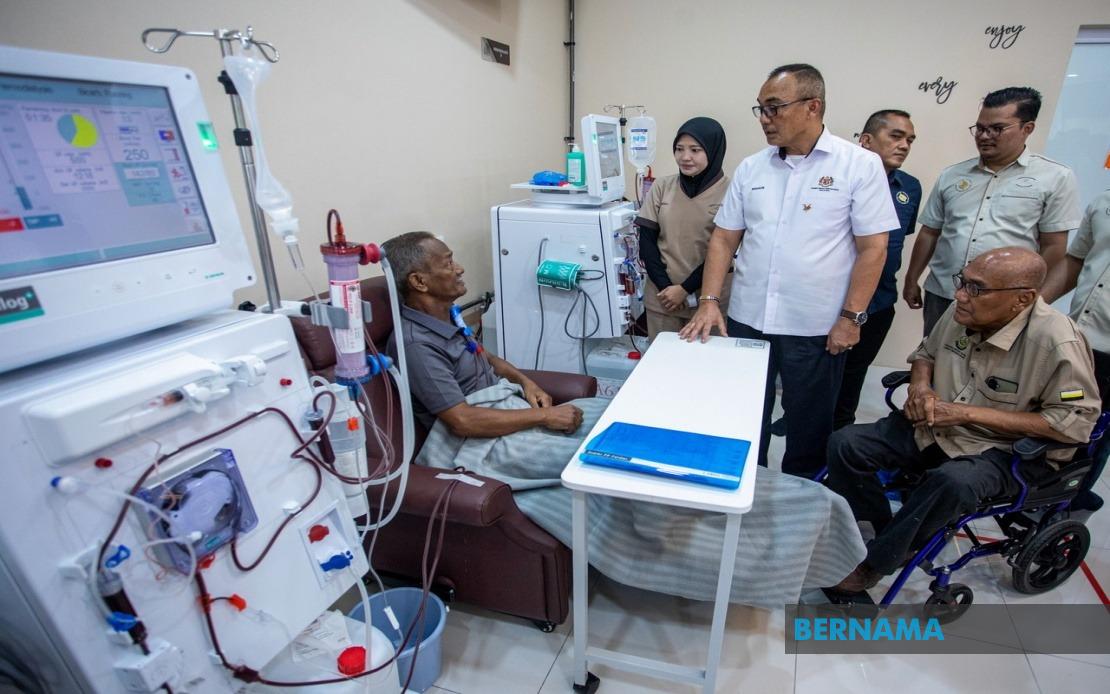
The Malaysian Armed Forces Veterans Foundation is embarking on an ambitious healthcare expansion project, committing over RM18 million towards the construction of nine dialysis treatment centres distributed strategically across the country. The initiative represents a significant investment in medical infrastructure aimed at serving not only serving military veterans but also opening access to these critical healthcare facilities for the broader Malaysian community. The announcement was made at the official opening of the MAF Veterans Foundation Dialysis Centre in Batu Kurau, Perak, underscoring the government's commitment to enhancing welfare provisions for former service personnel.
Geographical distribution of the new facilities reflects a careful assessment of regional healthcare needs and veteran populations. Four centres will be situated in Selangor, positioning them to serve the densest concentration of both veterans and the general population in the country's most populous state. Perak will receive two facilities, while Negeri Sembilan, Johor, and Pahang will each host one centre. This spread across the peninsula ensures that dialysis patients in both urban and more remote areas gain improved access to treatment, reducing the burden of travel for those requiring regular sessions.
Major General Datuk Semaon Marjuki, the director-general of the Malaysian Armed Forces Veterans Affairs Department, characterised the expansion as a strategic response to identified gaps in the healthcare delivery system. His remarks during the inauguration ceremony emphasised that the initiative represents more than merely adding capacity; it constitutes a deliberate repositioning of YVATM's role within Malaysia's broader health ecosystem. By opening these centres to the general public alongside veterans, the foundation bridges a crucial gap in kidney care provision that exists across multiple regions of the country.
The operational backbone of this network will rest with DVET Holding Sdn Bhd, a wholly-owned subsidiary of the MAF Veterans Foundation, ensuring that management remains aligned with the organisation's mission and values. This corporate structure allows the foundation to maintain quality standards while achieving operational efficiency across multiple sites. The subsidiary structure also provides flexibility in staffing, procurement, and clinical governance, essential components for running a network of modern healthcare facilities across geographically dispersed locations.
All nine facilities have been equipped to meet rigorous standards established by Malaysia's Ministry of Health, reflecting the government's commitment to ensuring consistent quality across the network. The centres feature contemporary medical equipment, furnishings designed for patient comfort, and staffing models that prioritise clinical excellence. These specifications are not mere administrative requirements; they directly impact treatment outcomes and the patient experience for individuals requiring regular dialysis sessions, many of whom face significant physical and psychological challenges associated with chronic kidney disease.
Current demand for dialysis services among the veteran population is substantial, with approximately 2,055 military retirees nationwide currently receiving regular treatment at various facilities including those operated by JHEV, the Social Security Organisation, and other approved providers. This existing patient base demonstrates both the prevalence of end-stage renal disease within the veteran demographic and the urgent need for expanded capacity. The expansion programme directly addresses this documented need, potentially consolidating fragmented treatment arrangements into a more coordinated network.
The significance of this initiative extends beyond immediate healthcare provision. Dialysis treatment represents one of the most resource-intensive forms of ongoing medical care, requiring patients to attend facilities multiple times weekly for sessions lasting several hours. For veterans already dealing with service-related disabilities or age-related health complications, the proximity and quality of dialysis services directly influence their quality of life and financial stability. By removing geographic barriers and ensuring modern facilities, the programme acknowledges veterans' contributions and reaffirms the state's obligation to their welfare.
Regional implications of this expansion warrant consideration for Malaysia's broader healthcare planning. The dialysis sector has faced increasing pressure as incidence of chronic kidney disease rises alongside diabetes and hypertension prevalence across the population. By establishing this veteran-anchored network, Malaysia creates infrastructure that can potentially serve as a model for expanded public-private collaboration in managing chronic disease treatment. The centres' opening to the general public ensures that government healthcare planning benefits from documented capacity and clinical protocols.
The project also carries economic dimensions beyond the immediate healthcare sector. Construction contracts associated with establishing nine facilities across different states stimulate economic activity in respective regions. More substantially, the ongoing operation of these centres generates employment for nurses, technicians, administrative staff, and support workers, contributing to livelihoods in communities where the facilities are located. For Malaysia's healthcare workforce, these centres represent opportunities for specialisation in nephrology and dialysis nursing.
Looking forward, this expansion reflects a broader policy recognition that healthcare infrastructure for chronic disease management cannot be left to reactive responses to crisis capacity. The proactive establishment of nine centres suggests planning extending beyond the immediate five-year horizon, positioning Malaysia's dialysis provision more favourably against projected demand increases. As the veteran population continues to age and chronic kidney disease prevalence increases across all demographics, this foundational infrastructure becomes increasingly valuable to the national health system.
The integration of veteran-specific healthcare provision with community-accessible services also represents a policy evolution worth noting. Rather than creating segregated facilities solely for military retirees, the foundation has chosen an inclusive model that recognises both the particular needs of veterans and broader community health requirements. This approach maximises the social return on healthcare investment while acknowledging that veterans comprise a significant but not exclusive segment of the population requiring dialysis treatment.

